Dodge Monaco Bolt Pattern, Tire Size, Rim Size, Center Bore, and Offsets
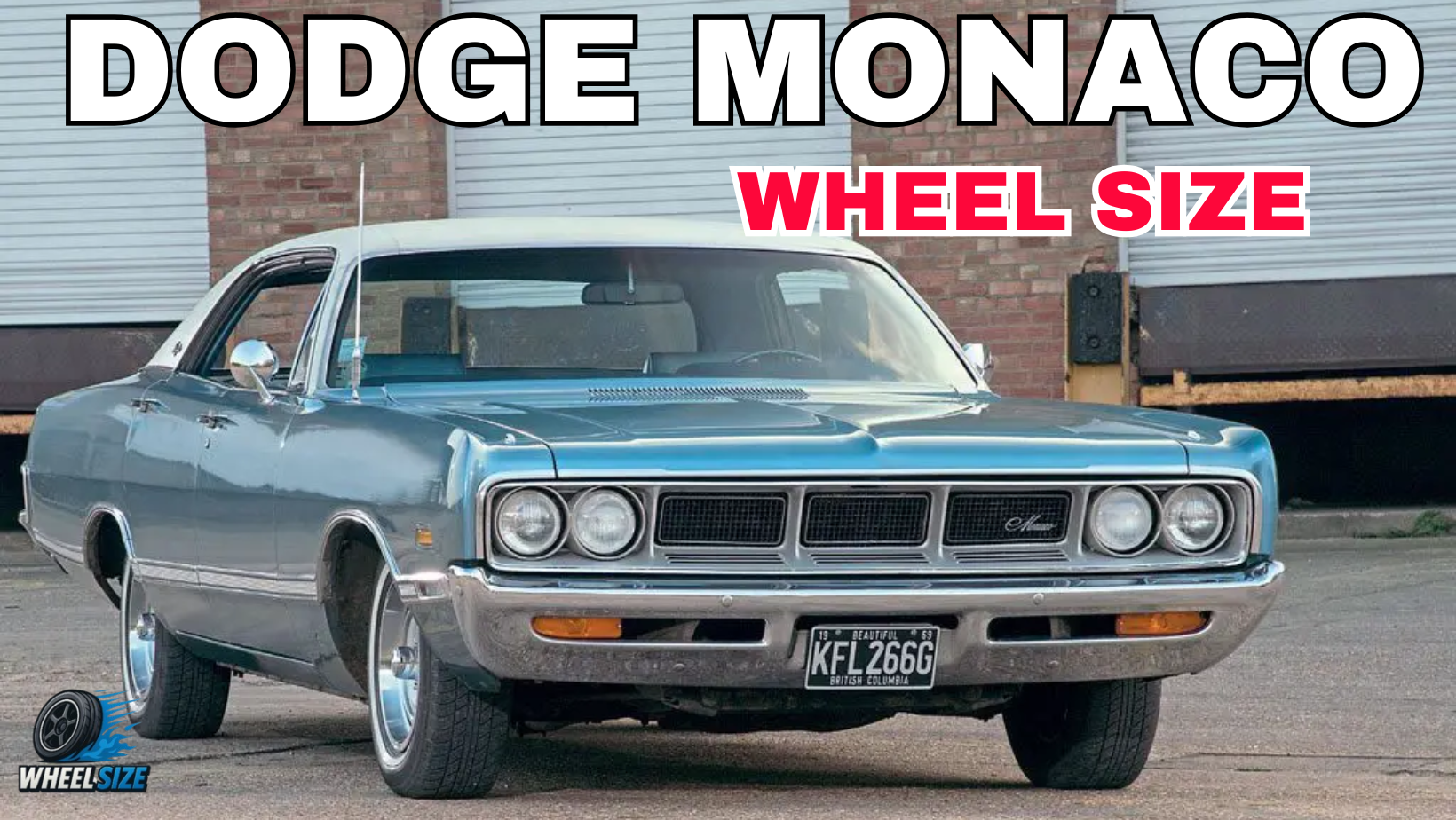
The Dodge Monaco has a long and interesting history. In the 1970s, it was a strong full-size sedan. In the early 1990s, it became a more refined front-wheel-drive vehicle. Each iteration had a different driving sensation and, of course, a varied wheel setup. If you want your Monaco to handle properly, look balanced, and not have any rubbing or vibration problems, you need to make sure the wheels fit right. This article goes over every important element for each model of the Dodge Monaco, from bolt patterns to offset ranges, so you can buy the proper wheels or upgrade without having to guess.
Dodge Monaco III C-Body [1974–1976]
The third-generation Dodge Monaco was a classic 1970s cruiser: it was huge, powerful, and comfortable. It had a rear-wheel-drive layout with powerful V8 engines, just as other Chrysler cars that used the C-body platform. This is also the generation that most people remember from the movie The Blues Brothers. The car’s size and suspension design give it a classic look and feel. That’s why the wheel size and offset need to be carefully adjusted to keep the ride smooth and the posture distinctive.
The basic setup for the 1974–1976 Dodge Monaco has a bolt pattern of 5×114.3 mm, a center bore of 70.3mm, and a thread size of 1/2″-20. The factory wheels were normally 15×6.5 inches with an offset of +23.4 to +27.4mm. Most models had 225/75R15 tires, which made the ride lofty and soft. These specs assist keep the massive rear-drive chassis stable while it supports the weighty frame and broad fenders of the time.
You can safely put on wheels that are 16 or 17 inches in diameter on your 1970s Monaco if you want to give it a more modern look. To keep from rubbing on fenders or suspension parts, keep the offset within the stock range. Many owners like chrome alloys or polished steel wheels that are true to the time and complement the original style. They also like how contemporary tires improve traction on the road.
| Year | Hub Bore (mm) | Bolt Pattern (PCD) | Thread Size | OEM Tire Size | OEM Rim Size | Offset Range (mm) | Tire Pressure (F/R, bar) | Aftermarket Wheel Size |
|---|---|---|---|---|---|---|---|---|
| 1974 | 70.3 | 5×114.3 | 1/2″ – 20 UNF | 205/75R15 | 5.5JJx15 ET25.4 | 23.4 – 27.4 | 1.7 | 15″ – 17″ |
| 1975 | 70.3 | 5×114.3 | 1/2″ – 20 UNF | 215/75R15 | 5.5JJx15 ET25.4 | 23.4 – 27.4 | 1.7 | 15″ – 17″ |
| 1976 | 70.3 | 5×114.3 | 1/2″ – 20 UNF | 215/75R15 | 6JJx15 ET19 | 23.4 – 27.4 | 1.7 | 15″ – 17″ |
Dodge Monaco IV C-Body [1977–1978]
Dodge made the Monaco smaller in 1977 to make it easier to handle and more efficient, but it still had the same C-body shape. The main goal of the design was to make the ride smoother and easier to handle. The 1977–1978 Monaco was smaller, but it still had a strong, rear-wheel-drive basis that worked well with suspension improvements. This generation doesn’t get enough credit; it has the elegance of older cars but is easier to drive in the city. The wheel layout shows that change.
The 1977–1978 Monaco had the same 5×114.3 mm bolt pattern and 70.3mm center bore as the model before it. It also had a thread size of 1/2″-20 with an offset range of +23.4 to +27.4 mm. The standard wheels were 15×6.5 inches, and the tires were 225/70R15, which gave the car a lower profile and a sportier look. This configuration makes the ride smoother and gives the steering and cornering a little more accuracy.
Owners who desire a more modern, sleek design might want to look for 16-inch or lightweight 17-inch alloy wheels. Use high-quality hub-centric rings and stay close to the factory offset to make sure the fit is vibration-free. This generation’s suspension lets the car get a little wider without any problems with clearance, so small performance upgrades work great without making the ride worse.
| Year | Hub Bore (mm) | Bolt Pattern (PCD) | Thread Size | Wheel Torque (Nm) | OEM Tire Size | OEM Rim Size | Offset Range (mm) | Tire Pressure (bar) | Aftermarket Wheel Size Range |
|---|---|---|---|---|---|---|---|---|---|
| 1977 | 70.3 | 5×114.3 (5×4.5) | 1/2″ – 20 UNF | 88 | 205/75R15 | 5.5JJx15 ET25.4 | 23.4 – 27.4 | 1.7 | 15″ – 17″ |
| 1978 | 70.3 | 5×114.3 (5×4.5) | 1/2″ – 20 UNF | 88 | 215/75R15, 225/70R15, 245/70R15 | 5.5JJx15 ET25.4 → 7Jx15 ET6.4 | 6.4 – 25.4 | 1.7 | 15″ – 17″ |
Dodge Monaco B-Body [1990–1992]
Dodge brought back the Monaco moniker in 1990 after a long gap, but this time it was a whole new design. This time, it was a front-wheel-drive sedan based on the Eagle Premier. It had European engineering from Renault. The car was smaller, lighter, and a lot more polished than the ones that came before it. It had the same name, but it didn’t share any parts with the older vehicles. For example, the wheels fit differently, using a modern compact-car layout.
The 1990–1992 Dodge Monaco used a bolt pattern of 5×108 mm, a center bore of 71.6mm, and a thread size of 12×1.5. The stock wheels were 14×5.5 inches with an offset of +33 to +37 mm and were covered in 185/70R14 tires. This design worked with the front-drive system and made the car more fuel efficient while maintaining the steering light and quick. It was a clear move into the present era of Dodge sedans.
Many owners switch to 15- or 16-inch alloy wheels to make their cars look cleaner and more aggressive. To keep the right alignment and clearance when upgrading, remain between the +35 to +45 mm offset range. The front suspension geometry of the Monaco is better with lightweight wheels, thus aluminum rims help with handling without putting more strain on the drivetrain.
| Year | Hub Bore (mm) | Bolt Pattern (PCD) | Thread Size | OEM Tire Size | OEM Rim Size | Offset Range (mm) | Tire Pressure (bar) | Aftermarket Wheel Size Range |
|---|---|---|---|---|---|---|---|---|
| 1990 | 71.6 | 5×10⁸ (5×4.25) | M12 x 1.5 | 195/70SR14 | 6Jx14 ET35 | 33 – 37 | 2.0 | 15″ – 17″ |
| 1991 | 71.6 | 5×10⁸ (5×4.25) | M12 x 1.5 | 195/65HR15 | 6Jx15 ET35 | 33 – 37 | 2.0 | 15″ – 17″ |
| 1992 | 71.6 | 5×10⁸ (5×4.25) | M12 x 1.5 | 205/55HR16 | 6.5Jx16 ET38 | 33 – 37 | 2.0 | 16″ – 18″ |
Tips for Choosing the Right Wheels for Your Dodge Monaco
Before you buy new wheels, make sure that the bolt pattern, offset, and hub bore are all right for your Monaco generation. Only use hub-centric spacers when you have to, and don’t use offsets that are too big because they can change the geometry of the suspension. If you’re fixing up a classic C-body Monaco, using steel or chrome wheels that are proper for the time will retain the look. For the 1990s Monaco, lightweight aluminum alternatives improve both handling and fuel economy without sacrificing ride comfort.
Conclusion
The Dodge Monaco changed a lot over the years, going from hefty, rear-wheel-drive classics in the 1970s to a sleek, front-wheel-drive sedan in the early 1990s. To appear and work their best, each generation needs wheels with different sizes. You need to know your car’s fitment standards to make sure that safety and style go hand in hand, whether you’re restoring an old model or upgrading a current one. Check out the newest alternatives at HulkOffsets.com for help with finding wheels that fit.





Post Comment