Dodge Neon Bolt Pattern, Tire Size, Rim Size, Center Bore, and Offsets
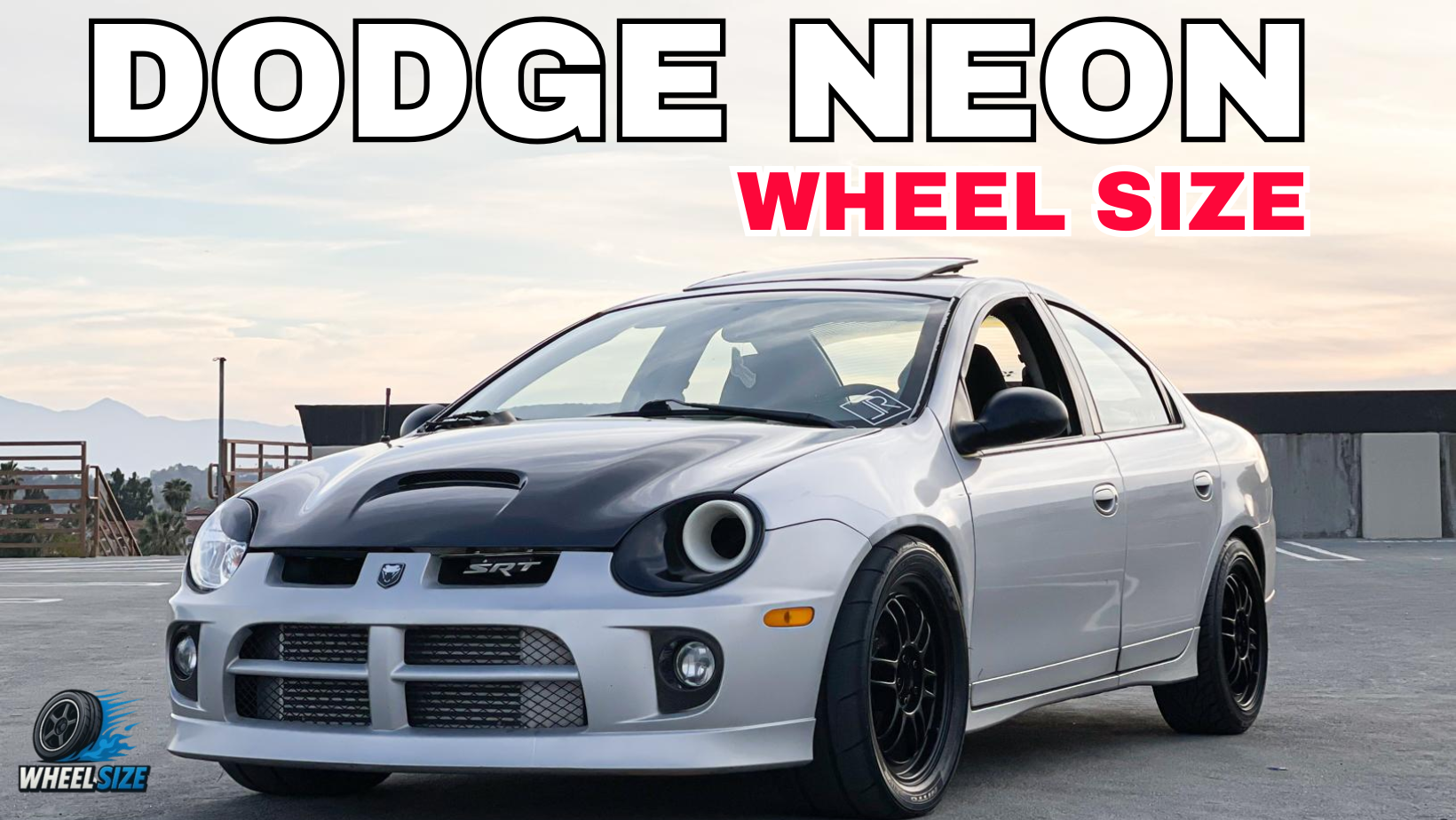
The Dodge Neon has always been a fun and dependable small car, from the racy original models in the 1990s to the more sophisticated Neon III of today. When you want to upgrade or take care of your wheels, it’s very important that they fit properly for safety and performance. This full guide to Dodge Neon wheel fitment includes all three generations: Neon I (1995–1999), Neon II (2000–2005), and Neon III (2016–2020). Knowing your car’s bolt pattern, offset, and hub bore can help you get the right fit and a smooth ride, whether you’re restoring a classic Neon or upgrading to slick aftermarket alloys.
Understanding Wheel Fitment for Dodge Neon
Wheel fitting tells you how well your tires and rims line up with your car’s suspension and fenders. The most important measurements are the wheel width, bolt pattern, hub bore, and offset. These features change a little bit between generations of the Dodge Neon. Getting them right stops rubbing, vibration, and uneven wear on the tires. When you upgrade, you need to make sure that the hub bore is just right or use hub-centric rings to make sure it is centered correctly. Aftermarket wheels let you customize your ride a lot, but it’s important to get the right specs. Always make sure that your new wheels fit the same way as the old ones or are within safe limitations for width and offset to keep the handling and braking performance the same.
Dodge Neon I (1995–1999) Wheel Fitment
The first-generation Dodge Neon used a 4×100 mm bolt pattern, a hub bore of 57.1 mm, and factory wheels that were usually 14×5.5 inches with an offset of about +35 mm. These characteristics made the ride stable and comfortable. The factory wheels were mainly made of steel or a basic alloy and were made to last, not to look good.
The standard tire size for the Neon I was 175/65R14, which gave it a good blend of grip and riding comfort. 195/50R15 fits well on 15-inch wheels without rubbing. Always check the tire load rating to keep your car running well.
Many Neon owners switch to lightweight 15-inch or 16-inch alloy wheels to make their cars look more sporty. Make that the new wheels have the same 4×100 bolt pattern and offset. Some aftermarket brands may need hub-centric rings to fit the 57.1 mm hub bore.
| Year | Hub Bore (mm) | Bolt Pattern (PCD) | Thread Size | OEM Tire Size | OEM Rim Size | Offset Range (mm) | Tire Pressure (F/R, bar) | Aftermarket Wheel Size Range |
|---|---|---|---|---|---|---|---|---|
| 1995 | 57.1 | 5×100 | M12 x 1.5 | 185/65R14 | 5.5Jx14 ET40 | 38 – 42 | 2.2 | 14″ – 16″ |
| 1996 | 57.1 | 5×100 | M12 x 1.5 | 185/65R14 | 6Jx14 ET40 | 38 – 42 | 2.2 | 14″ – 16″ |
| 1997 | 57.1 | 5×100 | M12 x 1.5 | 185/60R15 | 6Jx15 ET40 | 38 – 42 | 2.2 | 14″ – 16″ |
| 1998 | 57.1 | 5×100 | M12 x 1.5 | 195/55R15 | 6Jx15 ET40 | 38 – 42 | 2.2 | 14″ – 16″ |
| 1999 | 57.1 | 5×100 | M12 x 1.5 | 195/50R16 | 6Jx16 ET40 | 38 – 42 | 2.4 | 14″ – 16″ |
Dodge Neon II (2000–2005) Wheel Fitment
The second-generation Neon had a 5×100 mm bolt pattern, a hub bore of 57.1 mm, and factory sizes that ranged from 14×5.5 inches to 16×6 inches, with offsets of +35 to +45 mm. These improvements made the wheels more stable and gave people more choices. OEM wheels were commonly made of steel or aluminum alloys on higher-end models.
Depending on the trim, factory tire sizes were usually 185/65R14, 195/60R15, or 205/50R16. You can use bigger tires, but you need to make sure they don’t rub on the fender when you turn or hit a bump.
17×7-inch alloy wheels with an offset close to +40 mm fit ideal for improvements. Enkei, Konig, and Motegi are some of the most well-known brands that make parts for cars. Keep the same 5×100 bolt pattern and utilize hub rings if you need to for the 57.1 mm bore.
| Year | Hub Bore (mm) | Bolt Pattern (PCD) | Thread Size | OEM Tire Size | OEM Rim Size | Offset Range (mm) | Tire Pressure (F/R, bar) | Aftermarket Wheel Size Range |
|---|---|---|---|---|---|---|---|---|
| 2000 | 57.1 | 5×100 | M12 x 1.5 | 185/65R14 | 5.5Jx14 ET40 | 38 – 42 | 2.2 | 14″ – 16″ |
| 2001 | 57.1 | 5×100 | M12 x 1.5 | 185/60R15 | 6Jx15 ET40 | 38 – 42 | 2.2 | 14″ – 16″ |
| 2002 | 57.1 | 5×100 | M12 x 1.5 | 175/70R14 | 5.5Jx14 ET40 | 38 – 42 | 2.2 | 14″ – 16″ |
| 2003 | 57.1 | 5×100 | M12 x 1.5 | 185/65R14 | 6Jx14 ET40 | 38 – 42 | 2.2 | 14″ – 16″ |
| 2004 | 57.1 | 5×100 | M12 x 1.5 | 195/55R15 | 6Jx15 ET40 | 38 – 42 | 2.2 | 14″ – 16″ |
| 2005 | 57.1 | 5×100 | M12 x 1.5 | 195/50R16 | 6Jx16 ET40 | 38 – 42 | 2.4 | 14″ – 16″ |
| 2005 | 57.1 | 5×100 | M12 x 1.5 | 205/45R16 | 6.5Jx16 ET40 | 38 – 42 | 2.4 | 14″ – 16″ |
Dodge Neon III (2016–2020) Wheel Fitment
The contemporary Neon III is built on the Fiat Tipo chassis and has a bolt pattern of 5×98 mm and a hub bore of 58.1mm. The factory tires are 205/55R16 and the OEM wheels are normally 16×6.5 inches. Higher trims came with 17-inch alloy wheels, which gave the car a more sophisticated and sporty look.
If you’re getting new 17-inch wheels, you can safely use 215/50R17 tires as replacements. To keep comfort and brake efficiency, always make sure that load ratings match OEM specs.
To keep the right stance and steering feel while putting on aftermarket wheels, stay within the +35 to +45 mm offset range. A lot of owners choose multi-spoke 17×7-inch alloys because they look good and work well. Check to see if it fits the 65.1 mm hub bore, or use centering rings if you need to.
| Year | Hub Bore (mm) | Bolt Pattern (PCD) | Thread Size | OEM Tire Size | OEM Rim Size | Offset Range (mm) | Tire Pressure (F/R, bar) | Aftermarket Wheel Size Range |
|---|---|---|---|---|---|---|---|---|
| 2016 | 58.1 | 5×98 | M12 x 1.25 | 205/55R16 91H | 6.5Jx16 ET39 | 37 – 41 | 2.2 | 16″ – 17″ |
| 2017 | 58.1 | 5×98 | M12 x 1.25 | 205/50R17 91V | 6.5Jx17 ET39 | 37 – 41 | 2.2 | 16″ – 17″ |
| 2018 | 58.1 | 5×98 | M12 x 1.25 | 225/45R17 94V | 7Jx17 ET41 | 37 – 41 | 2.4 | 16″ – 17″ |
| 2019 | 58.1 | 5×98 | M12 x 1.25 | 225/45R17 94V | 7Jx17 ET41 | 37 – 41 | 2.4 | 16″ – 17″ |
| 2020 | 58.1 | 5×98 | M12 x 1.25 | 225/45R17 94V | 7Jx17 ET41 | 37 – 41 | 2.4 | 16″ – 17″ |
How to Choose the Right Wheels for Your Dodge Neon
Choosing the correct wheels means finding a balance between how they look, how well they work, and how well they fit. Before looking at aftermarket options, make sure you know your Neon’s bolt pattern and hub bore. To save suspension parts from rubbing or getting stressed, pick wheel widths that are within factory specifications. Wider tires provide you better traction, and lightweight alloys make your car easier to handle and use less gas. If you’re not sure, check out reliable sites like wheel-size.co.uk for confirmed fitment information for your Neon model year.
Common Fitment Issues and Solutions
If the fit isn’t right, it can produce vibrations, uneven wear, or problems with steering. Use hub-centric rings to make sure that your wheels fit correctly on the hub. Use spacers or the right offset to move the wheels in or out if they are too far out or in. To keep them from warping, always torque lug nuts to the factory specs. Before you buy aftermarket wheels, make sure you check your bolt pattern again. It could be 4×100, 5×100, or 5×110, depending on the generation.
Conclusion
The wheels on each generation of Dodge Neon are different. For example, the early vehicles had a 4×100 bolt pattern, while the latest Neon III has a 5×110 pattern. To make sure your improvements are safe and stylish, you need to know your car’s hub bore, offset, and wheel size. OEM rims or aftermarket alloys, the right fit will always make your car easier to handle and give you greater confidence behind the wheel. For the greatest look and performance of your Neon, use this guide to get the specs just right.

Post Comment