Dodge Spirit Bolt Pattern, Tire Size, Rim Size, Center Bore, and Offsets
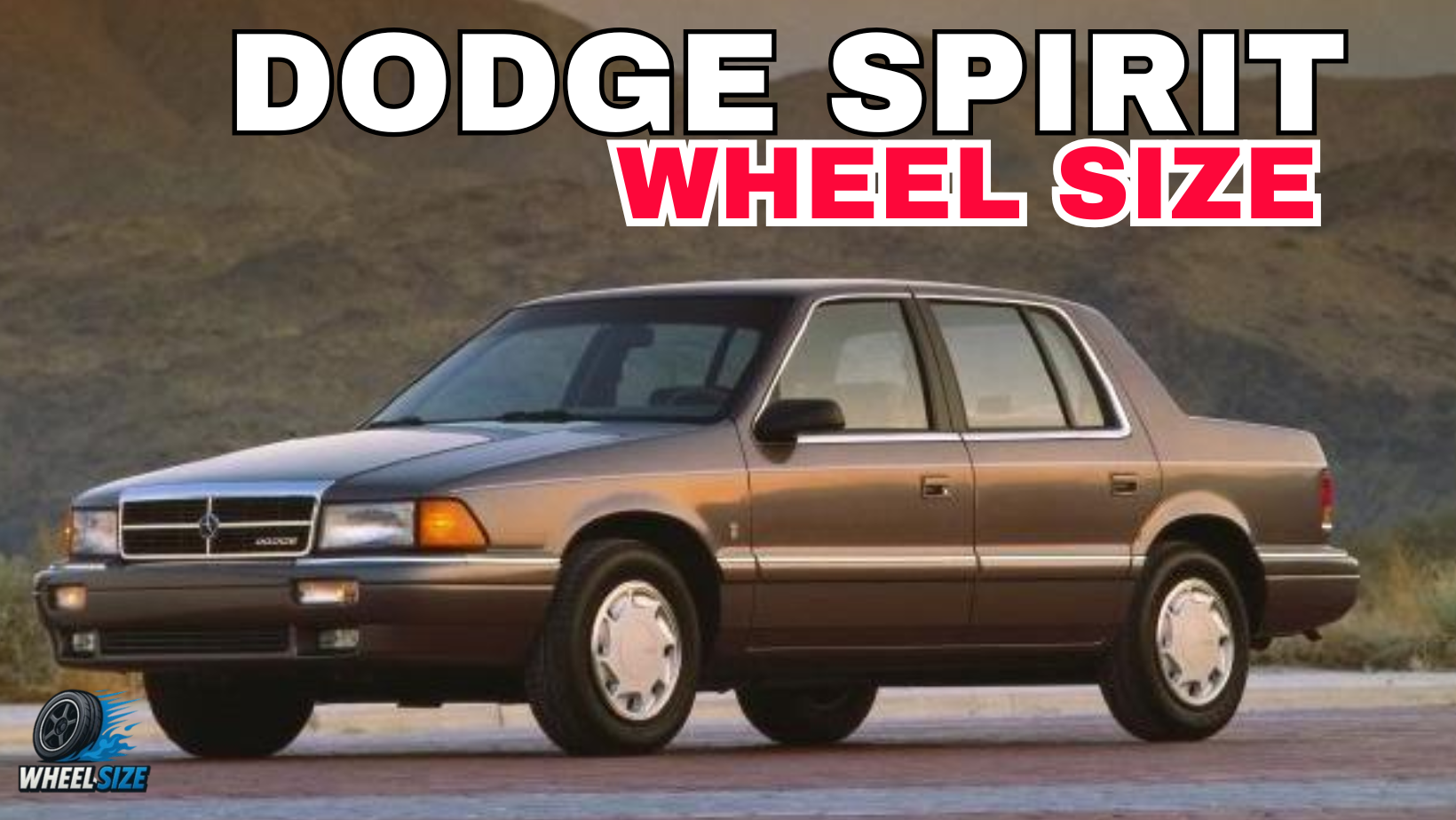
The Dodge Spirit was one of Chrysler’s most practical and reliable sedans from the late ‘80s to mid-‘90s. Built on the AA-body platform, it offered a perfect mix of comfort, performance, and affordability. Whether you drive the base model, the sporty ES, or the high-performance R/T, getting the right wheel fitment is essential. Proper fitment not only improves handling and safety but also enhances the overall stance of your car. This guide breaks down everything from bolt patterns and offsets to tire sizes and wheel upgrade tips—making it easier for you to choose the perfect setup for your 1988–1995 Dodge Spirit.
Wheel Fitment Summary (1988–1995)
The Dodge Spirit maintained a consistent and practical wheel setup throughout its production years. Most models came with a 5×100 bolt pattern, a 57.1 mm center bore, and an offset range of +35 to +40. Depending on the trim, factory wheels ranged from 14 to 16 inches, with tire sizes between 185/70R14 and 205/55R16. These dimensions gave the Spirit a balanced ride—comfortable for everyday use but stable enough for highway cruising. The following table helps you quickly identify factory specs for your specific model year and trim, so you can match or safely upgrade your wheels without clearance or rubbing issues.
Dodge Spirit Bolt Pattern Explained
The bolt pattern tells you how your wheels attach to the hub. In the case of the Dodge Spirit, the 5×100 pattern means five lug nuts spaced 100 millimeters apart. This setup remained unchanged through all trims and years, simplifying wheel replacements and upgrades. Many other Dodge and Chrysler vehicles from the same era share this pattern, making it easier to find compatible wheels. Always double-check the lug seating type—most Spirits use conical-seat nuts, which help maintain secure contact between the wheel and hub.
The wheel offset (ET) defines how far the wheel sits inside or outside the fender. For the Dodge Spirit, an offset between +35 and +40 offers the perfect alignment for stock suspension. The 57.1 mm center bore ensures the wheel sits snugly on the hub without vibrations. If you’re fitting aftermarket wheels with a larger bore, you can use hub-centric rings for a precise fit. Keeping the offset close to factory specs maintains steering stability and prevents rubbing during full turns or suspension travel.
If your offset is too low, the wheels stick out and may rub the fenders. Too high, and they can interfere with suspension components. Staying within the safe range ensures balanced handling, even tire wear, and proper alignment. You can check hub fitment by removing a wheel and measuring the bore size. If the wheel slides on without play, it’s hub-centric. For aftermarket wheels with larger bores, install rings to avoid vibration at higher speeds.
| Year | Hub Bore (mm) | Bolt Pattern | Thread Size | Main OEM Tire | OEM Rim | Offset Range (mm) | Tire Pressure (bar) | Recommended Wheel Range |
|---|---|---|---|---|---|---|---|---|
| 1988 | 57.1 | 5×100 | M12x1.5 | 185/70R14 | 5.5Jx14 ET40 | 38–42 | 2.0 | 14″–17″ |
| 1989 | 57.1 | 5×100 | M12x1.5 | 185/70R14 | 5.5Jx14 ET40 | 38–42 | 2.0 | 14″–17″ |
| 1990 | 57.1 | 5×100 | M12x1.5 | 185/70R14 | 5.5Jx14 ET40 | 38–42 | 2.0 | 14″–17″ |
| 1991 | 57.1 | 5×100 | M12x1.5 | 185/70R14 | 5.5Jx14 ET40 | 38–42 | 2.0 | 14″–17″ |
| 1992 | 57.1 | 5×100 | M12x1.5 | 185/70R14 | 5.5Jx14 ET40 | 38–42 | 2.0 | 14″–17″ |
| 1993 | 57.1 | 5×100 | M12x1.5 | 185/70R14 | 5.5Jx14 ET40 | 38–42 | 2.0 | 14″–17″ |
| 1994 | 57.1 | 5×100 | M12x1.5 | 185/70R14 | 5.5Jx14 ET40 | 38–42 | 2.0 | 14″–17″ |
| 1995 | 57.1 | 5×100 | M12x1.5 | 185/70R14 | 5.5Jx14 ET40 | 38–42 | 2.0 | 14″–17″ |
OEM Wheel & Tire Specifications by Year
From 1988 to 1995, Dodge offered several wheel and tire options for the Spirit. Early models featured 14-inch steel wheels, perfect for daily commuting. By 1991, Dodge introduced 15-inch alloys on the ES and Turbo trims, improving grip and style. The final R/T version used 16-inch alloys with low-profile tires for sportier handling. Regardless of trim, all factory setups prioritized smooth ride quality and dependable traction in various driving conditions. Below are year-specific highlights of OEM configurations.
1988–1990 Dodge Spirit
The early models came with 14-inch wheels paired with 185/70R14 tires. This setup favored comfort and fuel efficiency, ideal for family use and city driving. The standard steel rims provided durability and required minimal maintenance.
1991–1993 Dodge Spirit
Mid-generation updates brought larger 15-inch wheels for the ES and Turbo trims. With 195/60R15 tires, these versions offered sharper handling and a more responsive driving feel without sacrificing comfort.
1994–1995 Dodge Spirit
The final production years saw the introduction of the R/T, featuring 16-inch alloy wheels with 205/55R16 tires. This upgrade enhanced cornering grip and gave the Spirit a more aggressive appearance on the road.
Recommended Aftermarket Wheel Sizes
If you’re planning to upgrade, the Dodge Spirit can safely handle 15 to 17-inch wheels. A 16-inch setup often strikes the best balance between looks and ride comfort. Choose widths between 6 and 7.5 inches, and keep offsets close to +35 to +42 to avoid clearance issues. For a sportier look, 17-inch alloys with 215/45R17 tires work beautifully, improving grip without sacrificing much comfort. Always test-fit before buying, as brake caliper designs can vary across trims.
Fitment Tips & Common Upgrades
Before swapping wheels, check suspension clearance, brake caliper spacing, and fender room. Stick to factory offset ranges for safe handling and even tire wear. Torque your lug nuts to 95–100 ft-lbs for secure mounting. Many Spirit owners upgrade to lightweight alloy wheels to improve responsiveness and fuel economy. Others prefer wider tires for better traction. A simple fitment check ensures your new setup enhances both performance and style without compromising ride comfort.
Cross-Compatibility
The Dodge Spirit shares its AA-body platform with models like the Chrysler LeBaron, Dodge Daytona, and Plymouth Acclaim. These cars use similar wheel specifications—especially the 5×100 bolt pattern and 57.1 mm hub bore. This means you can often use wheels from these vehicles with minor adjustments. However, always confirm offset and brake clearance, as some trims may have slightly different suspension geometries or wheel widths.
FAQ’s
What is the Dodge Spirit bolt pattern?
All Dodge Spirit models from 1988 to 1995 use a 5×100 mm bolt pattern, which means five lug holes spaced evenly around a 100 mm circle.
What size wheels fit the Dodge Spirit R/T?
The R/T model originally came with 16×6.5-inch wheels and 205/55R16 tires. You can upgrade to 17-inch rims if you maintain proper offset and tire diameter.
Can I fit 17” wheels on a 1992 Dodge Spirit?
Yes, 17-inch wheels fit well if you choose an offset around +38 and pair them with 215/45R17 tires. This combination keeps your speedometer accurate and prevents rubbing.
What’s the torque spec for Dodge Spirit lug nuts?
Tighten lug nuts to 95–100 ft-lbs using a cross pattern. Recheck torque after 50–100 miles to ensure the wheels are secure.
Conclusion
Choosing the right wheel setup for your Dodge Spirit (1988–1995) ensures safer driving, better handling, and a cleaner look. Whether you’re restoring an old base model or enhancing your R/T, sticking close to factory specs will give you the best balance of comfort and performance. Always double-check offset, bolt pattern, and hub bore before purchasing. With the right fitment, your Dodge Spirit will keep turning heads while delivering the solid, dependable ride it’s known for.





Post Comment