BMW 3 Series Bolt Pattern, Tire Size, Rim Size, Center Bore and Offsets
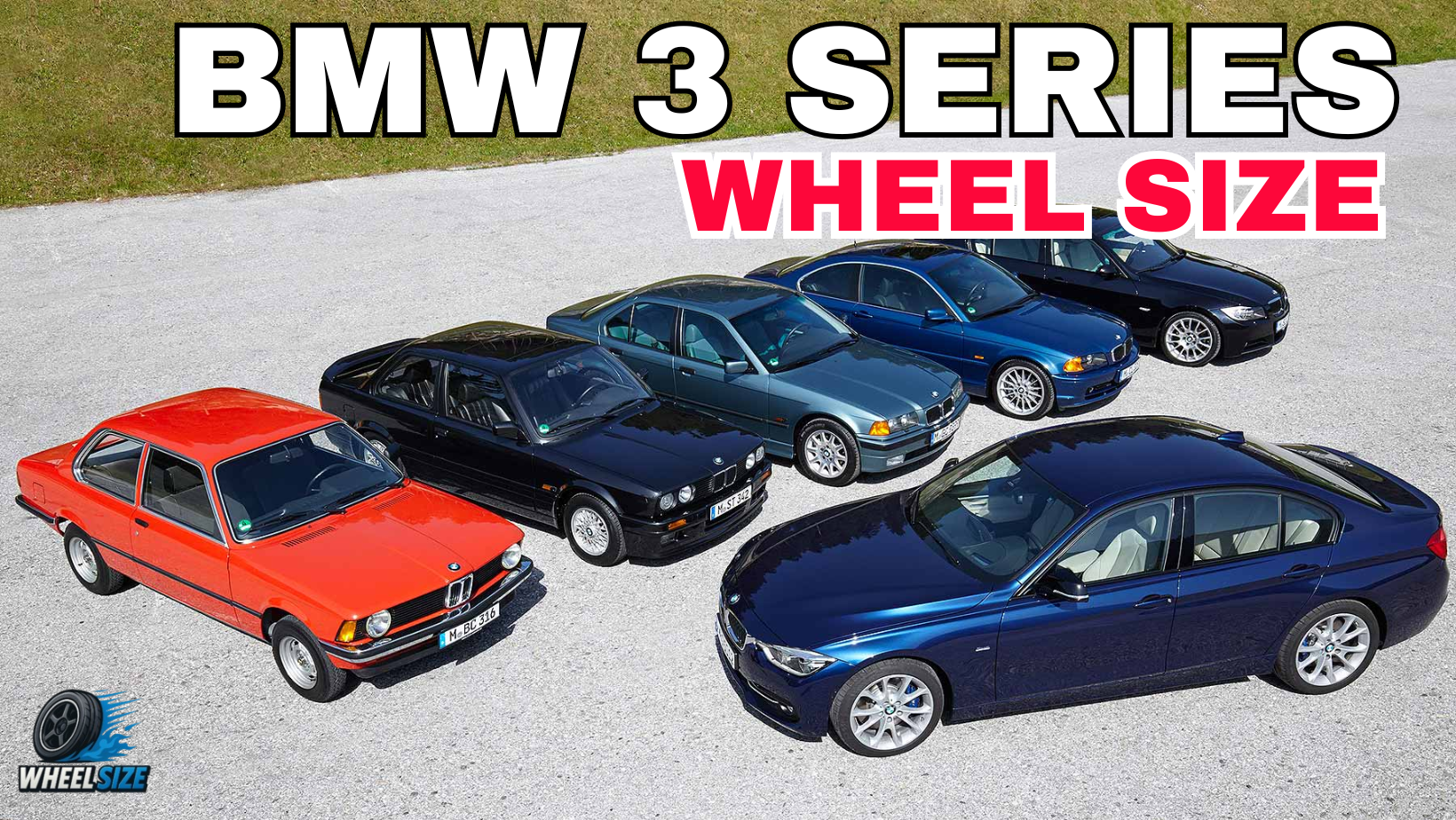
When you want to upgrade or replace the wheels on your BMW 3 Series, it’s very important to acquire the appropriate fitment. It’s important to know the wheel specs for each model of the 3 Series so that you don’t have problems with rubbing, bad handling, or broken suspension parts. This article clearly explains the wheel fitting specs for every generation, including bolt pattern, offset, hub bore, and tire sizes. It will help you decide if you want a factory-like ride or a more aggressive posture. Let’s have a look at what works best for your BMW 3 Series, from the old E21 to the new G20.
Understanding Wheel Fitment
The offset, bolt pattern, hub bore, and size of a wheel all affect how well it fits on your car. Getting these measurements properly makes ensuring that the car handles well and doesn’t scrape against the fenders or brakes. The offset and the bolt pattern both affect how the wheel fits on the hub. The offset changes how much the wheel sticks out or in. Hub bore makes sure that everything is perfectly centered, and the size of the tires affects how well they work and how comfortable they are. BMW is notorious for preserving the same bolt patterns from one generation to the next, but slight changes in offset and hub size can make a major difference in how well things fit.
First Generation: E21 (1975–1983)
The E21 was the first car in the BMW 3 Series series. It had a lightweight, rear-wheel-drive layout that fans still enjoy. The criteria for fitting wheels are a bolt pattern of 4×100, a hub bore of 57.1 mm, and an offset of ET23 to ET27. The wheels that came with the car were 13×5.5J, and the most common tire size was 185/70R13. You can safely update to 15-inch wheels if you want to give your car a more current look. Because the E21 has a narrow body, lower offsets and narrower widths work best to keep steering light and accurate.
| Year / Model | Hub Bore | Bolt Pattern | Thread Size | OEM Tire Sizes | OEM Rim Sizes | Offset Range | Tire Pressure | OEM Wheel Size | Aftermarket Wheel Size |
| 1975 – BMW E21 315 | 57.1 | 4×100 | M12 x 1.5 | 185/70R13 86H | 5.5Jx13 ET25 | 23 – 27 | 1.9 | 13″ | 14” – 15” |
| 1976 – BMW E21 315 | 57.1 | 4×100 | M12 x 1.5 | 185/70R13 86H | 5.5Jx13 ET25 | 23 – 27 | 1.9 | 13″ | 14” – 15” |
| 1977 – BMW E21 315 | 57.1 | 4×100 | M12 x 1.5 | 185/70R13 86H | 5.5Jx13 ET25 | 23 – 27 | 1.9 | 13″ | 14” – 15” |
| 1978 – BMW E21 315 | 57.1 | 4×100 | M12 x 1.5 | 185/70R13 86H | 5.5Jx13 ET25 | 23 – 27 | 1.9 | 13″ | 14” – 15” |
| 1979 – BMW E21 315 | 57.1 | 4×100 | M12 x 1.5 | 185/70R13 86H | 5.5Jx13 ET25 | 23 – 27 | 1.9 | 13″ | 14” – 15” |
| 1980 – BMW E21 315 | 57.1 | 4×100 | M12 x 1.5 | 185/70R13 86H | 5.5Jx13 ET25 | 23 – 27 | 1.9 | 13″ | 14” – 15” |
| 1981 – BMW E21 315 | 57.1 | 4×100 | M12 x 1.5 | 185/70R13 86H | 5.5Jx13 ET25 | 23 – 27 | 1.9 | 13″ | 14” – 15” |
| 1982 – BMW E21 315 | 57.1 | 4×100 | M12 x 1.5 | 185/70R13 86H | 5.5Jx13 ET25 | 23 – 27 | 1.9 | 13″ | 14” – 15” |
| 1983 – BMW E21 315 | 57.1 | 4×100 | M12 x 1.5 | 185/70R13 86H | 5.5Jx13 ET25 | 23 – 27 | 1.9 | 13″ | 14” – 15” |
Second Generation: E30 (1982–1994)
People love the E30 for its classic look and perfect balance. The fitment information is as follows: the bolt pattern is 4×100, the hub bore is 57.1 mm, and the offset is ET33–ET37. This is comparable to the E21 but more adaptable. The stock wheels were 14x6J with 195/65R14 tires, however you can easily update to 15x7J or 16x7J wheels. Wider setups, such 16×8 ET25, give a sportier look while still being flat. The E30’s chassis can handle little changes to how things fit, which makes it one of the easiest models to modify.
| Year / Model | Hub Bore | Bolt Pattern | Thread Size | OEM Tire Sizes | OEM Rim Sizes | OEM Wheel Size | Offset Range | Tire Pressure | Aftermarket Wheel Size |
| 1982 – BMW E30 318i | 57.1 | 4×100 | M12 x 1.5 | 195/60R14 86H | 5.5Jx14 ET35 | 14” | 33 – 37 | 2.1 / 2.2 | 15” – 17” |
| 1983 – BMW E30 318i | 57.1 | 4×100 | M12 x 1.5 | 195/60R14 86H | 5.5Jx14 ET35 | 14” | 33 – 37 | 2.1 / 2.2 | 15” – 17” |
| 1984 – BMW E30 318i | 57.1 | 4×100 | M12 x 1.5 | 195/60R14 86H | 5.5Jx14 ET35 | 14” | 33 – 37 | 2.1 / 2.2 | 15” – 17” |
| 1985 – BMW E30 318i | 57.1 | 4×100 | M12 x 1.5 | 195/60R14 86H | 5.5Jx14 ET35 | 14” | 33 – 37 | 2.1 / 2.2 | 15” – 17” |
| 1986 – BMW E30 318i | 57.1 | 4×100 | M12 x 1.5 | 195/60R14 86H | 5.5Jx14 ET35 | 14” | 33 – 37 | 2.1 / 2.2 | 15” – 17” |
| 1987 – BMW E30 318i | 57.1 | 4×100 | M12 x 1.5 | 195/60R14 86H | 5.5Jx14 ET35 | 14” | 33 – 37 | 2.1 / 2.2 | 15” – 17” |
| 1988 – BMW E30 318i | 57.1 | 4×100 | M12 x 1.5 | 195/60R14 86H | 5.5Jx14 ET35 | 14” | 33 – 37 | 2.1 / 2.2 | 15” – 17” |
| 1989 – BMW E30 318i | 57.1 | 4×100 | M12 x 1.5 | 195/60R14 86H | 5.5Jx14 ET35 | 14” | 33 – 37 | 2.1 / 2.2 | 15” – 17” |
| 1990 – BMW E30 318i | 57.1 | 4×100 | M12 x 1.5 | 195/60R14 86H | 5.5Jx14 ET35 | 14” | 33 – 37 | 2.1 / 2.2 | 15” – 17” |
| 1991 – BMW E30 318i | 57.1 | 4×100 | M12 x 1.5 | 195/60R14 86H | 5.5Jx14 ET35 | 14” | 33 – 37 | 2.1 / 2.2 | 15” – 17” |
| 1992 – BMW E30 318i | 57.1 | 4×100 | M12 x 1.5 | 195/60R14 86H | 5.5Jx14 ET35 | 14” | 33 – 37 | 2.1 / 2.2 | 15” – 17” |
| 1993 – BMW E30 318i | 57.1 | 4×100 | M12 x 1.5 | 195/60R14 86H | 5.5Jx14 ET35 | 14” | 33 – 37 | 2.1 / 2.2 | 15” – 17” |
| 1994 – BMW E30 318i | 57.1 | 4×100 | M12 x 1.5 | 195/60R14 86H | 5.5Jx14 ET35 | 14” | 33 – 37 | 2.1 / 2.2 | 15” – 17” |
Third Generation: E36 (1990–2000)
The E36 was a big step up in both design and performance. The fitment parameters are a bolt pattern of 5×120, a hub bore of 72.6 mm, and an offset range of ET35 to ET47. The factory wheels were either 15x7J or 16x7J, and the tires were either 205/60R15 or 225/50R16. A lot of owners switch to 17x8J ET35 for a more aggressive look. The suspension geometry of the E36 can handle a lot of different aftermarket wheels, but sticking within OEM offset helps keep the steering feel and fender clearance.
| Year / Model | Hub Bore | Bolt Pattern | Thread Size | OEM Tire Sizes | OEM Rim Sizes | OEM Wheel Size | Offset Range | Tire Pressure | Aftermarket Wheel Size |
| 1992 – BMW E36 318i | 72.6 | 5×120 | M12 x 1.5 | 185/65R15 87H | 6Jx15 ET42 | 15” | 40 – 44 | 2.0 / 2.2 | 15” – 18” |
| 1993 – BMW E36 318i | 72.6 | 5×120 | M12 x 1.5 | 185/65R15 87H | 6Jx15 ET42 | 15” | 40 – 44 | 2.0 / 2.2 | 15” – 18” |
| 1994 – BMW E36 318i | 72.6 | 5×120 | M12 x 1.5 | 185/65R15 87H | 6Jx15 ET42 | 15” | 40 – 44 | 2.0 / 2.2 | 15” – 18” |
| 1995 – BMW E36 318i | 72.6 | 5×120 | M12 x 1.5 | 185/65R15 87H | 6Jx15 ET42 | 15” | 40 – 44 | 2.0 / 2.2 | 15” – 18” |
| 1996 – BMW E36 318i | 72.6 | 5×120 | M12 x 1.5 | 185/65R15 87H | 6Jx15 ET42 | 15” | 40 – 44 | 2.0 / 2.2 | 15” – 18” |
| 1997 – BMW E36 318i | 72.6 | 5×120 | M12 x 1.5 | 185/65R15 87H | 6Jx15 ET42 | 15” | 40 – 44 | 2.0 / 2.2 | 15” – 18” |
| 1998 – BMW E36 318i | 72.6 | 5×120 | M12 x 1.5 | 185/65R15 87H | 6Jx15 ET42 | 15” | 40 – 44 | 2.0 / 2.2 | 15” – 18” |
| 1999 – BMW E36 318i | 72.6 | 5×120 | M12 x 1.5 | 185/65R15 87H | 6Jx15 ET42 | 15” | 40 – 44 | 2.0 / 2.2 | 15” – 18” |
| 2000 – BMW E36 318i | 72.6 | 5×120 | M12 x 1.5 | 185/65R15 87H | 6Jx15 ET42 | 15” | 40 – 44 | 2.0 / 2.2 | 15” – 18” |
Fourth Generation: E46 (1997–2006)
The E46 improved the driving experience in the 3 Series by adding luxury to the mix. The bolt pattern is 5×120, the hub bore is 72.6 mm, and the offset range is ET44 to ET48. The factory wheels were either 16x7J or 17x8J and had 205/55R16 or 225/45R17 tires on them. If you use the right tires, you can install 18-inch wheels (ET35) without them rubbing. The arches on the E46 are a little tighter, so offsets closer to ET40 make sure the fit is tidy while keeping the ride quality and suspension geometry.
| Year / Model | Hub Bore | Bolt Pattern | Thread Size | OEM Tire Sizes | OEM Rim Sizes | OEM Wheel Size | Offset Range | Tire Pressure | Aftermarket Wheel Size |
| 1998 – BMW E46 | 72.6 mm | 5×120 | M12 x 1.5 | 205/55R16 89H | 7Jx16 ET46 | 16” | 44–48 mm | 2.0 / 2.3 | 16”–19” |
| 1999 – BMW E46 | 72.6 mm | 5×120 | M12 x 1.5 | 205/55R16 89H | 7Jx16 ET46 | 16” | 44–48 mm | 2.0 / 2.3 | 16”–19” |
| 2000 – BMW E46 | 72.6 mm | 5×120 | M12 x 1.5 | 205/55R16 89H | 7Jx16 ET46 | 16” | 44–48 mm | 2.0 / 2.3 | 16”–19” |
| 2001 – BMW E46 | 72.6 mm | 5×120 | M12 x 1.5 | 205/55R16 89H | 7Jx16 ET46 | 16” | 44–48 mm | 2.0 / 2.3 | 16”–19” |
| 2002 – BMW E46 | 72.6 mm | 5×120 | M12 x 1.5 | 205/55R16 89H | 7Jx16 ET46 | 16” | 44–48 mm | 2.0 / 2.3 | 16”–19” |
| 2003 – BMW E46 | 72.6 mm | 5×120 | M12 x 1.5 | 205/55R16 89H | 7Jx16 ET46 | 16” | 44–48 mm | 2.0 / 2.3 | 16”–19” |
| 2004 – BMW E46 | 72.6 mm | 5×120 | M12 x 1.5 | 205/55R16 89H | 7Jx16 ET46 | 16” | 44–48 mm | 2.0 / 2.3 | 16”–19” |
| 2005 – BMW E46 | 72.6 mm | 5×120 | M12 x 1.5 | 205/55R16 89H | 7Jx16 ET46 | 16” | 44–48 mm | 2.0 / 2.3 | 16”–19” |
| 2006 – BMW E46 | 72.6 mm | 5×120 | M12 x 1.5 | 205/55R16 89H | 7Jx16 ET46 | 16” | 44–48 mm | 2.0 / 2.3 | 16”–19” |
Fifth Generation: E90/E91/E92/E93 (2004–2013)
The chassis got stronger and the stance got wider, which made the wheels fit a little differently. The bolt pattern is 5×120, the hub bore is 72.6 mm, and the offset range is ET32 to ET36. The factory wheels were 17x8J with 225/45R17 tires. The sport models had 18x8J wheels in the front and 18×8.5J wheels in the back. For a sleek, athletic style, you can use 19-inch wheels (ET35 front, ET37 rear). The E90 series does a great job with staggered setups, giving the rear more grip without making the steering less responsive.
| Year / Model | Hub Bore | Bolt Pattern | Thread Size | OEM Tire Sizes | OEM Rim Sizes | OEM Wheel Size | Offset Range | Tire Pressure (front/rear) | Aftermarket Wheel Size |
| 2005 – BMW E90/E91/E92/E93 (215 hp) | 72.6 mm | 5×120 | M12 x 1.5 | 205/55R16 91H | 7Jx16 ET34 | 16” | 32 – 36 mm | 2.0 / 2.4 bar | 16” – 19” |
| 2006 – BMW E90/E91/E92/E93 (215 hp) | 72.6 mm | 5×120 | M12 x 1.5 | 205/55R16 91H | 7Jx16 ET34 | 16” | 32 – 36 mm | 2.0 / 2.4 bar | 16” – 19” |
| 2007 – BMW E90/E91/E92/E93 (215 hp) | 72.6 mm | 5×120 | M12 x 1.5 | 205/55R16 91H | 7Jx16 ET34 | 16” | 32 – 36 mm | 2.0 / 2.4 bar | 16” – 19” |
| 2008 – BMW E90/E91/E92/E93 (215 hp) | 72.6 mm | 5×120 | M12 x 1.5 | 205/55R16 91H | 7Jx16 ET34 | 16” | 32 – 36 mm | 2.0 / 2.4 bar | 16” – 19” |
| 2009 – BMW E90/E91/E92/E93 (215 hp) | 72.6 mm | 5×120 | M12 x 1.5 | 205/55R16 91H | 7Jx16 ET34 | 16” | 32 – 36 mm | 2.0 / 2.4 bar | 16” – 19” |
| 2010 – BMW E90/E91/E92/E93 (215 hp) | 72.6 mm | 5×120 | M12 x 1.5 | 205/55R16 91H | 7Jx16 ET34 | 16” | 32 – 36 mm | 2.0 / 2.4 bar | 16” – 19” |
| 2011 – BMW E90/E91/E92/E93 | 72.6 mm | 5×120 | M12 x 1.5 | M12 x 1.5 | 7Jx16 ET34 | 16” | 29-33mm | 2.0 / 2.4 bar | 16” – 19” |
| 2012 – BMW E90/E91/E92/E93 | 72.6 mm | 5×120 | M12 x 1.5 | M12 x 1.5 | 7Jx16 ET34 | 16” | 29-33mm | 2.0 / 2.4 bar | 16” – 19” |
| 2013 – BMW E90/E91/E92/E93 | 72.6 mm | 5×120 | M12 x 1.5 | M12 x 1.5 | 7Jx16 ET34 | 16” | 29-33mm | 2.0 / 2.4 bar | 16” – 19” |
Sixth Generation: F30/F31/F34/F35 (2011–2019)
The F30 generation made the 3 Series more modern by giving it sharper looks and turbocharged engine. Details about fitment: The bolt pattern is 5×120, the hub bore is 72.6 mm, and the offset range is ET35 to ET39. The stock wheels were 17×7.5J or 18x8J and had tires that were 225/50R17 or 225/45R18. You can easily install 235/40R19 tires on 19×8.5J ET35 wheels. This generation strikes a good mix between style and comfort. However, if the offset is too low, the fenders may rub, especially if the suspension is lowered.
| Year / Model | Hub Bore | Bolt Pattern | Thread Size | OEM Tire Sizes | OEM Rim Sizes | OEM Wheel Size | Offset Range | Tire Pressure (front/rear) | Aftermarket Wheel Size |
| 2011 – BMW F30/F31/F35 | 72.6 mm | 5×120 | M14 x 1.25 | 225/50R17 94V | 7.5Jx17 ET37 | 17” | 35 – 39 mm | 2.2 / 2.5 bar | 17” – 20” |
| 2012 – BMW F30/F31/F35 | 72.6 mm | 5×120 | M14 x 1.25 | 225/50R17 94V | 7.5Jx17 ET37 | 17” | 35 – 39 mm | 2.2 / 2.5 bar | 17” – 20” |
| 2013 – BMW F30/F31/F35 | 72.6 mm | 5×120 | M14 x 1.25 | 225/50R17 94V | 7.5Jx17 ET37 | 17” | 35 – 39 mm | 2.2 / 2.5 bar | 17” – 20” |
| 2014 – BMW F30/F31/F35 | 72.6 mm | 5×120 | M14 x 1.25 | 225/50R17 94V | 7.5Jx17 ET37 | 17” | 35 – 39 mm | 2.2 / 2.5 bar | 17” – 20” |
| 2015 – BMW F30/F31/F35 | 72.6 mm | 5×120 | M14 x 1.25 | 225/50R17 94V | 7.5Jx17 ET37 | 17” | 35 – 39 mm | 2.2 / 2.5 bar | 17” – 20” |
| 2016 – BMW F30/F31/F35 | 72.6 mm | 5×120 | M14 x 1.25 | 225/50R17 94V | 7.5Jx17 ET37 | 17” | 35 – 39 mm | 2.2 / 2.5 bar | 17” – 20” |
| 2017 – BMW F30/F31/F35 | 72.6 mm | 5×120 | M14 x 1.25 | 225/50R17 94V | 7.5Jx17 ET37 | 17” | 35 – 39 mm | 2.2 / 2.5 bar | 17” – 20” |
| 2018 – BMW F30/F31/F35 | 72.6 mm | 5×120 | M14 x 1.25 | 225/50R17 94V | 7.5Jx17 ET37 | 17” | 35 – 39 mm | 2.2 / 2.5 bar | 17” – 20” |
| 2019 – BMW F30/F31/F35 | 72.6 mm | 5×120 | M14 x 1.25 | 225/50R17 94V | 7.5Jx17 ET37 | 17” | 35 – 39 mm | 2.2 / 2.5 bar | 17” – 20” |
Seventh Generation: G20 (2018–Present)
The G20 is the newest version of the 3 Series, combining technology and performance. The fitment parameters are a bolt pattern of 5×112, a hub bore of 66.6 mm, and an offset range of ET23 to ET27. The factory settings are 17×7.5J with 225/50R17 or 18x8J with 225/45R18. For a bolder look, fans often upgrade to 19×8.5J ET30 or 20x9J ET35. The G20’s new 5×112 design makes it compatible with modern BMW and VW group standards, thus its wheels don’t fit previous models.
| Year / Model | Hub Bore | Bolt Pattern | Thread Size | OEM Tire Sizes | OEM Rim Sizes | OEM Wheel Size | Offset Range | Tire Pressure (front/rear) | Aftermarket Wheel Size |
| 2019 – BMW G20/G21/G28 | 66.6 mm | 5×112 | M14 x 1.25 | 225/45ZR18 95Y | 7.5Jx18 ET25 | 18” | 23 – 27 mm | 2.2 / 2.4 bar | 18” – 20” |
| 2020 – BMW G20/G21/G28 | 66.6 mm | 5×112 | M14 x 1.25 | 225/45ZR18 95Y | 7.5Jx18 ET25 | 18” | 23 – 27 mm | 2.2 / 2.4 bar | 18” – 20” |
| 2021 – BMW G20/G21/G28 | 66.6 mm | 5×112 | M14 x 1.25 | 225/45ZR18 95Y | 7.5Jx18 ET25 | 18” | 23 – 27 mm | 2.2 / 2.4 bar | 18” – 20” |
| 2022 – BMW G20/G21/G28 | 66.6 mm | 5×112 | M14 x 1.25 | 225/45ZR18 95Y | 7.5Jx18 ET25 | 18” | 23 – 27 mm | 2.2 / 2.4 bar | 18” – 20” |
| 2023 – BMW G20/G21/G28 | 66.6 mm | 5×112 | M14 x 1.25 | 225/45ZR18 95Y | 7.5Jx18 ET25 | 18” | 23 – 27 mm | 2.2 / 2.4 bar | 18” – 20” |
| 2024 – BMW G20/G21/G28 | 66.6 mm | 5×112 | M14 x 1.25 | 225/45ZR18 95Y | 7.5Jx18 ET25 | 18” | 23 – 27 mm | 2.2 / 2.4 bar | 18” – 20” |
| 2025 – BMW G20/G21/G28 | 66.6 mm | 5×112 | M14 x 1.25 | 225/45ZR18 95Y | 7.5Jx18 ET25 | 18” | 23 – 27 mm | 2.2 / 2.4 bar | 18” – 20” |
| 2026 – BMW G20/G21/G28 | 66.6 mm | 5×112 | M14 x 1.25 | 225/45ZR18 95Y | 7.5Jx18 ET25 | 18” | 23 – 27 mm | 2.2 / 2.4 bar | 18” – 20” |
Universal Fitment Tips for BMW 3 Series
Always make sure the bolt pattern and hub bore are right when you change wheels to keep things safe and balanced. If your aftermarket wheels have a bigger bore, use hub-centric rings. To keep suspension parts from getting too stressed or rubbing against the fenders, keep offsets near to standard. To keep the speedometer accurate, you should also make sure that the diameters of the tires match the OEM requirements. For staggered configurations, make sure that the total rolling diameter stays about the same from front to back to keep the handling balanced and the ABS working.
Conclusion
Knowing the right wheel fitment requirements is very important, whether you’re restoring an old E21 or customizing a new G20. The BMW 3 Series has changed a lot over the years, yet it still feels like a precise driving car. Before you buy, always check the size of the wheels. Try to find a balance between how they appear, how comfortable they are, and how well they work. When you get the appropriate fitment, your 3 Series not only looks better, but it also drives the way BMW wanted it to: precisely balanced and firmly planted on the road.




Post Comment