BMW 8 Series Bolt Pattern, Tire Size, Rim Size, Center Bore and Offsets
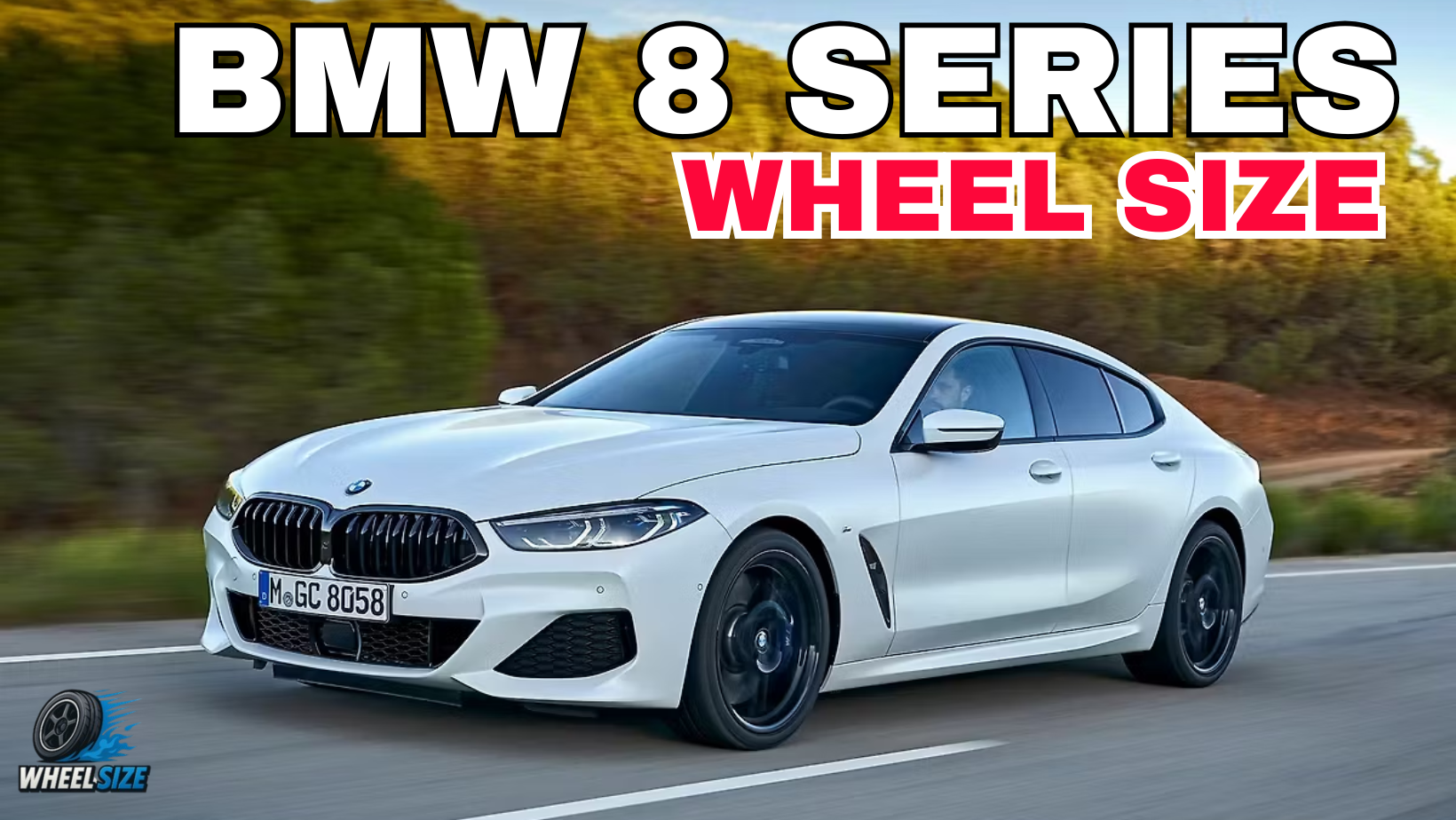
The BMW 8 Series has always stood out as a blend of luxury and performance, and choosing the right wheel setup helps the car look sharper while driving smoother. Every generation has its own fitment style, from the iconic E31 of the ’90s to the modern G-series with advanced suspension systems. This guide walks through everything you need to know about bolt patterns, offsets, wheel sizes, and tire setups so you can upgrade confidently. Whether you’re refreshing old factory wheels or going for a sportier aftermarket look, the right fitment keeps your 8 Series stable, sharp in corners, and visually balanced on the road.
Understanding BMW Wheel Fitment Basics
Before looking at each generation, it helps to understand what makes wheel fitment work on a BMW. The bolt pattern ensures the wheel mounts correctly, while the center bore keeps it perfectly centered. Offset (ET) controls how far the wheel sits inward or outward, shaping both stance and handling. Wheel diameter and width decide how the tire sits on the rim and how the car feels on different roads. The 8 Series often uses staggered setups, meaning the rear wheels are wider for better grip. Knowing these basics makes it easier to choose wheels that look great without causing rubbing or steering issues.
BMW 8 Series Wheel Fitment by Generation
BMW 8 Series E31 (1989–1999) Wheel Fitment
The E31 runs a 5×120 bolt pattern, 72.6 mm center bore, and usually accepts wheels in the 17–18 inch range. Factory offsets sit between ET10–ET20, giving the car its wide, muscular stance. OEM wheels were commonly 17×8 front and 17×9 rear, paired with tire sizes like 235/45R17 in front and 265/40R17 in the rear. These measurements match the suspension geometry of the era, keeping the ride smooth and predictable. Since the E31 uses older chassis technology, staying close to original offset values helps avoid rubbing on the inner arches.
| Year / Model | Hub Bore | Bolt Pattern | Thread Size | OEM Tire Sizes | OEM Rim Sizes | Offset Range (mm) | Tire Pressure (F/R) | OEM Wheel Size | Aftermarket Wheel Size |
|---|---|---|---|---|---|---|---|---|---|
| 1989 – BMW 8 Series (E31) | 72.6 mm | 5×120 | M12 x 1.5 | 235/50R16 93Z | 7.5Jx16 ET15 | 13 – 17 | 2.5 / — | 16″ | 16″ – 19″ |
| 1990 – BMW 8 Series (E31) | 72.6 mm | 5×120 | M12 x 1.5 | 235/50R16 93Z | 7.5Jx16 ET15 | 13 – 17 | 2.5 / — | 16″ | 16″ – 19″ |
| 1991 – BMW 8 Series (E31) | 72.6 mm | 5×120 | M12 x 1.5 | 235/50R16 93Z | 7.5Jx16 ET15 | 13 – 17 | 2.5 / — | 16″ | 16″ – 19″ |
| 1992 – BMW 8 Series (E31) | 72.6 mm | 5×120 | M12 x 1.5 | 235/50R16 93Z | 7.5Jx16 ET15 | 13 – 17 | 2.5 / — | 16″ | 16″ – 19″ |
| 1993 – BMW 8 Series (E31) | 72.6 mm | 5×120 | M12 x 1.5 | 235/50R16 93Z | 7.5Jx16 ET15 | 13 – 17 | 2.5 / — | 16″ | 16″ – 19″ |
| 1994 – BMW 8 Series (E31) | 72.6 mm | 5×120 | M12 x 1.5 | 235/50R16 93Z | 7.5Jx16 ET15 | 13 – 17 | 2.5 / — | 16″ | 16″ – 19″ |
| 1995 – BMW 8 Series (E31) | 72.6 mm | 5×120 | M12 x 1.5 | 235/50R16 93Z | 7.5Jx16 ET15 | 13 – 17 | 2.5 / — | 16″ | 16″ – 19″ |
| 1996 – BMW 8 Series (E31) | 72.6 mm | 5×120 | M12 x 1.5 | 235/50R16 93Z | 7.5Jx16 ET15 | 13 – 17 | 2.5 / — | 16″ | 16″ – 19″ |
| 1997 – BMW 8 Series (E31) | 72.6 mm | 5×120 | M12 x 1.5 | 235/50R16 93Z | 7.5Jx16 ET15 | 13 – 17 | 2.5 / — | 16″ | 16″ – 19″ |
| 1998 – BMW 8 Series (E31) | 72.6 mm | 5×120 | M12 x 1.5 | 235/50R16 93Z | 7.5Jx16 ET15 | 13 – 17 | 2.5 / — | 16″ | 16″ – 19″ |
| 1999 – BMW 8 Series (E31) | 72.6 mm | 5×120 | M12 x 1.5 | 235/50R16 93Z | 7.5Jx16 ET15 | 13 – 17 | 2.5 / — | 16″ | 16″ – 19″ |
Recommended Aftermarket Wheel Sizes for E31
For a cleaner modern look, many owners upgrade to 18×8.5 front and 18×10 rear wheels. Ideal offsets stay around ET10–ET15 to maintain proper clearance. Wider wheels fit well thanks to the coupe’s broad arches, and the larger diameter sharpens handling without compromising comfort. The 5×120 pattern allows a wide range of aftermarket options, and maintaining the 72.6 mm center bore ensures a vibration-free ride without the need for hub rings.
E31 Tire Size Guide
Most E31 upgrades work best with 245/40R18 front and 275/35R18 rear tires. These sizes keep the rolling diameter close to factory specs while improving grip. Drivers who prefer more comfort can stay with 235/45R17 and 265/40R17. The E31 benefits from slightly wider rear tires due to its rear-heavy balance, so staggered setups remain the best approach for stability and cornering feel.
BMW 8 Series G14/G15/G16 (2018–2022) Wheel Fitment
The second-generation 8 Series uses a 5×112 bolt pattern, 66.6 mm center bore, and typically runs wheels from 18–20 inches depending on trim. Factory offsets range from ET25–ET35, matching the modern suspension geometry of the G-series platform. Standard OEM wheels include 19×8 front and 19×9 rear, paired with tires like 245/40R19 and 275/35R19. Because the G14 (Convertible), G15 (Coupe), and G16 (Gran Coupe) share the same platform, they use nearly identical wheel fitment with only minor variations in recommended tire load ratings.
| Year / Model | Hub Bore | Bolt Pattern | Thread Size | OEM Tire Sizes (Front / Rear) | OEM Rim Sizes (Front / Rear) | Offset Range (mm) | Tire Pressure (F/R) | OEM Wheel Size | Aftermarket Wheel Size |
|---|---|---|---|---|---|---|---|---|---|
| 2018 – BMW 8 Series (G14/G15/G16) | 66.6 mm | 5×112 | M14 x 1.25 | 245/45ZR18 100Y / 275/40ZR18 103Y XL | 8Jx18 ET30 / 9Jx18 ET41 | 28–32 (front) / 39–43 (rear) | 2.4 / — | 18″ | 18″–21″ |
| 2019 – BMW 8 Series (G14/G15/G16) | 66.6 mm | 5×112 | M14 x 1.25 | 245/45ZR18 100Y / 275/40ZR18 103Y XL | 8Jx18 ET30 / 9Jx18 ET41 | 28–32 / 39–43 | 2.4 / — | 18″ | 18″–21″ |
| 2020 – BMW 8 Series (G14/G15/G16) | 66.6 mm | 5×112 | M14 x 1.25 | 245/45ZR18 100Y / 275/40ZR18 103Y XL | 8Jx18 ET30 / 9Jx18 ET41 | 28–32 / 39–43 | 2.4 / — | 18″ | 18″–21″ |
| 2021 – BMW 8 Series (G14/G15/G16) | 66.6 mm | 5×112 | M14 x 1.25 | 245/45ZR18 100Y / 275/40ZR18 103Y XL | 8Jx18 ET30 / 9Jx18 ET41 | 28–32 / 39–43 | 2.4 / — | 18″ | 18″–21″ |
| 2022 – BMW 8 Series (G14/G15/G16) | 66.6 mm | 5×112 | M14 x 1.25 | 245/45ZR18 100Y / 275/40ZR18 103Y XL | 8Jx18 ET30 / 9Jx18 ET41 | 28–32 / 39–43 | 2.4 / — | 18″ | 18″–21″ |
Recommended Aftermarket Wheel Sizes for G14/G15/G16
A popular step-up setup is 20×9 front and 20×10.5 rear, keeping offsets around ET28–ET33 for a balanced stance. These sizes fill the arches without rubbing and match the sporty personality of the G-series. The 5×112 pattern allows access to modern lightweight and forged wheel designs. Sticking to the correct center bore avoids vibration, and no spacers are usually required when the ET range is respected.
Tire Size Guide for G-Series
The ideal upgrade tire combo for 20-inch wheels is 245/35R20 front and 285/30R20 rear. This maintains correct rolling diameter while offering sharp steering and strong rear traction. For drivers who want more comfort, staying with 245/40R19 and 275/35R19 works well. Non-run-flat tires noticeably improve ride quality on this generation.
BMW 8 Series G14/G15/G16 LCI (2022–2026) Wheel Fitment
The LCI models continue with the 5×112 bolt pattern, 66.6 mm center bore, and wheel sizes from 19–21 inches depending on package. Offsets fall between ET25–ET32, slightly optimized for updated suspension tuning. Standard wheel sizes include 20×8.5 front and 20×10 rear with 245/35R20 and 275/30R20 tires. The LCI’s refined ride quality means proper fitment helps maintain quietness and stability, especially on the Gran Coupe.
| Year | Hub Bore (mm) | Bolt Pattern | Thread Size | Front Tire | Rear Tire | Front Rim | Rear Rim | Offset Range (mm) | Pressure (bar) |
|---|---|---|---|---|---|---|---|---|---|
| 2022 | 66.6 | 5×112 | M14x1.25 | 245/40ZR19 | 275/35ZR19 | 8Jx19 ET26 | 9Jx19 ET41 | 24–28 / 39–43 | 2.4 |
| 2023 | 66.6 | 5×112 | M14x1.25 | 245/40ZR19 | 275/35ZR19 | 8Jx19 ET26 | 9Jx19 ET41 | 24–28 / 39–43 | 2.4 |
| 2024 | 66.6 | 5×112 | M14x1.25 | 245/40ZR19 | 275/35ZR19 | 8Jx19 ET26 | 9Jx19 ET41 | 24–28 / 39–43 | 2.4 |
| 2025 | 66.6 | 5×112 | M14x1.25 | 245/40ZR19 | 275/35ZR19 | 8Jx19 ET26 | 9Jx19 ET41 | 24–28 / 39–43 | 2.4 |
| 2026 | 66.6 | 5×112 | M14x1.25 | 245/40ZR19 | 275/35ZR19 | 8Jx19 ET26 | 9Jx19 ET41 | 24–28 / 39–43 | 2.4 |
Aftermarket Fitment Recommendations for LCI
For a cleaner stance, many LCI owners choose 21×9 front and 21×10.5 rear wheels with offsets around ET28–ET30. These fill the arches neatly without interfering with suspension components. The G-series chassis handles larger wheels well thanks to its adaptive dampers, and keeping the correct center bore ensures smooth highway driving without shimmy or vibration.
LCI Tire Size Guide
A strong performance setup for 21-inch wheels is 255/30R21 front and 295/25R21 rear, offering sharp steering response and enhanced traction. For owners who prefer comfort and durability, the factory 245/35R20 and 275/30R20 remain ideal. The updated suspension on the LCI responds well to premium performance tires, improving cornering grip without sacrificing ride balance.
BMW 8 Series Wheel Offset Guide
Offset plays a huge role in how the 8 Series feels on the road, especially because each generation carries its own track width and suspension geometry. A lower offset pushes the wheel outward for a more aggressive stance, while a higher offset pulls it inward for a closer-to-factory look. The E31 typically used low offsets due to its wider arches, whereas the G-series models rely on mid-range offsets to stay aligned with modern suspension tuning. Choosing the right offset ensures safe clearance from fenders, brakes, and inner liners. When upsizing wheels, offset becomes even more important, as a small change can dramatically alter how the car handles bumps, corners, and quick steering inputs.
Offset Ranges for E31, G-Series & LCI
The E31 works best within ET10–ET20, keeping the wheels centered in its wide arches. The G14/G15/G16 pre-LCI models stay balanced in the ET25–ET35 range, matching their tighter body lines. The LCI versions slightly refine this with ET25–ET32, optimized for updated suspension behavior. Staying inside these ranges prevents rubbing while keeping steering response crisp.
How Offset Changes Affect Stance & Handling
Lowering the offset creates a fuller, wider stance but can introduce rubbing if pushed too far. A higher offset keeps everything tucked in but may limit visual appeal. Finding the middle ground helps balance comfort, stability, and appearance without compromising the car’s natural driving character.
Best Aftermarket Wheels for BMW 8 Series
The 8 Series benefits greatly from quality aftermarket wheels, especially since its design highlights bold curves and a confident stance. Lightweight forged wheels help reduce rotational mass, making the car feel livelier without sacrificing comfort. Flow-formed options offer a balanced middle ground for daily use, while premium forged designs appeal to drivers looking for maximum strength. Many owners prefer split-spoke or deep-concave styles that complement the long body lines. The key is choosing wheels that maintain proper load rating and match the required bolt pattern and center bore. With the right selection, the 8 Series gains sharper road presence, improved acceleration feel, and more predictable handling.
Popular Wheel Styles & Brands
Multi-spoke forged wheels, lightweight mesh designs, and deep-concave profiles suit the 8 Series especially well. Brands like BBS, HRE, Vossen, and Forgestar offer wheels in the correct PCDs and offsets, making fitment simple while elevating appearance and performance.
Common Fitment Issues & How to Avoid Them
Even though the 8 Series is friendly to wheel upgrades, certain mistakes can lead to rubbing, vibration, or poor handling. Selecting wheels with offsets far outside the recommended range often causes fender contact or inner suspension interference. Incorrect center bores lead to steering shake at higher speeds, especially on G-series models. Overly wide tires may improve grip but can cause the car to tramline on uneven roads. Brake clearance is another important detail, particularly on models equipped with M Sport braking systems. Taking time to check measurements prevents unnecessary headaches and ensures the car drives as smoothly as BMW intended.
Avoiding Rubbing & Clearance Problems
Stick to approved width and offset ranges, especially when upsizing. Always test-fit wheels before mounting tires to confirm caliper clearance. Keeping tire sidewall shape in mind helps avoid rubbing on full steering lock or over bumps.
Center Bore, Torque & Spacer Tips
Use the correct center bore to prevent vibration—72.6 mm for E31 and 66.6 mm for G-series. Torque lug bolts to BMW specs and use spacers only when necessary. Quality hub-centric spacers maintain stability and proper alignment.
FAQ’s
Can I run 20-inch wheels on the E31?
Yes, but only with careful sizing. Stick close to ET10–ET15 and choose tires like 245/35R20 and 275/30R20 to avoid rubbing or stressing the older suspension.
Are staggered wheels necessary?
While not mandatory, staggered setups improve balance on all 8 Series generations. BMW designed the chassis to work best with wider rear tires for traction and stability.
Do LCI models have different fitment needs?
LCI cars use the same bolt pattern but slightly refined offsets. Their typical wheel range is 19–21 inches, with offsets ET25–ET32, matching updated steering and damping.
Conclusion
The BMW 8 Series rewards owners who choose the right wheel setup, whether it’s the timeless E31 or the modern G-series models. Each generation has unique fitment traits, but all benefit from correct wheel diameter, offset, bolt pattern, and tire selection. Staying within recommended ranges keeps the ride smooth, steering sharp, and body lines well-balanced. With the right wheels, the 8 Series doesn’t just look better—it drives with more confidence and character. Whether your goal is comfort, performance, or style, a well-matched wheel setup helps your 8 Series deliver the complete grand-touring experience it was built for.




Post Comment