BMW i3 Bolt Pattern, Tire Size, Rim Size, Center Bore and Offsets
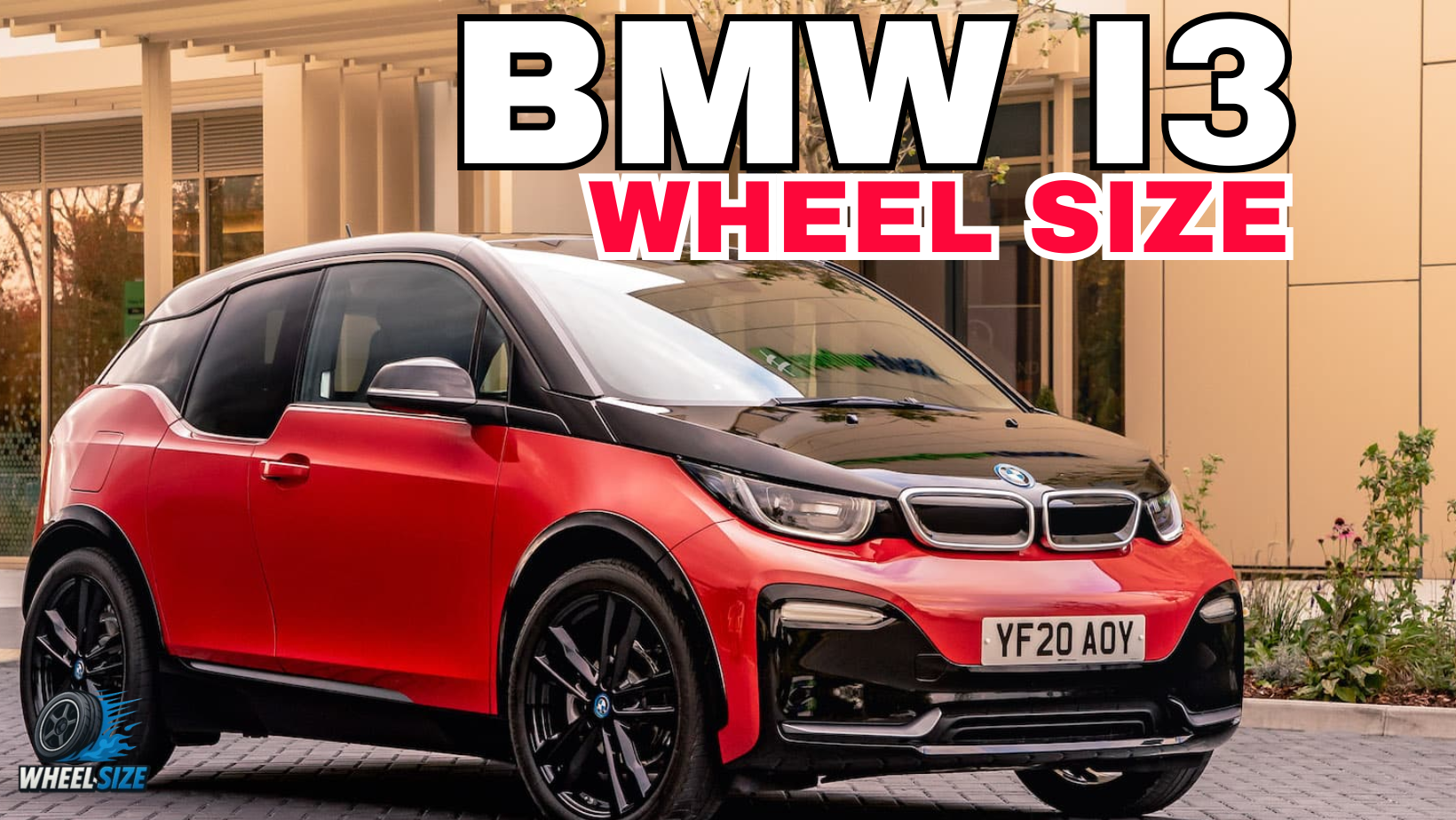
The BMW i3 is a one-of-a-kind electric car that has a futuristic look and works well in the city. Choosing the right wheels and tires is one of the most important things you can do to keep your car’s driving dynamics and safety. The perfect fitment makes sure that the tires wear evenly, handle well, and use energy efficiently. The i3 has had three different generations: the original I01 (2013–2017), the facelifted I01 LCI (2017–2022), and the updated G28 (2022–2026). There are small variations in the wheel bolt patterns, hub bore sizes, offsets, and tire sizes between each generation. It is important to know these characteristics before getting new wheels or upgrading your old ones, especially if you are getting aftermarket wheels that can change how your car looks and how well it works.
BMW i3 I01 (2013–2017) Wheel Fitment
The i3 I01 was the first to have a lightweight design with a body that was reinforced with carbon fiber. The wheels are 19 to 20 inches in diameter and have a 5×112 bolt pattern and a 66.6 mm hub bore, which makes them different from other small electric vehicles. Standard offsets are between 41 and 45 mm, which works well with narrow yet tall tires for driving in the city. The factory tires are 155/70 R19 for the front and 175/60 R20 for the back. When you buy aftermarket wheels, you need to make sure there is enough space around the brakes and suspension. Lightweight alloys assist keep the range and lower the weight that isn’t supported by the wheels. Even though it’s small, making sure the wheels fit properly is quite important for comfort, grip on the road, and keeping the car’s handling predictable when driving in the city or on the highway.
| Year | Hub Bore (mm) | Bolt Pattern | Thread Size | OEM Tire | OEM Rim | Offset Range (mm) | Tire Pressure (bar) |
|---|---|---|---|---|---|---|---|
| 2013 | 66.6 | 5×112 | M14 x 1.25 | 155/70R19 84Q | 5Jx19 ET43 | 41–45 | 2.3 / 2.8 |
| 2014 | 66.6 | 5×112 | M14 x 1.25 | 155/70R19 84Q | 5Jx19 ET43 | 41–45 | 2.3 / 2.8 |
| 2015 | 66.6 | 5×112 | M14 x 1.25 | 155/70R19 84Q | 5Jx19 ET43 | 41–45 | 2.3 / 2.8 |
| 2016 | 66.6 | 5×112 | M14 x 1.25 | 155/70R19 84Q | 5Jx19 ET43 | 41–45 | 2.3 / 2.8 |
| 2017 | 66.6 | 5×112 | M14 x 1.25 | 155/70R19 84Q | 5Jx19 ET43 | 41–45 | 2.3 / 2.8 |
BMW i3 Facelift (2017–2022) Wheel Fitment
The BMW i3 Facelift (I01 LCI) kept a lot of the previous design but made little changes to the way it looked and worked. The wheels are still 19 inches in the front and 20 inches in the back, with a 5×112 bolt pattern and a 66.6 mm hub bore. This makes them work with the first model. Offsets are kept between 41 and 45 mm, which keeps the ride comfortable and stable. The front tires are still 155/70 R19 and the back tires are still 175/60 R20. The i3s version has tires that are a little wider, which makes it easier to handle. Upgrades from the aftermarket can include lightweight alloys or aerodynamic wheel designs that make the i3 more efficient while keeping its unique staggered wheel look and city-friendly handling.
| Year | Hub Bore (mm) | Bolt Pattern | Thread Size | Front Tire | Rear Tire | Front Rim | Rear Rim | Offset Range (mm) | Pressure (bar) |
|---|---|---|---|---|---|---|---|---|---|
| 2017 | 66.6 | 5×112 | M14 x 1.25 | 155/70R19 | 175/60R19 | 5Jx19 ET43 | 5.5Jx19 ET53 | 41–45 / 51–55 | 2.3 / 2.8 |
| 2018 | 66.6 | 5×112 | M14 x 1.25 | 155/70R19 | 175/60R19 | 5Jx19 ET43 | 5.5Jx19 ET53 | 41–45 / 51–55 | 2.3 / 2.8 |
| 2019 | 66.6 | 5×112 | M14 x 1.25 | 155/70R19 | 175/60R19 | 5Jx19 ET43 | 5.5Jx19 ET53 | 41–45 / 51–55 | 2.3 / 2.8 |
| 2020 | 66.6 | 5×112 | M14 x 1.25 | 155/70R19 | 175/60R19 | 5Jx19 ET43 | 5.5Jx19 ET53 | 41–45 / 51–55 | 2.3 / 2.8 |
| 2021 | 66.6 | 5×112 | M14 x 1.25 | 155/70R19 | 175/60R19 | 5Jx19 ET43 | 5.5Jx19 ET53 | 41–45 / 51–55 | 2.3 / 2.8 |
| 2022 | 66.6 | 5×112 | M14 x 1.25 | 155/70R19 | 175/60R19 | 5Jx19 ET43 | 5.5Jx19 ET53 | 41–45 / 51–55 | 2.3 / 2.8 |
Fitment of BMW i3 G28 wheels (2022–2026)
The newest BMW i3 G28 is built on a larger 3-Series chassis instead of the original carbon-fiber body. This is a big change for the platform. The factory wheels have a 5×112 bolt pattern and a hub bore of 66.6 mm. They come in sizes from 18 to 20 inches. Offsets are usually between 36 and 40 mm, which is a little less than the previous i3 generations because this one is built on a more standard sedan base. Depending on the model level, the stock tires are 185/60 R18, 195/55 R19, or 205/50 R20. There are a lot of different types of aftermarket wheels, from livelier low-profile tires to designs that are better for the environment. Even though it’s labeled “i3,” this generation has new wheel specs, so be careful not to swap wheels with older generations that don’t work.
| Year | Hub Bore (mm) | Bolt Pattern | Thread Size | Front Tire | Rear Tire | Front Rim | Rear Rim | Offset Range (mm) | Pressure (bar) |
|---|---|---|---|---|---|---|---|---|---|
| 2022 | 66.6 | 5×112 | M14 x 1.25 | 225/50 R18 | 245/45 R18 | 8Jx18 ET38 | 8.5Jx18 ET53 | 36–40 / 51–55 | 2.3 / 2.8 |
| 2023 | 66.6 | 5×112 | M14 x 1.25 | 225/50 R18 | 245/45 R18 | 8Jx18 ET38 | 8.5Jx18 ET53 | 36–40 / 51–55 | 2.3 / 2.8 |
| 2024 | 66.6 | 5×112 | M14 x 1.25 | 225/50 R18 | 245/45 R18 | 8Jx18 ET38 | 8.5Jx18 ET53 | 36–40 / 51–55 | 2.3 / 2.8 |
| 2025 | 66.6 | 5×112 | M14 x 1.25 | 225/50 R18 | 245/45 R18 | 8Jx18 ET38 | 8.5Jx18 ET53 | 36–40 / 51–55 | 2.3 / 2.8 |
| 2026 | 66.6 | 5×112 | M14 x 1.25 | 225/50 R18 | 245/45 R18 | 8Jx18 ET38 | 8.5Jx18 ET53 | 36–40 / 51–55 | 2.3 / 2.8 |
Options for Aftermarket Fitment
Wheels for the G28 that are not made by the manufacturer should have a 5×112 bolt pattern and a 66.6 mm hub bore. To keep efficiency, it’s best to use lightweight alloys and designs that are aerodynamic. People often upgrade to wheels that are 19 to 20 inches in diameter and have offsets that work with them of 35 to 40 mm. You can also use staggered configurations, but it’s very important to make sure that there is enough space for the brakes and suspension. Like the original i3 philosophy, designs that are sympathetic to electric vehicles assist decrease drag and keep the range.
FAQ’s
Q1: What is the bolt pattern for the BMW i3?
The I01 and I01 LCI wheels are 5×120, however the G28 wheels are 5×112. Before buying wheels, it’s very important to verify your generation to make sure they fit safely.
Q2: Is it possible to add bigger wheels on a BMW i3?
Yes, as long as the offset and hub bore are within the restrictions. Wider wheels can make handling better, but if they make rolling resistance higher, they might also make the range shorter. Always check the suspension clearance.
Q3: Can I use the wheels from a BMW i3 and an i3s?
The i3s has the same bolt pattern, hub bore, and offsets as the I01 LCI, thus you can usually swap wheels between the two. The breadth of the tire may be the only thing that changes.
Q4: What size wheels work best for efficiency?
For cities to work well, the I01/I01 LCI should have a 19-inch front and a 20-inch rear, while the G28 should have an 18–19 inch front. Tires with low rolling resistance help the battery last longer.
Q5: Is it possible to put G28 wheels on the earlier i3?
No. The G28 has a different hub bore, bolt pattern (5×112 vs. 5×120), and offsets. It might not be safe to try to switch.
Conclusion
For safety, performance, and efficiency, it’s important to pick the correct wheels and tires for your BMW i3. Each iteration of the I01, from the original (2013–2017) to the facelifted I01 LCI (2017–2022) to the G28 (2022–2026), has different needs for bolt pattern, hub bore, offset, and tire size. Knowing these specs can help you avoid problems with handling, rubbing, and possible damage to the brakes or suspension. Aftermarket additions might increase appearance and performance, but sticking to the recommended offsets and dimensions will give you the best range and ride quality. You can get lightweight alloys, aerodynamic designs, or sportier configurations for your i3. Just make sure that everything fits properly so that it stays safe, efficient, and looks great. This way, every drive will be fun, whether you’re in the city or on the highway.




Post Comment