BMW M2 Bolt Pattern, Tire Size, Rim Size, Center Bore and Offsets
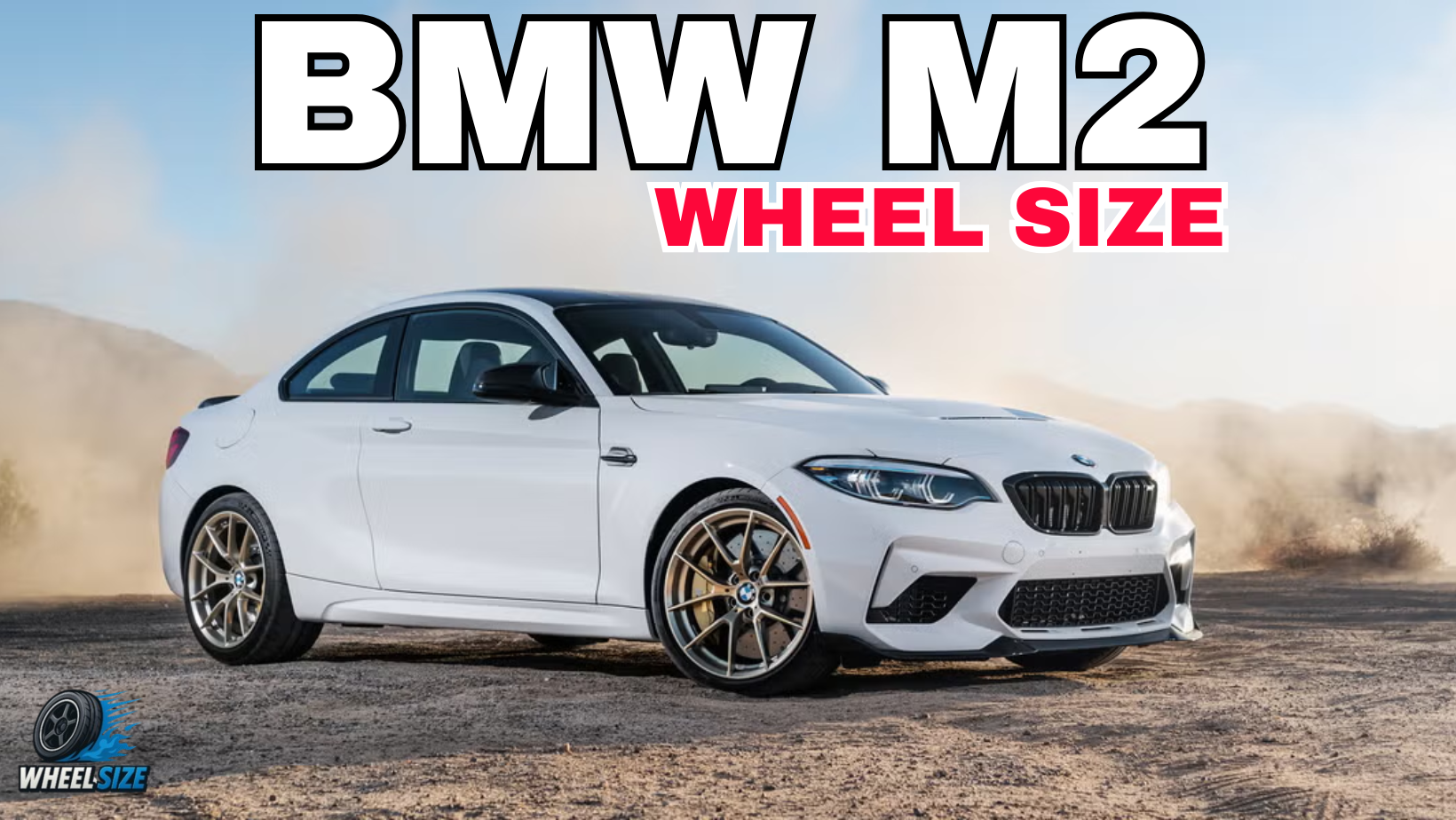
The BMW M2, a performance car that commands attention, is celebrated for its nimble handling and bold appearance. Selecting the right wheels is essential; it’s about more than just aesthetics. The right wheels directly impact driving dynamics, safety, and overall performance. A poor fit can result in tire rubbing, compromised handling, or even damage to suspension parts. This guide addresses all M2 generations, including the F87, F87 LCI, G87, and G87 LCI, offering comprehensive wheel specifications to assist enthusiasts in making educated decisions. Whether you’re considering aftermarket rims or simply replacing the factory wheels, understanding the correct bolt pattern, offset, center bore, and tire sizes guarantees a flawless fit, ultimately improving both style and performance.
Understanding Wheel Fitment
Wheel fitment goes beyond simply selecting a visually appealing wheel. It is essential to comprehend the bolt pattern (PCD), center bore, offset, and suitable tire dimensions. The bolt pattern, which encompasses the number of lug holes and their spacing, is crucial for proper wheel mounting. Offset dictates the distance the wheel is positioned from the hub, thereby influencing suspension clearance and vehicle stance. The center bore guarantees a secure fit of the wheel on the hub, thereby minimizing vibrations. Furthermore, rim width and diameter significantly impact tire selection and overall handling characteristics. The utilization of appropriate wheel fasteners and adherence to specified torque settings are paramount for safety. A thorough understanding of these elements aids in circumventing frequent errors, sustaining optimal performance, and preserving the vehicle’s handling precision.
BMW M2 F87 [2015–2017]
The initial iteration of the BMW M2 F87 rapidly gained popularity among automotive enthusiasts, owing to its compact dimensions and responsive handling capabilities. Proper wheel fitment is key to preserving its dynamic performance and cornering precision. The F87 uses a bolt pattern of 5×120 and a center bore of 72.6 mm, which ensures that wheels sit securely on the hub. OEM recommended rims measure 18×8.5 ET34 for the front and 18×9.5 ET40 for the rear, paired with 255/35R18 front tires and 275/35R18 rear tires. The wheels are fastened with M14x1.25 lug nuts, providing the correct torque and stability. Choosing wheels within these specifications maintains handling balance while offering room for aftermarket upgrades without compromising safety.
BMW M2 F87 LCI [2017–2021]
The F87 LCI brought subtle enhancements, including refined suspension and larger brakes, which slightly impacted wheel fitment. The bolt pattern remains 5×120, with a center bore of 72.6 mm, maintaining compatibility with many F87 wheel options. BMW upgraded the recommended rim sizes to 19×8.5 ET35 for the front and 19×9.5 ET40 for the rear, allowing for wider tires such as 275/30R19 on the front and 285/30R19 on the rear, which improve grip and responsiveness.Wheels are installed using M14x1.25 lug nuts to ensure secure mounting. These specifications allow owners to explore lightweight aftermarket wheels for enhanced performance while preserving the car’s precise handling characteristics.
BMW M2 G87 [2023–2024]
The G87 M2 represents a new era of performance and design, blending aggressive styling with modern chassis improvements. Its bolt pattern of 5×112 and center bore of 66.6 mm are slightly different from the F87, reflecting updates in hub design and suspension. OEM rims are recommended at 19×8.5 ET33 for the front and 19×9.5 ET40 for the rear, paired with 275/35R19 front tires and 285/35R19 rear tires, balancing grip, comfort, and high-speed stability. The M14x1.25 lug nuts ensure the wheels remain securely mounted. Maintaining these specifications is crucial for brake clearance and avoiding suspension interference, though aftermarket options are available for those seeking a sportier stance or lighter wheels.
BMW M2 G87 LCI [2024–2026]
The G87 LCI facelift brings subtle refinements to the latest generation, with tweaks to the design and brake package that slightly impact wheel fitment. The bolt pattern stays at 5×112, and the center bore is still 66.6 mm, so existing G87 wheels will fit without issue. BMW suggests slightly larger rims: 20×8.5 ET34 up front and 20×9.5 ET41 in the rear. These accommodate 275/30R20 front tires and 285/30R20 rear tires, which should improve both grip and looks. M14x1.25 lug nuts secure the wheels, ensuring proper torque and stability. Sticking to these specs lets enthusiasts safely upgrade their wheels while keeping the M2’s precise handling intact, making the LCI model both visually appealing and performance-focused.
Common Wheel Fitment Errors
Enthusiasts often make straightforward but expensive mistakes when upgrading wheels. Using the wrong offset or PCD can cause rubbing or uneven tire wear. Ignoring the center bore size can lead to vibrations and damage to hub bearings. Installing wheels that are either too wide or too narrow can seriously mess with your grip and how the car handles. If you don’t pay attention to brake clearance, you might not be able to steer fully or the brakes could get in the way. And if you’ve made changes to the suspension, you could throw off the alignment. The good news is that these problems are easy to avoid. Just stick to the original equipment manufacturer (OEM) specifications and understand the wheel dimensions. That way, you keep your car performing well and driving safely.
FAQ’s
Can I put aftermarket wheels on my M2?
Sure, but you need to stick to the OEM bolt pattern, center bore, and offset. That’s the only way to keep the handling and safety where they should be.
What is the ideal tire size?
F87 models sport 265mm front tires and 285mm in the rear; the G87s have 275mm up front and 285mm at the back.
To determine if a wheel will fit over your brakes, check that the rim’s diameter and offset provide enough space for the calipers and suspension parts.
Can you adjust the offset?
Small changes are generally fine, but significant alterations can impact handling and potentially lead to rubbing.
Are staggered wheel setups a good idea? They can improve rear grip and give a more aggressive look, but it’s essential to adhere to the manufacturer’s specifications.





Post Comment