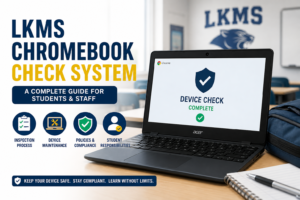
LKMS Chromebook Check System – Complete Guide for Students & Staff
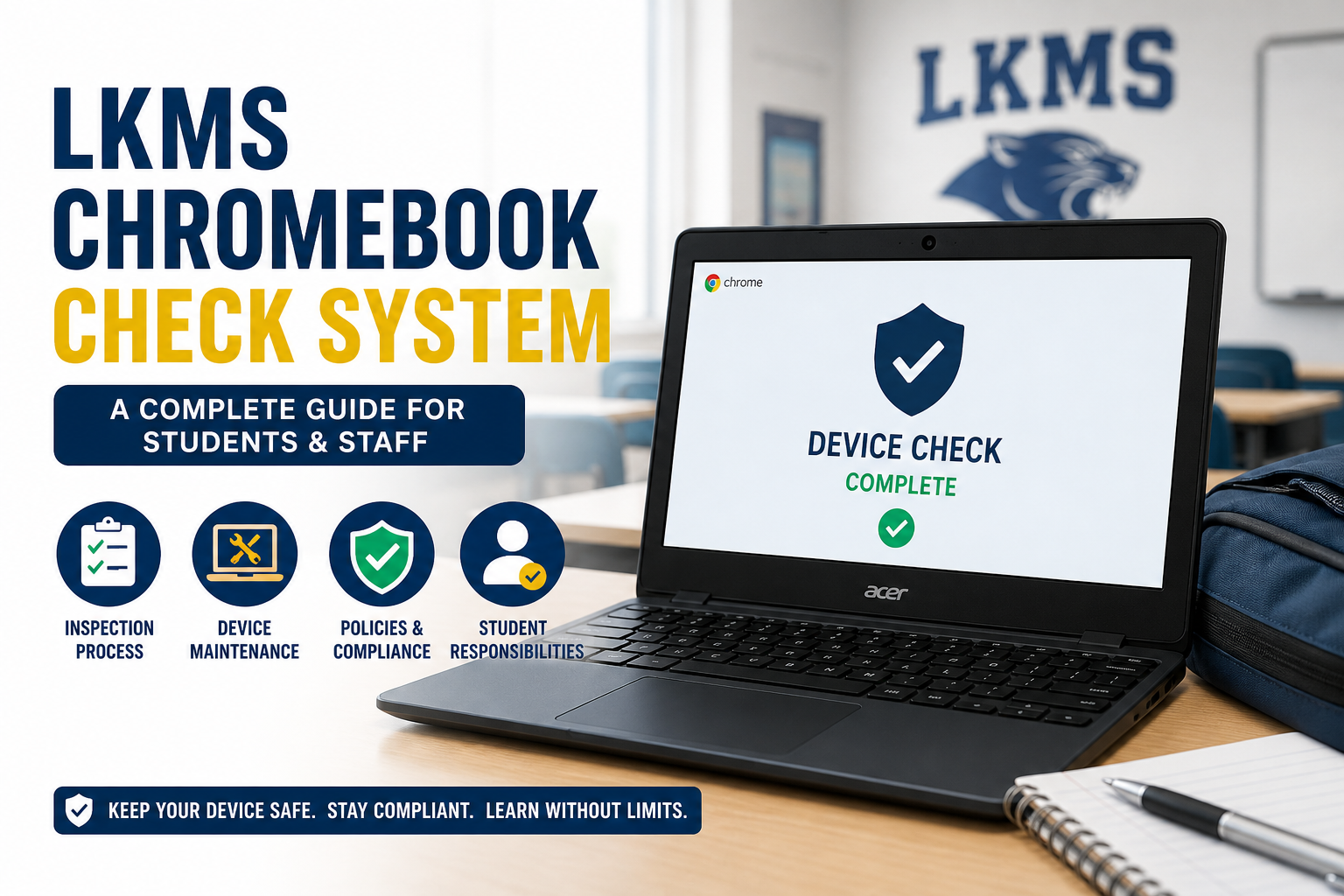
What is the LKMS Chromebook Check System?
The tinyurl.com/lkmschromebookcheck is a structured school process designed to review and manage student-issued Chromebooks. It ensures that every device used for learning meets school standards for safety, functionality, and proper usage. Schools rely on this system to maintain consistency across all student devices and to avoid technical issues during classroom activities. During the check, staff examine both hardware and software conditions to confirm everything is working correctly. It also helps schools track device health over time. For students, it acts as a reminder to take responsibility for their Chromebook and keep it in good condition throughout the academic year. Overall, it supports a smooth digital learning environment.
Why Chromebook Checks Are Important in Schools
Chromebook checks play a key role in maintaining a reliable digital learning system. When devices are regularly inspected, schools can quickly identify problems before they disrupt classroom work. This helps reduce unexpected breakdowns and improves learning efficiency. Another important reason is safety, as schools need to ensure that all devices follow usage policies and do not contain harmful or unauthorized content. These checks also encourage students to handle their devices more carefully, knowing they will be reviewed. Additionally, it helps IT teams manage large numbers of devices more effectively. Overall, Chromebook inspections create a balanced environment where technology supports education without unnecessary interruptions or risks.
How the Chromebook Check Process Works
The Chromebook check process follows a clear step-by-step system designed to make inspections smooth and organized. Students are usually asked to submit their devices during a scheduled period. Once collected, trained staff inspect each Chromebook for physical condition, software updates, and system performance. They check for issues like broken screens, missing keys, or slow performance. The device is also reviewed for compliance with school rules, including installed apps and login access. After inspection, each Chromebook is categorized based on its condition. If problems are found, students may receive instructions for repair or correction. This structured approach ensures fairness and consistency for all students across the school.
Step-by-Step Inspection Procedure
The inspection procedure begins when students hand over their Chromebooks to school staff. Each device is logged and assigned for review. Technicians then examine physical condition, checking for cracks, keyboard damage, or charging issues. After that, they move to software inspection, ensuring the operating system is updated and properly functioning. They also verify user accounts and remove unauthorized applications if needed. Finally, results are recorded in the school system. Students are later informed about any issues found. This step-by-step method helps maintain transparency and ensures every device is evaluated under the same standards.
What Inspectors Look For
During Chromebook inspections, staff focus on both physical and digital aspects of the device. On the physical side, they check the screen, keyboard, hinges, and overall body condition. Any signs of damage or wear are recorded. On the software side, they review system updates, installed apps, and security settings. Inspectors also ensure that student accounts are correctly logged in and that no unauthorized extensions are added. Battery performance and charging ability are also evaluated. These checks help confirm that the Chromebook is safe, functional, and suitable for continued classroom use without interruptions or technical risks.
Student Responsibilities During Chromebook Check
Students have an important role in making the Chromebook check process smooth and successful. They are expected to take proper care of their devices throughout the year and present them in good condition during inspection. Before submitting, students should back up important files to prevent data loss. They should also clean their Chromebook, removing dust and fingerprints. Reporting any existing damage beforehand is also considered responsible behavior. Students must avoid installing unauthorized apps or making changes to system settings before the check. By following these responsibilities, students help ensure a faster inspection process and reduce the chances of penalties or repair issues. It also builds good digital discipline habits.
Common Issues Found During Chromebook Inspections
During inspections, several common problems are often discovered in student Chromebooks. One of the most frequent issues is physical damage, such as cracked screens, broken hinges, or damaged keyboards. Another common problem is missing accessories like chargers or protective cases. On the software side, inspectors often find unauthorized applications or extensions that violate school rules. Slow performance due to unnecessary files or outdated systems is also regularly reported. Sometimes login issues occur when students forget passwords or use incorrect account settings. These problems highlight the importance of regular maintenance and responsible usage to keep devices in proper working condition throughout the school year.
How to Prepare Your Chromebook for Inspection
Preparing a Chromebook for inspection helps avoid delays and ensures a smooth checking process. Students should start by organizing their files and backing up important data to cloud storage like Google Drive. This prevents accidental data loss during review. Next, they should clean the device carefully, including the screen, keyboard, and outer body. Removing unnecessary files and logging out of personal accounts is also recommended. If the school requires it, students may need to restart or reset certain settings. Checking for visible damage beforehand helps avoid surprises during inspection. Proper preparation not only speeds up the process but also improves the chances of passing the check without issues.
Backup Your Files Safely
Backing up files is an important step before Chromebook inspection. Students should store their important documents, assignments, and notes in cloud storage like Google Drive. This ensures that no academic work is lost during the checking process. It is also useful to organize files into folders so they can be easily accessed later. Students should double-check that all necessary data is synced properly before submitting the device. Taking a backup reduces stress and protects against accidental deletion or system resets. This simple step ensures that learning materials remain safe and accessible at all times.
Clean and Reset Device Properly
Cleaning and resetting the Chromebook helps present the device in good condition during inspection. Students should gently clean the screen, keyboard, and outer surface using a soft cloth to remove dust and fingerprints. On the software side, unnecessary files should be deleted to improve performance. If required by the school, a basic reset may be performed to restore system settings. This ensures that no personal or unused data interferes with the inspection process. A clean and well-maintained device reflects responsible usage and helps inspectors complete their work more efficiently without distractions or technical issues.
Rules and Policies for Chromebook Usage
Schools implement clear rules and policies for Chromebook usage to maintain discipline and consistency. Students are expected to use devices strictly for educational purposes, avoiding entertainment or unrelated activities during school hours. Installing unauthorized apps or changing system settings without permission is not allowed. Proper handling of the device is also part of the policy, as any damage may result in penalties. Schools may also restrict access to certain websites to ensure safe browsing. These rules are designed to create a focused learning environment where technology supports education. Following these policies helps students avoid disciplinary actions and ensures that all devices remain in good condition throughout the year.
Consequences of Not Passing Chromebook Check
If a Chromebook does not pass inspection, students may face several consequences depending on the issue. Minor problems may require simple corrections or updates, while more serious damage could lead to repair charges. In some cases, students may temporarily lose access to their device until the issue is resolved. Schools may also assign a replacement device with limited access. Repeated violations or failure to follow guidelines can result in stricter penalties. These consequences are meant to encourage responsible usage and ensure that all students maintain their devices properly. Passing the Chromebook check is important for uninterrupted access to digital learning tools in school.
Final Thoughts on LKMS Chromebook Check System
The LKMS Chromebook Check System plays an important role in maintaining a reliable and efficient digital learning environment. It ensures that all student devices are in good working condition and meet school standards. By identifying issues early, schools can prevent disruptions during lessons and improve overall classroom productivity. For students, it encourages responsibility, discipline, and better care of technology. Regular inspections also help extend the lifespan of devices and reduce repair costs. When both students and staff follow the system properly, it creates a smoother learning experience for everyone involved. In the long run, this process supports stronger integration of technology in education while keeping devices safe and functional.




Post Comment