BMW 1 Series Bolt Pattern,Tire Size, Rim Size,Center Bore and Offsets
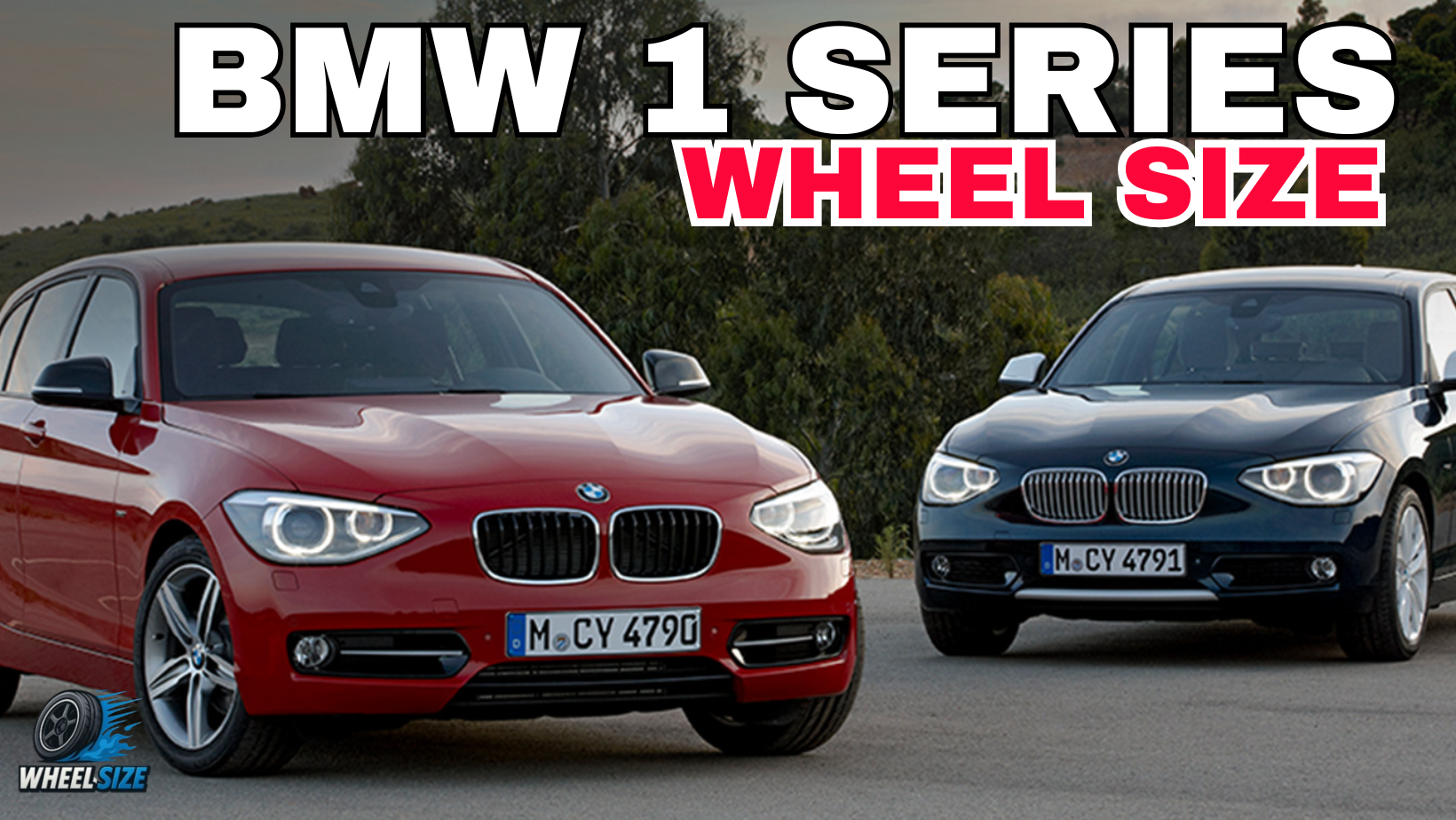
The BMW 1 Series has always been a unique small car, and the correct wheels can truly let its design and performance shine. It’s important to know how wheel size and fit effect your car, whether you choose a discreet factory design or something more flashy. Wheels affect more than just how the car looks; they also affect how it feels when you steer, how comfortable it is, and how connected it feels on the road. The best wheel arrangement changes depending on the version of the 1 Series because each one has a distinct chassis layout and suspension architecture. This tutorial makes things easy to understand so you can choose wheels with confidence. The goal isn’t simply to make the automobile appear attractive; it’s also to have it drive well.
Understanding Wheel Fitment
Wheel fitting is the term for how well a wheel fits a car in terms of both its physical and mechanical parts. The way the car works is affected by even the smallest things. If a wheel doesn’t fit the car’s specs, it might cause friction, vibration, or even long-term strain on the suspension. Fitment looks at aspects like the shape of the bolts, how the wheel fits inside the arch, and how it connects to the hub. Most people probably think of wheel size first, but it’s the offset and width that really determine how the wheel looks and how it works. Knowing these things will help you avoid making guesses and make sure your car stays steady and fun to drive. A good fitment feels right, but a bad fitment might change the way the car drives in ways you don’t desire.
First Generation BMW 1 Series (E81, E82, E87, E88)
The first-generation 1 Series is loved for its rear-wheel-drive platform, which makes it playful and responsive. Wheel choice is critical: the wrong diameter, width, or offset can make the car feel sluggish or unstable. For these models, hub bore 72.6 mm, 5×120 bolt pattern, offsets 40–44 mm, wheel sizes 16–18 inch, and tire sizes 205/55–225/45 R16–18 strike the right balance. Wider wheels may enhance grip but risk rubbing against the arches, while narrower wheels maintain agility. Many owners select wheels that slightly increase diameter and width for a sportier stance without compromising ride comfort. Careful attention to offset ensures that wheels complement the car’s naturally nimble chassis and maintain responsive handling.
| Year | Hub Bore (mm) | Bolt Pattern | Thread Size | OEM Tire Sizes | OEM Rim Sizes | Offset Range (mm) | Tire Pressure (F/R bar) | Wheel Size Range |
| 2004 | 72.6 | 5×120 | M12 x 1.5 | 195/55R16 87H | 6.5Jx16 ET42 | 40 – 44 | 2.2 / 2.0 | 16″ |
| 2005 | 72.6 | 5×120 | M12 x 1.5 | 195/55R16 87H | 6.5Jx16 ET42 | 40 – 44 | 2.2 / 2.0 | 16″ |
| 2006 | 72.6 | 5×120 | M12 x 1.5 | 195/55R16 87H | 6.5Jx16 ET42 | 40 – 44 | 2.2 / 2.0 | 16″ |
| 2007 | 72.6 | 5×120 | M12 x 1.5 | 195/55R16 87H | 6.5Jx16 ET42 | 40 – 44 | 2.2 / 2.0 | 16″ |
| 2008 – 128i (E87/E81/E82/E88) | 72.6 | 5×120 | M12 x 1.5 | 205/55R16 91H | 7Jx16 ET44 | 42 – 46 | 2.2 / 2.4 | 16″ |
| 2009 – 128i (E87/E81/E82/E88) | 72.6 | 5×120 | M12 x 1.5 | 205/55R16 91H | 7Jx16 ET44 | 42 – 46 | 2.2 / 2.4 | 16″ |
| 2010 – 128i (E87/E81/E82/E88) | 72.6 | 5×120 | M12 x 1.5 | 205/55R16 91H | 7Jx16 ET44 | 42 – 46 | 2.2 / 2.4 | 16″ |
| 2011 – 128i (E87/E81/E82/E88) | 72.6 | 5×120 | M12 x 1.5 | 205/55R16 91H | 7Jx16 ET44 | 42 – 46 | 2.2 / 2.4 | 16″ |
Recommended Wheel Styles & Sizes
Sporty designs, notably multi-spoke or mesh-style wheels that make the car look more athletic, are best for the first generation. A lot of drivers pick wheels that are one size bigger than the base diameter so that the car handles better without being too uncomfortable. Staying within a moderate range helps keep the energetic, balanced driving experience these models are known for. If you go too big, the ride can get rougher.
Second Generation BMW 1 Series (F20, F21)
The F20/F21 1 Series introduced a slightly wider, more refined chassis while keeping driving fun. Wheels can now be slightly larger without hurting handling, giving owners more flexibility. Hub bore remains 72.6 mm with 5×120 bolt pattern, offsets range 31–35 mm, and wheel sizes 16–19 inch with tires 205/55–235/40 R16–19. Owners can choose low-offset wheels for a more aggressive stance or near-stock dimensions for smooth daily driving. The key is balancing wheel width, offset, and diameter so cornering, comfort, and appearance all remain optimal.
| Year / Model | Hub Bore (mm) | Bolt Pattern | Thread Size | OEM Tire Sizes | OEM Rim Sizes | Offset Range (mm) | Tire Pressure (F/R bar) | Wheel Size Range |
| 2011 – BMW F20/F21 114d | 72.6 | 5×120 | M14 x 1.25 | 195/55R16 87H | 6.5Jx16 ET33 | 31 – 35 | 2.0 / 2.2 | 16” – 19” |
| 2012 – BMW F20/F21 114d | 72.6 | 5×120 | M14 x 1.25 | 195/55R16 87H | 6.5Jx16 ET33 | 31 – 35 | 2.0 / 2.2 | 16” – 19” |
| 2013 – BMW F20/F21 114d | 72.6 | 5×120 | M14 x 1.25 | 195/55R16 87H | 6.5Jx16 ET33 | 31 – 35 | 2.0 / 2.2 | 16” – 19” |
| 2014 – BMW F20/F21 114d | 72.6 | 5×120 | M14 x 1.25 | 195/55R16 87H | 6.5Jx16 ET33 | 31 – 35 | 2.0 / 2.2 | 16” – 19” |
| 2015 – BMW F20/F21 114d | 72.6 | 5×120 | M14 x 1.25 | 195/55R16 87H | 6.5Jx16 ET33 | 31 – 35 | 2.0 / 2.2 | 16” – 19” |
| 2016 – BMW F20/F21 114d | 72.6 | 5×120 | M14 x 1.25 | 195/55R16 87H | 6.5Jx16 ET33 | 31 – 35 | 2.0 / 2.2 | 16” – 19” |
| 2017 – BMW F20/F21 114d | 72.6 | 5×120 | M14 x 1.25 | 195/55R16 87H | 6.5Jx16 ET33 | 31 – 35 | 2.0 / 2.2 | 16” – 19” |
| 2018 – BMW F20/F21 114d | 72.6 | 5×120 | M14 x 1.25 | 195/55R16 87H | 6.5Jx16 ET33 | 31 – 35 | 2.0 / 2.2 | 16” – 19” |
| 2019 – BMW F20/F21 114d | 72.6 | 5×120 | M14 x 1.25 | 195/55R16 87H | 6.5Jx16 ET33 | 31 – 35 | 2.0 / 2.2 | 16” – 19” |
Fitment Characteristics
Because this version has a little broader body and better suspension geometry, it is easier to customize. Drivers can change the width and offset of their wheels more easily than they could in the past. But it’s still vital to properly match the size of the tires to keep the steering precise and stop rubbing when the steering is fully locked. A good fit gives you confidence and comfort on the road without putting too much stress on your body.
Third Generation BMW 1 Series (F40)
The F40 1 Series switched to front-wheel drive, changing wheel upgrade priorities. Wheels must ensure stable steering and traction while preserving ride comfort. Hub bore 66.6 mm, 5×112 bolt pattern, offsets 35–45 mm, wheel sizes 17–19 inch, and tire sizes 205/50–225/40 R17–19 are recommended. Wider wheels or too-low offsets can increase torque steer and uneven tire wear. The suspension geometry is more upright than previous generations, so selecting the correct wheel diameter and width is crucial to maintain the car’s responsive and smooth handling.
| Year / Model | Hub Bore (mm) | Bolt Pattern | Thread Size | OEM Tire Sizes | OEM Rim Sizes | Offset Range (mm) | Wheel Size Range |
| 2019 – F40 116d | 66.6 | 5×112 | M14 x 1.25 | 205/55ZR16 91W | 7Jx16 ET47 | 45 – 49 | 16” – 19” |
| 2020 – F40 116d | 66.6 | 5×112 | M14 x 1.25 | 205/55ZR16 91W | 7Jx16 ET47 | 45 – 49 | 16” – 19” |
| 2021 – F40 116d | 66.6 | 5×112 | M14 x 1.25 | 205/55ZR16 91W | 7Jx16 ET47 | 45 – 49 | 16” – 19” |
| 2022 – F40 116d | 66.6 | 5×112 | M14 x 1.25 | 205/55ZR16 91W | 7Jx16 ET47 | 45 – 49 | 16” – 19” |
| 2023 – F40 116d | 66.6 | 5×112 | M14 x 1.25 | 205/55ZR16 91W | 7Jx16 ET47 | 45 – 49 | 16” – 19” |
| 2024 – F40 116d | 66.6 | 5×112 | M14 x 1.25 | 205/55ZR16 91W | 7Jx16 ET47 | 45 – 49 | 16” – 19” |
Fitment Considerations
Since the front wheels now do both steering and power delivery, wheel modifications should focus on making the ride smoother and more stable. If you pick wheels that are excessively wide or have a low offset, you could get torque steer or uneven tire wear. A good setup will boost your confidence, especially while driving every day, while still letting you look beautiful and unique.
Choosing the Right Wheel Setup
Think about how you drive your BMW every day when you choose wheels. If you like driving in the city or going on lengthy travels, getting wheels that are near to the original size will maintain the ride smooth and predictable. If you want sharper corners or a more prominent stance, don’t go to extremes right once. Instead, change the width and offset slowly. Choosing the right tires is also very important; even a small wheel update can seem like a big change with appropriate tires. It’s a good idea to look at real-life examples from other owners of the same model and suspension before making a decision about a setup. If you take your time, you can make your BMW look the way you want it to while still feeling safe and fun to drive.
Conclusion
The BMW 1 Series has changed over the years, yet it has always kept its unique style. Choosing the correct wheel layout is one of the best ways to make your automobile your own without changing how it drives. Each generation reacts differently to changes in the wheels, so knowing how to fit them will help you make the right choices. The proper wheels may make your 1 Series look and feel better, whether you like a more refined everyday setup or a more aggressive performance-focused look. Instead of going to extremes, try to find a middle ground that takes into account the strengths of your model. If you do it right, upgrading your wheels will make your relationship with your automobile stronger every time you drive it.

Post Comment