BMW 2 Series Bolt Pattern, Tire Size, Rim Size,Center Bore and Offsets
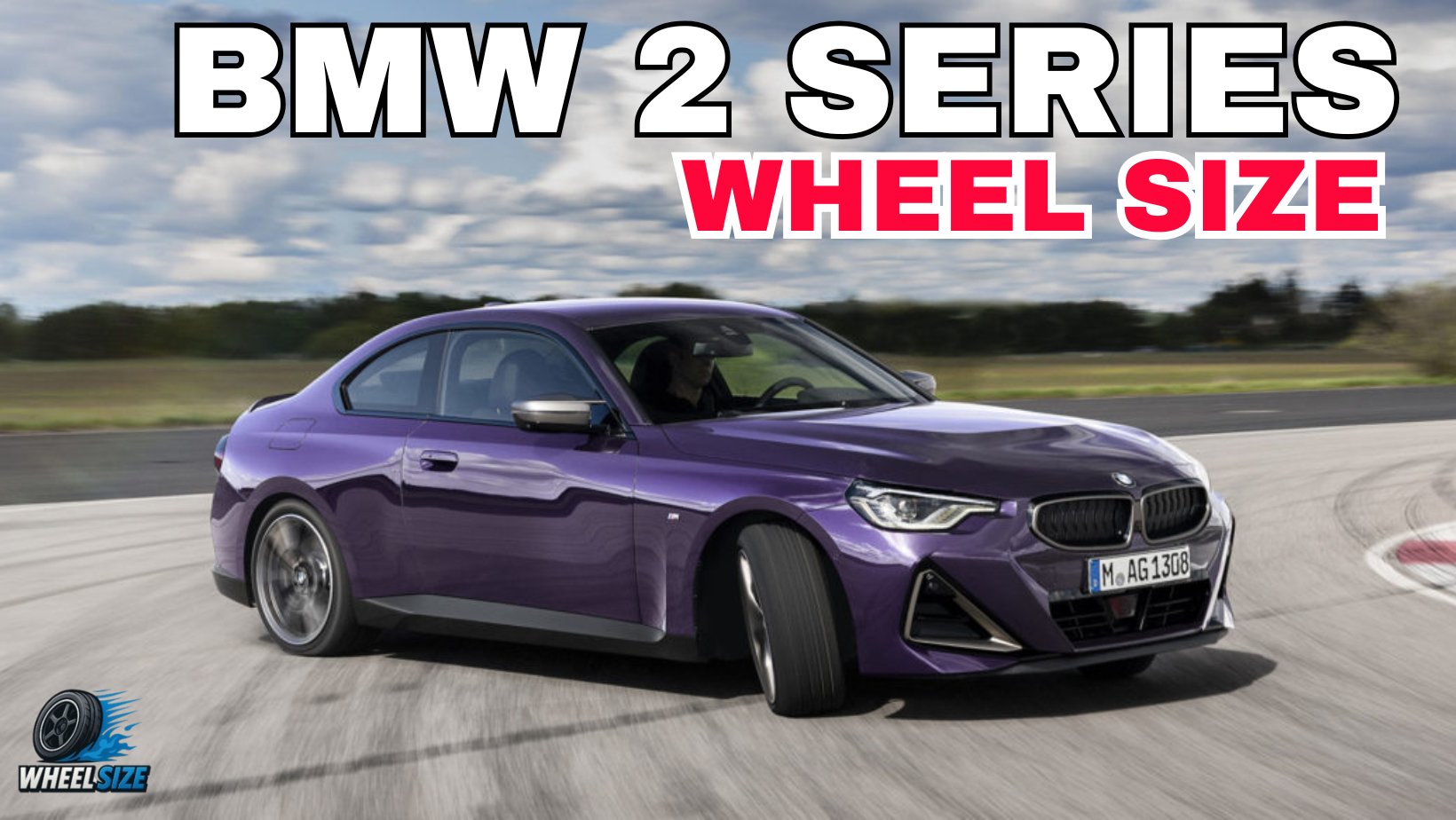
Choosing the right wheels for your BMW 2 Series isn’t just about style—it affects comfort, handling, and how confidently the car sits on the road. Each generation of the 2 Series has different wheel specifications, so taking the time to understand them will help you avoid issues like rubbing, vibration, or uneven tire wear. This guide breaks everything down in a clear and everyday tone, so you can upgrade your wheels with confidence.
Key Factors in Wheel Fitment for the BMW 2 Series
Wheel fitment comes down to how well the wheel physically matches the car’s suspension and hub design. The main elements include bolt pattern, which determines whether the wheel can be mounted, and center bore, which affects how the wheel centers on the hub. Then there’s offset, which influences how the wheel sits relative to the fender and suspension. Width and diameter also matter, because they determine what tire sizes you can safely use. Each of these measurements works together to ensure your wheels don’t stick out too far or sit too close inside the arch. Getting them right creates better handling, a cleaner appearance, and a smoother feel on the road. Understanding these basics will make your wheel shopping much easier.
First Generation BMW 2 Series (F22/F23) Wheel Fitment
The first-generation 2 Series, which includes both the coupe and convertible models, offers a sporty feel with compact proportions. This model responds well to wheels that are balanced between comfort and grip. While original wheel options are generally conservative, the chassis can comfortably support wider wheel setups for drivers who want a more planted stance. The suspension geometry is tuned to keep the steering feel natural, so wheels that maintain the original offset range tend to work best. Whether you are going for a clean OEM+ look or a more aggressive street fitment, choosing sizes that avoid pushing the wheel too far outward helps maintain smooth cornering and avoids rubbing during full steering lock. This generation provides plenty of flexibility for tasteful customization.
Typical OEM Setup
Most F22/F23 models came with modest factory sizes that balance daily drivability with responsive steering. Standard configurations typically feature 17″ or 18″ wheels with tires that provide a mix of comfort and grip. M Sport versions may use slightly wider rears to emphasize performance while still fitting comfortably inside the arches. These setups are designed to handle uneven roads well and keep road noise to a minimum. The OEM sizes act as a safe baseline when deciding what aftermarket wheels to move toward.
Recommended Aftermarket Range
For aftermarket choices, many owners choose to go a bit wider to improve road presence and cornering stability. A well-balanced upgrade for this generation includes slightly wider wheels with offsets that avoid poking past the fender. The goal is to improve stance without compromising turning clearance or suspension travel. Pairing performance tires with these wheels enhances grip and steering feel, making the car feel sharper without harming comfort. The key is choosing thoughtful sizing rather than simply going bigger.
Second Generation BMW 2 Series (G42) Wheel Fitment
The newer G42 2 Series takes on a broader, more modern shape with a wider track and different suspension architecture. Because of this redesign, the wheel specifications differ noticeably from the previous generation. The bolt pattern and center bore changed, meaning older wheels won’t directly fit without adapters. The G42 also comes from the factory with wider wheel options, giving the car a confident stance and strong grip. This generation welcomes larger diameters and more aggressive fitment styles, especially for those who appreciate a bold look. However, with the wider body and more performance-oriented tuning, it’s important to keep offset choices within reasonable limits to avoid rubbing. When chosen carefully, new wheels can highlight the car’s sporty and modern character beautifully.
OEM Wheel Options
Factory setups for the G42 lean sportier right out of the box. Wheel sizes often start at 18 inches and go up to 20 inches on performance trims. The tire profiles used are designed to complement the stiffer suspension and more precise steering. These OEM options give the car a sharp and connected feel to the road. They serve as a solid reference point when exploring aftermarket possibilities, especially for those who want to maintain comfort while improving aesthetics.
Best Aftermarket Fitment Range
For enthusiasts looking to enhance stance and cornering response, slightly wider aftermarket wheels can provide excellent results. Choosing wheels that maintain the natural alignment of the suspension helps the car retain its stable and confident handling. Larger diameters are common upgrades, but selecting the right offset is crucial to avoid fender contact. A correctly chosen setup brings out the G42’s athletic profile while keeping the ride enjoyable. Subtle, well-measured fitment choices always deliver the best long-term results.
Comparing Wheel Fitment Across Generations
Although the F22/F23 and G42 share similar driving intentions, their wheel fitment characteristics differ significantly. The earlier generation uses BMW’s older hub and bolt pattern system, while the newer model adopts the more modern setup used across BMW’s latest lineup. This means wheels are not directly interchangeable between the two. The first generation leans more conservative with fitment, offering a versatile but narrower range of upgrade options. The second generation welcomes larger and wider wheels because of its wider stance and updated suspension geometry. When comparing the two, it’s helpful to consider both appearance and driving feel. Each generation has its strengths, so the ideal wheel upgrade depends on whether the owner values refined agility or bold road presence.
Can You Swap Wheels Between Generations?
In short, the wheels from the first-generation 2 Series will not directly fit the second generation, and vice versa. This is mainly due to changes in bolt pattern and center bore sizing. While adapters exist, they are not ideal for maintaining the car’s steering precision and handling quality. Swapping wheels between generations can lead to improper centering, vibration, or clearance issues that affect how the car drives. If someone really wishes to reuse wheels from another model, professional measurement is essential before making any decisions. It’s usually more effective—and safer—to choose wheels specifically designed for the correct generation. This ensures a perfect fit and avoids the compromises that come from forcing incompatible parts to work together.
Tips for Ensuring Proper Wheel Fitment
When choosing wheels, start by confirming the exact specifications for your model and trim. Measure or verify the bolt pattern, center bore, diameter, width, and offset. Consider how you use the car: daily commuting, spirited weekend drives, or show-style aesthetics. If you plan to lower the suspension, check wheel clearance before committing to aggressive sizing. Always pair wheels with tires suited to your needs, balancing grip and comfort. If you’re unsure about the final setup, test-fit wheels whenever possible, or consult a wheel fitment specialist. Small adjustments like spacer thickness or tire profile changes can make a meaningful difference in fitment quality. Taking your time ensures the result feels natural and performs smoothly in every driving situation.
The Consequences of Incorrect Fitment
When wheels don’t fit properly, the issues show up quickly. Wheels that sit too far outward can rub against the fenders, especially when turning or hitting bumps. Wheels that sit too far inward may interfere with suspension components. Improper offset can negatively affect steering feel, making the car feel vague or unstable at higher speeds. Incorrect center bore or mounting surfaces may cause vibrations through the steering wheel. Over time, these problems can lead to premature tire wear or stress on suspension parts. While improper fitment may look dramatic initially, it usually sacrifices drivability and long-term reliability. A wheel upgrade should always enhance how the car feels, not just how it looks.
Conclusion
Selecting the right wheels for your BMW 2 Series is about balancing style, comfort, and driving performance. Each generation has its own wheel characteristics, so it’s important to choose sizes and specifications that suit your specific model. When fitment is done correctly, the car feels more responsive, more confident, and visually sharper. Take your time, confirm measurements, and choose wheels that complement the car’s natural dynamics. Whether aiming for an elegant OEM+ look or a stronger street presence, thoughtful fitment always leads to better results. With the right setup, your BMW 2 Series will not only look more purposeful on the road, it will drive the way it was meant to — smooth, controlled, and enjoyable.

Post Comment