BMW 7 Series Bolt Pattern, Tire Size, Rim Size, Center Bore and Offsets
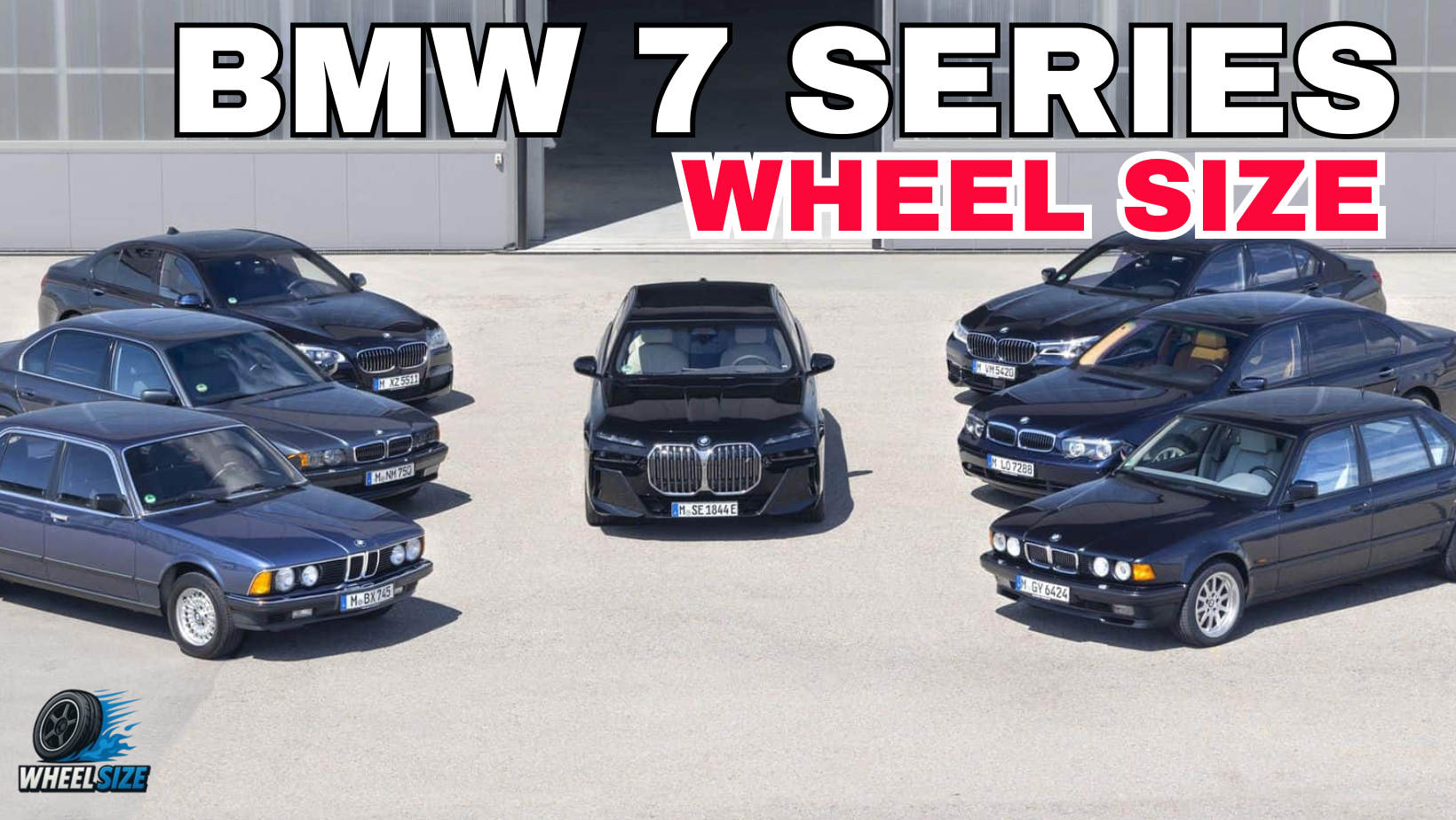
The BMW 7 Series has gone through decades of refinement, and each generation carries its own wheel fitment personality. Choosing the right wheels isn’t just about looks—it affects comfort, handling, and overall road confidence. Every model has its own hub bore, bolt pattern, wheel diameter, and offset range, so picking wheels blindly often leads to rubbing or poor ride quality. This guide walks through each generation from the E23 to the latest G70, giving you exact specs and practical upgrade suggestions. Whether you’re keeping things OEM or stepping into aftermarket setups, the goal is to help you select wheels and tires that feel right, fit correctly, and suit your driving style without creating headaches later on.
BMW 7 Series Wheel Fitment Basics
Before diving into generation-specific details, it’s helpful to understand what makes wheel fitment work on the 7 Series. Most models share BMW’s traditional 5×120 bolt pattern and a 72.6 mm hub bore, though newer platforms have slight changes. The offset (ET) determines how far the wheel sits in or out of the fender, and the 7 Series typically uses moderate positive offsets to maintain comfort and stability. Matching wheel width and tire size is just as important, as a tire that’s too stretched or too tall can cause rubbing. With the right combination of diameter, width, offset, and tire sizing, you can upgrade confidently without sacrificing ride quality or creating clearance issues.
BMW 7 Series Wheel Fitment by Generation
First Generation (E23) – 1977–1986
The E23 runs a 5×120 bolt pattern, 72.6 mm hub bore, and typically accepts wheels in the 14–16 inch range. Factory offsets stay around ET20–ET25, which keeps the stance balanced for its era. Popular upgrades include 16×7 or 17×7.5 wheels paired with 215/60R16 or 225/50R17 tires. The E23 has generous fender space, so moderate upsizing works well as long as the offset doesn’t push the wheel too far outward.
| Year / Model | Hub Bore | Bolt Pattern | Thread Size | OEM Tire Sizes | OEM Rim Sizes | Offset Range | Tire Pressure (Front / Rear) | OEM Wheel Size | Aftermarket Wheel Size |
|---|---|---|---|---|---|---|---|---|---|
| 1977 – BMW 7 Series E23 | 72.6 mm | 5×120 | M12 x 1.5 | 195/70VR14 91V | 6.5Jx14 ET20 | 18 – 22 mm | 2.2 / 2.2 bar | 14″ | 14″ – 16″ |
| 1978 – BMW 7 Series E23 | 72.6 mm | 5×120 | M12 x 1.5 | 195/70VR14 91V | 6.5Jx14 ET20 | 18 – 22 mm | 2.2 / 2.2 bar | 14″ | 14″ – 16″ |
| 1979 – BMW 7 Series E23 | 72.6 mm | 5×120 | M12 x 1.5 | 195/70VR14 91V | 6.5Jx14 ET20 | 18 – 22 mm | 2.2 / 2.2 bar | 14″ | 14″ – 16″ |
| 1980 – BMW 7 Series E23 | 72.6 mm | 5×120 | M12 x 1.5 | 195/70HR14 | 6.5Jx14 ET20 | 18 – 22 mm | 2.2 / 2.2 bar | 14″ | 14″ – 16″ |
| 1981 – BMW 7 Series E23 | 72.6 mm | 5×120 | M12 x 1.5 | 195/70HR14 | 6.5Jx14 ET20 | 18 – 22 mm | 2.2 / 2.2 bar | 14″ | 14″ – 16″ |
| 1982 – BMW 7 Series E23 | 72.6 mm | 5×120 | M12 x 1.5 | 205/70HR14 | 6.5Jx14 ET22 | 18 – 22 mm | 2.2 / 2.4 bar | 14″ | 14″ – 16″ |
| 1983 – BMW 7 Series E23 | 72.6 mm | 5×120 | M12 x 1.5 | 205/70HR14 | 6.5Jx14 ET22 | 18 – 22 mm | 2.3 / 2.5 bar | 14″ | 14″ – 16″ |
| 1984 – BMW 7 Series E23 | 72.6 mm | 5×120 | M12 x 1.5 | 205/70HR14 | 6.5Jx14 ET22 | 18 – 22 mm | 2.3 / 2.5 bar | 14″ | 14″ – 16″ |
| 1985 – BMW 7 Series E23 | 72.6 mm | 5×120 | M12 x 1.5 | 205/70HR14 | 6.5Jx14 ET22 | 18 – 22 mm | 2.3 / 2.5 bar | 14″ | 14″ – 16″ |
| 1986 – BMW 7 Series E23 | 72.6 mm | 5×120 | M12 x 1.5 | 205/70HR14 | 6.5Jx14 ET22 | 18 – 22 mm | 2.3 / 2.5 bar | 14″ | 14″ – 16″ |
Second Generation (E32) – 1986–1994
The E32 continues with the 5×120 pattern and 72.6 mm hub bore, moving into more modern wheel sizing. OEM fitment typically ranges from 15 to 17 inches, while offsets commonly sit between ET15–ET25. Many owners upgrade to 17×8 or 18×8.5 for a cleaner, sharper stance. Tire choices like 235/50R17 or 245/45R18 maintain comfort while improving road feel. The chassis accepts wider wheels without major clearance problems.
| Year / Model | Hub Bore | Bolt Pattern | Thread Size | OEM Tire Sizes | OEM Rim Sizes | Offset Range | Tire Pressure (Front / Rear) | OEM Wheel Size | Aftermarket Wheel Size |
|---|---|---|---|---|---|---|---|---|---|
| 1986 – BMW 7 Series E32 | 72.5 mm | 5×120 | M12 x 1.5 | 225/60ZR15 96W | 7Jx15 ET20 | 18 – 22 mm | 2.0 / 2.2 bar | 15″ | 15″ – 18″ |
| 1987 – BMW 7 Series E32 | 72.5 mm | 5×120 | M12 x 1.5 | 225/60ZR15 96W | 7Jx15 ET20 | 18 – 22 mm | 2.0 / 2.2 bar | 15″ | 15″ – 18″ |
| 1988 – BMW 7 Series E32 | 72.5 mm | 5×120 | M12 x 1.5 | 225/60ZR15 96W | 7Jx15 ET20 | 18 – 22 mm | 2.0 / 2.2 bar | 15″ | 15″ – 18″ |
| 1989 – BMW 7 Series E32 | 72.5 mm | 5×120 | M12 x 1.5 | 225/60ZR15 96W | 7Jx15 ET20 | 18 – 22 mm | 2.0 / 2.2 bar | 15″ | 15″ – 18″ |
| 1990 – BMW 7 Series E32 | 72.5 mm | 5×120 | M12 x 1.5 | 225/60ZR15 96W | 7Jx15 ET20 | 18 – 22 mm | 2.0 / 2.2 bar | 15″ | 15″ – 18″ |
| 1991 – BMW 7 Series E32 | 72.5 mm | 5×120 | M12 x 1.5 | 225/60ZR15 96W | 7Jx15 ET20 | 18 – 22 mm | 2.0 / 2.2 bar | 15″ | 15″ – 18″ |
| 1992 – BMW 7 Series E32 | 72.5 mm | 5×120 | M12 x 1.5 | 225/60ZR15 96W | 7Jx15 ET20 | 18 – 22 mm | 2.0 / 2.2 bar | 15″ | 15″ – 18″ |
| 1993 – BMW 7 Series E32 | 72.5 mm | 5×120 | M12 x 1.5 | 225/60ZR15 96W | 7Jx15 ET20 | 18 – 22 mm | 2.0 / 2.2 bar | 15″ | 15″ – 18″ |
| 1994 – BMW 7 Series E32 | 72.5 mm | 5×120 | M12 x 1.5 | 225/60ZR15 96W | 7Jx15 ET20 | 18 – 22 mm | 2.0 / 2.2 bar | 15″ | 15″ – 18″ |
Third Generation (E38) – 1994–2001
The E38 uses the classic 5×120 bolt pattern and 72.6 mm hub bore, with factory wheels ranging from 16–18 inches. Offset choices usually fall between ET13–ET24, giving the car its wide, planted look. Popular upgrades include 18×8, 19×8.5, or 19×9.5 paired with 235/50R18 or 245/40R19 tires. The E38’s fender design allows staggered setups, and the lower offsets give it a naturally aggressive stance without requiring spacers.
| Year / Model | Hub Bore | Bolt Pattern | Thread Size | OEM Tire Sizes | OEM Rim Sizes | Offset Range | Tire Pressure (Front / Rear) | OEM Wheel Size | Aftermarket Wheel Size |
|---|---|---|---|---|---|---|---|---|---|
| 1994 – BMW 7 Series E38 | 72.6 mm | 5×120 | M12 x 1.5 | 235/60R16 100H | 7.5Jx16 ET20 | 18 – 22 mm | 2.2 / 2.7 bar | 16″ | 16″ – 20″ |
| 1995 – BMW 7 Series E38 | 72.6 mm | 5×120 | M12 x 1.5 | 235/60R16 100H | 7.5Jx16 ET20 | 18 – 22 mm | 2.2 / 2.7 bar | 16″ | 16″ – 20″ |
| 1996 – BMW 7 Series E38 | 72.6 mm | 5×120 | M12 x 1.5 | 235/60R16 100H | 7.5Jx16 ET20 | 18 – 22 mm | 2.2 / 2.7 bar | 16″ | 16″ – 20″ |
| 1997 – BMW 7 Series E38 | 72.6 mm | 5×120 | M12 x 1.5 | 235/60R16 100H | 7.5Jx16 ET20 | 18 – 22 mm | 2.2 / 2.7 bar | 16″ | 16″ – 20″ |
| 1998 – BMW 7 Series E38 | 72.6 mm | 5×120 | M12 x 1.5 | 235/60R16 100H | 7.5Jx16 ET20 | 18 – 22 mm | 2.2 / 2.7 bar | 16″ | 16″ – 20″ |
| 1999 – BMW 7 Series E38 | 72.6 mm | 5×120 | M12 x 1.5 | 235/60R16 100H | 7.5Jx16 ET20 | 18 – 22 mm | 2.2 / 2.7 bar | 16″ | 16″ – 20″ |
| 2000 – BMW 7 Series E38 | 72.6 mm | 5×120 | M12 x 1.5 | 235/60R16 100H | 7.5Jx16 ET20 | 18 – 22 mm | 2.2 / 2.7 bar | 16″ | 16″ – 20″ |
| 2001 – BMW 7 Series E38 | 72.6 mm | 5×120 | M12 x 1.5 | 235/60R16 100H | 7.5Jx16 ET20 | 18 – 22 mm | 2.2 / 2.7 bar | 16″ | 16″ – 20″ |
Fourth Generation (E65/E66) – 2001–2008
The E65/E66 retains the 5×120 bolt pattern and 72.6 mm hub bore, but factory wheels grow to 17–21 inches. BMW used offsets between ET18–ET32, allowing a variety of wheel styles. Upgrades like 20×8.5 and 20×10 work well with tires such as 245/40R20 and 275/35R20. The platform has larger brakes than previous models, so choosing wheels with proper barrel clearance is essential, especially when moving to 20” or 21”.
| Year / Model | Hub Bore | Bolt Pattern | Thread Size | OEM Tire Sizes | OEM Rim Sizes | Offset Range (mm) | Tire Pressure (Front / Rear) | OEM Wheel Size | Aftermarket Wheel Size |
|---|---|---|---|---|---|---|---|---|---|
| 2001 – BMW 7 Series E65/E66 | 72.6 mm | 5×120 | M14 × 1.5 | 245/50ZR18 100W | 8Jx18 ET24 | 22 – 26 | 2.2 / 2.4 bar | 18″ | 18″ – 22″ |
| 2002 – BMW 7 Series E65/E66 | 72.6 mm | 5×120 | M14 × 1.5 | 245/50ZR18 100W | 8Jx18 ET24 | 22 – 26 | 2.2 / 2.4 bar | 18″ | 18″ – 22″ |
| 2003 – BMW 7 Series E65/E66 | 72.6 mm | 5×120 | M14 × 1.5 | 245/50ZR18 100W | 8Jx18 ET24 | 22 – 26 | 2.2 / 2.4 bar | 18″ | 18″ – 22″ |
| 2004 – BMW 7 Series E65/E66 | 72.6 mm | 5×120 | M14 × 1.5 | 245/50ZR18 100W | 8Jx18 ET24 | 22 – 26 | 2.2 / 2.4 bar | 18″ | 18″ – 22″ |
| 2005 – BMW 7 Series E65/E66 | 72.6 mm | 5×120 | M14 × 1.5 | 245/50ZR18 100W | 8Jx18 ET24 | 22 – 26 | 2.2 / 2.4 bar | 18″ | 18″ – 22″ |
| 2006 – BMW 7 Series E65/E66 | 72.6 mm | 5×120 | M14 × 1.5 | 245/50ZR18 100W | 8Jx18 ET24 | 22 – 26 | 2.2 / 2.4 bar | 18″ | 18″ – 22″ |
| 2007 – BMW 7 Series E65/E66 | 72.6 mm | 5×120 | M14 × 1.5 | 245/50ZR18 100W | 8Jx18 ET24 | 22 – 26 | 2.2 / 2.4 bar | 18″ | 18″ – 22″ |
| 2008 – BMW 7 Series E65/E66 | 72.6 mm | 5×120 | M14 × 1.5 | 245/50ZR18 100W | 8Jx18 ET24 | 22 – 26 | 2.2 / 2.4 bar | 18″ | 18″ – 22″ |
Fifth Generation (F01/F02) – 2008–2015
The F01/F02 continues with 5×120 and a 72.6 mm hub bore, with factory fitment ranging from 18–21 inches. Offsets usually fall between ET25–ET35, offering a refined, balanced stance. Popular upgrades include 20×9 and 20×10.5 paired with 245/40R20 and 275/35R20. This chassis handles staggered setups well, and xDrive models prefer conservative offsets to avoid rubbing. The larger wheel arches comfortably support wider wheels for a premium appearance.
| Year / Model | Hub Bore | Bolt Pattern | Thread Size | OEM Tire Sizes | OEM Rim Sizes | Offset Range (mm) | Tire Pressure (F/R) | OEM Wheel Size | Aftermarket Wheel Size |
|---|---|---|---|---|---|---|---|---|---|
| 2008 – BMW 7 Series V (F01/F02/F03/F04) | 72.6 mm | 5×120 | M14 x 1.25 | 245/50ZR18 100Y | 8Jx18 ET30 | 28 – 32 | 2.3 / 2.5 | 18″ | 18″ – 21″ |
| 2009 – BMW 7 Series V (F01/F02/F03/F04) | 72.6 mm | 5×120 | M14 x 1.25 | 245/50ZR18 100Y | 8Jx18 ET30 | 28 – 32 | 2.3 / 2.5 | 18″ | 18″ – 21″ |
| 2010 – BMW 7 Series V (F01/F02/F03/F04) | 72.6 mm | 5×120 | M14 x 1.25 | 245/50ZR18 100Y | 8Jx18 ET30 | 28 – 32 | 2.3 / 2.5 | 18″ | 18″ – 21″ |
| 2011 – BMW 7 Series V (F01/F02/F03/F04) | 72.6 mm | 5×120 | M14 x 1.25 | 245/50ZR18 100Y | 8Jx18 ET30 | 28 – 32 | 2.3 / 2.5 | 18″ | 18″ – 21″ |
| 2012 – BMW 7 Series V (F01/F02/F03/F04) | 72.6 mm | 5×120 | M14 x 1.25 | 245/50ZR18 100Y | 8Jx18 ET30 | 28 – 32 | 2.3 / 2.5 | 18″ | 18″ – 21″ |
| 2013 – BMW 7 Series V (F01/F02/F03/F04) | 72.6 mm | 5×120 | M14 x 1.25 | 245/50ZR18 100Y | 8Jx18 ET30 | 28 – 32 | 2.3 / 2.5 | 18″ | 18″ – 21″ |
| 2014 – BMW 7 Series V (F01/F02/F03/F04) | 72.6 mm | 5×120 | M14 x 1.25 | 245/50ZR18 100Y | 8Jx18 ET30 | 28 – 32 | 2.3 / 2.5 | 18″ | 18″ – 21″ |
| 2015 – BMW 7 Series V (F01/F02/F03/F04) | 72.6 mm | 5×120 | M14 x 1.25 | 245/50ZR18 100Y | 8Jx18 ET30 | 28 – 32 | 2.3 / 2.5 | 18″ | 18″ – 21″ |
Sixth Generation (G11/G12) – 2015–2022
The G11/G12 moves to a 5×112 bolt pattern with a 66.6 mm hub bore, a change from earlier generations. Factory wheels range from 17–21 inches, and offsets typically sit between ET25–ET40. Many owners choose 20×9 and 20×10 or 21×9 and 21×10.5, running tires like 245/40R20 and 275/35R20. The suspension responds well to wider wheels, and the newer bolt pattern expands aftermarket choices significantly.
| Year / Model | Hub Bore | Bolt Pattern | Thread Size | OEM Tire Sizes | OEM Rim Sizes | Offset Range (mm) | Tire Pressure (F/R) | OEM Wheel Size | Aftermarket Wheel Size |
|---|---|---|---|---|---|---|---|---|---|
| 2015 – BMW 7 Series VI (G11/G12) | 66.6 mm | 5×112 | M14 x 1.25 | 225/60ZR17 99Y | 7.5Jx17 ET27 | 25 – 29 | 2.2 / — | 17″ | 17″ – 21″ |
| 2016 – BMW 7 Series VI (G11/G12) | 66.6 mm | 5×112 | M14 x 1.25 | 225/60ZR17 99Y | 7.5Jx17 ET27 | 25 – 29 | 2.2 / — | 17″ | 17″ – 21″ |
| 2017 – BMW 7 Series VI (G11/G12) | 66.6 mm | 5×112 | M14 x 1.25 | 225/60ZR17 99Y | 7.5Jx17 ET27 | 25 – 29 | 2.2 / — | 17″ | 17″ – 21″ |
| 2018 – BMW 7 Series VI (G11/G12) | 66.6 mm | 5×112 | M14 x 1.25 | 225/60ZR17 99Y | 7.5Jx17 ET27 | 25 – 29 | 2.2 / — | 17″ | 17″ – 21″ |
| 2019 – BMW 7 Series VI (G11/G12) | 66.6 mm | 5×112 | M14 x 1.25 | 225/60ZR17 99Y | 7.5Jx17 ET27 | 25 – 29 | 2.2 / — | 17″ | 17″ – 21″ |
| 2020 – BMW 7 Series VI (G11/G12) | 66.6 mm | 5×112 | M14 x 1.25 | 225/60ZR17 99Y | 7.5Jx17 ET27 | 25 – 29 | 2.2 / — | 17″ | 17″ – 21″ |
| 2021 – BMW 7 Series VI (G11/G12) | 66.6 mm | 5×112 | M14 x 1.25 | 225/60ZR17 99Y | 7.5Jx17 ET27 | 25 – 29 | 2.2 / — | 17″ | 17″ – 21″ |
| 2022 – BMW 7 Series VI (G11/G12) | 66.6 mm | 5×112 | M14 x 1.25 | 225/60ZR17 99Y | 7.5Jx17 ET27 | 25 – 29 | 2.2 / — | 17″ | 17″ – 21″ |
Seventh Generation (G70) – 2022–2025
The latest G70 uses a 5×112 bolt pattern and 66.6 mm hub bore, with factory wheel sizes ranging from 19–22 inches. Offsets usually fall within ET28–ET45, depending on trim. Upgrades like 21×9 and 21×10.5 or 22×9 and 22×11 pair well with 255/40R21 and 285/35R21 tires. The model’s larger body and advanced suspension allow comfortable fitment of bigger wheels without compromising ride quality.
| Year / Model | Hub Bore | Bolt Pattern | Thread Size | OEM Tire Sizes (Front / Rear) | OEM Rim Sizes (Front / Rear) | Offset Range (mm) | Tire Pressure (F/R) | OEM Wheel Size | Aftermarket Wheel Size |
|---|---|---|---|---|---|---|---|---|---|
| 2022 – BMW 7 Series VII (G70) | 66.6 mm | 5×112 | M14 x 1.25 | 255/45ZR20 105Y / 285/40ZR20 108Y XL | 9Jx20 ET24 / 10.5Jx20 ET44 | 22–26 (front) / 42–46 (rear) | — | 20″ | 20″–22″ |
| 2023 – BMW 7 Series VII (G70) | 66.6 mm | 5×112 | M14 x 1.25 | 255/45ZR20 105Y / 285/40ZR20 108Y XL | 9Jx20 ET24 / 10.5Jx20 ET44 | 22–26 (front) / 42–46 (rear) | — | 20″ | 20″–22″ |
| 2024 – BMW 7 Series VII (G70) | 66.6 mm | 5×112 | M14 x 1.25 | 255/45ZR20 105Y / 285/40ZR20 108Y XL | 9Jx20 ET24 / 10.5Jx20 ET44 | 22–26 (front) / 42–46 (rear) | — | 20″ | 20″–22″ |
| 2025 – BMW 7 Series VII (G70) | 66.6 mm | 5×112 | M14 x 1.25 | 255/45ZR20 105Y / 285/40ZR20 108Y XL | 9Jx20 ET24 / 10.5Jx20 ET44 | 22–26 (front) / 42–46 (rear) | — | 20″ | 20″–22″ |
| 2026 – BMW 7 Series VII (G70) | 66.6 mm | 5×112 | M14 x 1.25 | 255/45ZR20 105Y / 285/40ZR20 108Y XL | 9Jx20 ET24 / 10.5Jx20 ET44 | 22–26 (front) / 42–46 (rear) | — | 20″ | 20″–22″ |
Best Wheel Sizes for Each Generation
Selecting the best wheel size depends on balancing comfort, performance, and appearance. Older generations like the E23, E32, and E38 benefit from 17–19 inch wheels because the suspension is tuned for taller tire sidewalls. Mid-range generations such as the E65 and F01 perform well with 19–21 inch setups, offering a blend of stability and road presence. Newer models like the G11 and G70 can easily run 20–22 inches, as their suspension technology absorbs impacts better. When matching wheel width and diameter, always confirm the correct hub bore and bolt pattern to prevent vibration. Pairing the recommended tire sizes also ensures speedometer accuracy and consistent handling.
Aftermarket Wheel Upgrade Tips
Upgrading wheels on a 7 Series should be done with care, especially since these cars are built for comfort and smoothness. Lightweight wheels reduce strain on suspension components and improve steering response, while forged options provide strength for larger diameters. Always verify the correct offset to avoid rubbing on inner arches or suspension arms. A square setup improves rotation and tire life, while a staggered setup enhances rear-end grip and visual presence. Using proper lug bolt lengths and torque specs keeps everything secure. If you’re adding spacers, choose hub-centric ones to avoid vibration. Matching the right tire brand also helps maintain the refined ride the 7 Series is known for.
Lightweight Wheels vs OEM
Switching to lightweight wheels reduces rotational mass, helping the car feel livelier during acceleration and braking. Although OEM wheels are durable, they’re often heavier. A high-quality aftermarket lightweight wheel can improve response without sacrificing comfort. Just confirm the correct bolt pattern, hub bore, and offset. On heavier 7 Series models, even a small reduction in wheel weight makes long-distance driving smoother and less taxing on the suspension.
Best Tire Brands for Comfort & Performance
The 7 Series works best with premium tires designed for comfort, quietness, and stable handling. Brands like Michelin, Pirelli, and Continental offer strong options that maintain the refined feel of the car. Choosing the right load rating is crucial due to the vehicle’s weight. A well-matched tire size prevents unnecessary stress on suspension components and ensures a relaxed, controlled driving experience on highways and city roads alike.
Staggered vs Square Setup
A staggered setup provides a wider rear tire, improving grip and giving the 7 Series a more assertive stance. It’s ideal for larger engines and drivers who want better stability at high speeds. A square setup keeps all tires the same size, offering easier rotation and longer tread life. Both work well, but choosing the right one depends on your driving habits and how you prefer the car to feel on the road.
Proper Lug Bolt Sizes
Using the correct lug bolt length and thread pitch is essential for safety. Most 7 Series models use M14×1.25 bolts on newer platforms and M12×1.5 on older ones. Always ensure the bolt seats properly against the wheel, and avoid extended bolts unless you’re using spacers. Proper torque application helps maintain a vibration-free ride and keeps the wheel securely mounted during high-speed driving or long-distance travel.
Suspension & Spacer Recommendations
If you’re considering spacers, make sure they’re hub-centric to match the BMW hub bore, avoiding wheel wobble. Slightly lowering the suspension can enhance the stance, but it’s important to maintain wheel clearance, especially with larger diameters. Moderate spacer sizes—usually 3 mm to 12 mm—help achieve a flush fit. Always recheck alignment after installing new wheels or spacers to keep the car driving straight and smooth.
Conclusion
Choosing the right wheels for your BMW 7 Series can completely transform the driving experience, but the key is pairing the correct specs with your individual model. From the early E23 to the latest G70, each generation has its own bolt pattern, hub bore, offset range, and wheel size flexibility. Following these guidelines ensures your upgrade improves stability, comfort, and style without compromising safety. With the right combination of wheels and tires, your 7 Series maintains its signature balance of elegance and performance. Whether you want a subtle upgrade or a bold new look, proper fitment is the foundation of a satisfying result.

Post Comment