BMW i4 Bolt Pattern, Tire Size, Rim Size, Center Bore and Offsets
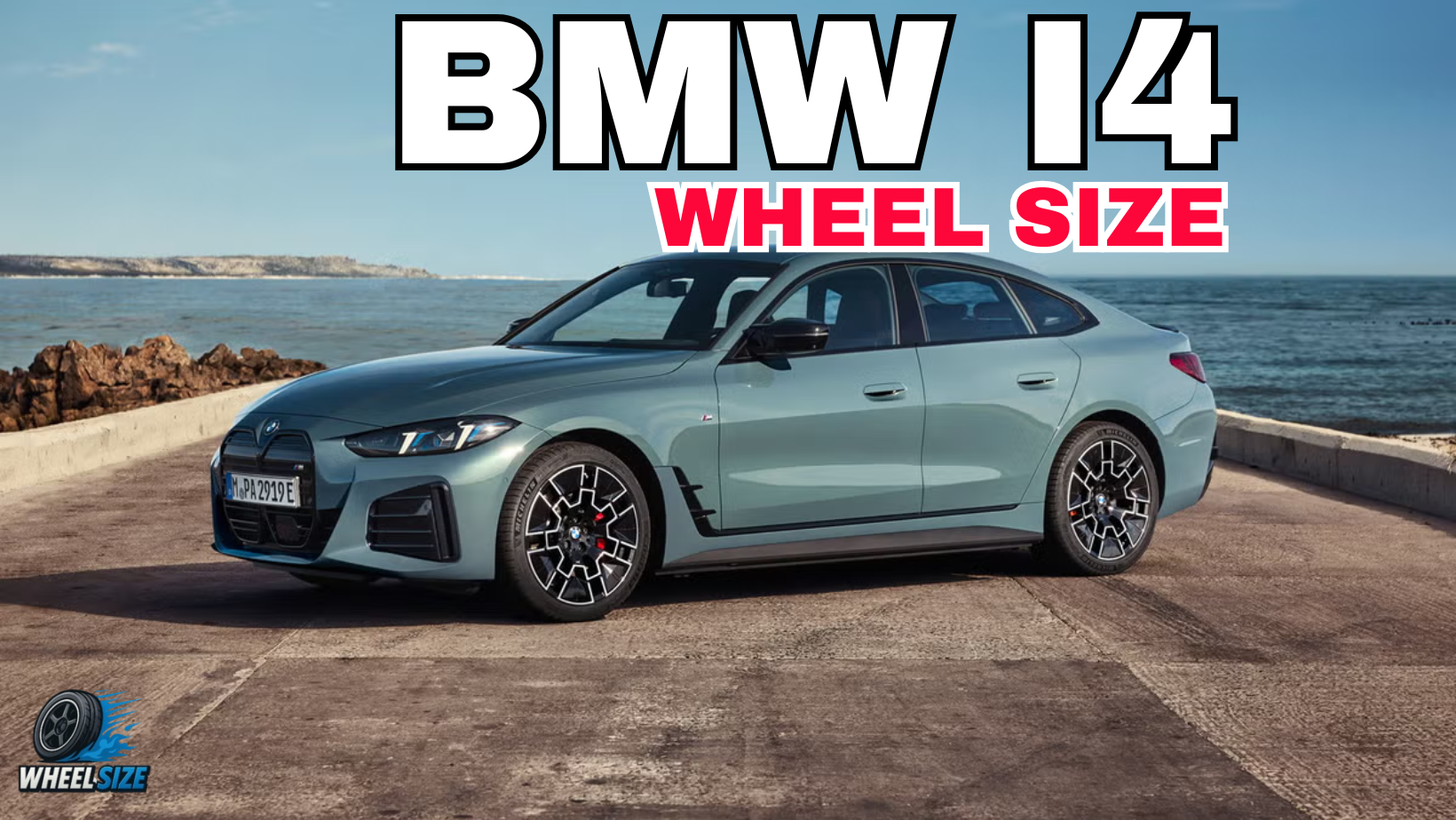
The BMW i4 is sporty and efficient with electricity. The appropriate wheel arrangement makes a major difference in how the car feels on the road. It’s not just about how the car looks when the wheels are properly fitted; it also impacts how it handles, how comfortable it is to ride in, how loud it is, and even how far it can go. The i4 comes in multiple trims and two generations, so knowing exactly what wheels you need lets owners pick the right setup without worrying about rubbing, vibration, or losing efficiency. This guide has all the information you need regarding the BMW i4 G26 and the revised G26 LCI’s wheel and tire specifications. It also has useful tips for upgrades, daily driving, and performance-focused settings.
BMW i4 Wheel Fitment Basics
It’s considerably easier and safer to upgrade or replace the wheels on a BMW i4 if you know the basics of how to fit wheels. Here are the most important things that every owner should know:
- Bolt Pattern (PCD): Ensures the wheel mounts properly to the hub.
- Center Bore / Hub Bore: Keeps the wheel centered for smooth, vibration-free driving.
- Wheel Fasteners & Thread Size: Determines how securely the wheel attaches to the hub.
- Recommended Wheel Torque: Helps prevent loosening or overtightening of bolts.
- Offset (ET): Affects how the wheel sits within the arch and influences handling.
- Wheel Size Influence: Impacts range, ride comfort, and overall performance.
These things all work together to determine how well a wheel fits and how well the i4 drives on the road.
BMW i4 Generations
The two models of the BMW i4 have the same basis, but they are different in ways that affect the options of wheels. The first G26 came out with a clean electric look and the same proportions as a regular BMW Gran Coupe. The LCI update brought changes to the car’s looks, aerodynamics, and equipment packages. Some trims also got new brake parts, which can change how much space is between the wheels. These adjustments aren’t big, but they’re vital to think about when picking aftermarket wheels, especially ones with bigger diameters. Knowing the changes between the G26 and G26 LCI helps you choose wheels that not only fit the hub and suspension correctly, but also complement the new look and functional improvements that come with the facelift.
BMW i4 G26 (2021–2024) Wheel Fitment
The BMW i4 G26, which was made from 2021 to 2024, has a flexible wheel arrangement that strikes a good compromise between comfort, efficiency, and athletic look. The normal bolt pattern is 5×112, and the hub bore is 66.6 mm. This makes sure that the wheels fit tightly and are stable at high speeds. The best offset range is usually between ET33 and ET45. This keeps the wheels flush with the arches without rubbing against the suspension parts. The factory wheels range in size from 18 to 20 inches, and the tires that go with each trim level are the best size for that trim level to keep the ride smooth and the EV efficient. Owners can also look into aftermarket upgrades within these limits to improve the look of the car, get better traction, or slightly widen the stance while keeping the right clearance and handling.
| Year / Model | Hub Bore | Bolt Pattern | Thread Size | OEM Tire Sizes (Front / Rear) | OEM Rim Sizes (Front / Rear) | Offset Range (mm) | OEM Wheel Size | Aftermarket Wheel Size |
|---|---|---|---|---|---|---|---|---|
| 2021 – BMW i4 (G26) | 66.6 mm | 5×112 | M14 x 1.25 | 245/40ZR19 98Y / 255/40ZR19 100Y XL | 8.5Jx19 ET35 / 9Jx19 ET42 | 33–37 (front) / 40–44 (rear) | 19″ | 19″–21″ |
| 2022 – BMW i4 (G26) | 66.6 mm | 5×112 | M14 x 1.25 | 245/40ZR19 98Y / 255/40ZR19 100Y XL | 8.5Jx19 ET35 / 9Jx19 ET42 | 33–37 / 40–44 | 19″ | 19″–21″ |
| 2023 – BMW i4 (G26) | 66.6 mm | 5×112 | M14 x 1.25 | 245/40ZR19 98Y / 255/40ZR19 100Y XL | 8.5Jx19 ET35 / 9Jx19 ET42 | 33–37 / 40–44 | 19″ | 19″–21″ |
| 2024 – BMW i4 (G26) | 66.6 mm | 5×112 | M14 x 1.25 | 245/40ZR19 98Y / 255/40ZR19 100Y XL | 8.5Jx19 ET35 / 9Jx19 ET42 | 33–37 / 40–44 | 19″ | 19″–21″ |
BMW i4 G26 LCI (2024–2026+) Wheel Fitment
The BMW i4 G26 LCI, which will be available starting in 2024, keeps most of the original G26 platform but makes small changes that impact wheel choices. The bolt pattern is still 5×112, and the hub bore is 66.5 mm, so it will work with both OEM and aftermarket wheels. The best offset range is ET35 to ET45. This lets the wheels seat right without getting in the way of the suspension or new brake parts. Factory wheels come in sizes of 18, 19, and 20 inches, and each size comes with tires that are meant to keep the ride comfortable, the handling good, and the electric range long. The LCI’s new look encourages owners to try out sleek, modern wheel designs while still making sure there is enough space and a balanced stance for both everyday driving and sporty configurations.
| Year / Model | Hub Bore | Bolt Pattern | Thread Size | OEM Tire Sizes (Front / Rear) | OEM Rim Sizes (Front / Rear) | Offset Range (mm) | OEM Wheel Size | Aftermarket Wheel Size |
|---|---|---|---|---|---|---|---|---|
| 2024 – BMW i4 (G26) LCI | 66.6 mm | 5×112 | M14 x 1.25 | 245/40ZR19 98Y / 255/40ZR19 100Y XL | 8.5Jx19 ET35 / 9Jx19 ET42 | 33–37 (front) / 40–44 (rear) | 19″ | 19″–21″ |
| 2025 – BMW i4 (G26) LCI | 66.6 mm | 5×112 | M14 x 1.25 | 245/40ZR19 98Y / 255/40ZR19 100Y XL | 8.5Jx19 ET35 / 9Jx19 ET42 | 33–37 / 40–44 | 19″ | 19″–21″ |
| 2026 – BMW i4 (G26) LCI | 66.6 mm | 5×112 | M14 x 1.25 | 245/40ZR19 98Y / 255/40ZR19 100Y XL | 8.5Jx19 ET35 / 9Jx19 ET42 | 33–37 / 40–44 | 19″ | 19″–21″ |
Best Wheel Sizes for Daily Driving vs Performance
The ideal wheel size for the BMW i4 depends on whether you want comfort, efficiency, or dynamic handling the most. 18-inch wheels are great for everyday driving because they make the ride smoother, make less noise on the road, and don’t affect the range of the electric vehicle. A 19-inch configuration is a good mix of style and performance. It makes cornering a little sharper while still being comfortable and efficient. Drivers who want a sportier feel could choose 20-inch wheels. These wheels improve handling and give the car a more aggressive stance, but they might somewhat lower the range. The option also relies on the drivetrain: rear-wheel drive can manage staggered installations, whereas xDrive models work better with square setups. Choosing the proper size makes sure that both the look and the way the car drives are as good as they can be.
Best for Comfort & Efficiency
The best size of wheels for everyday use is 18 inches. They give a smooth ride and don’t have much of an influence on the i4’s range. They have softer sidewalls that absorb shocks better and lower rotational mass, which helps keep the battery working well. This size is perfect for owners who want to commute quietly and efficiently while still having adequate traction and handling. It is the safest and most cost-effective alternative for long-term daily driving.
Best for Balanced Performance
19-inch wheels are a good mix of style, comfort, and sporty handling. They make the car respond better when turning while yet keeping the ride quality and efficiency at a respectable level. This size is good for both the eDrive40 and M50 trims. It gives the wheels a small increase over the factory ones. Drivers gain the cosmetic and performance benefits of a bigger wheel without making it hard to use every day or cutting down on the range of the electric vehicle.
Best Aggressive / Sporty Setup
20-inch wheels make the car seem more aggressive and handle better, especially on the M50 and M60 versions. They make the steering more responsive and the car more stable at high speeds, but they might make the road noise a little louder and the range a little shorter. These wheels are great for owners who want a performance-oriented look or a configuration that can handle the track. However, it’s crucial to choose lightweight designs to make up for the extra weight and keep as much efficiency as possible.
Square vs Staggered
For xDrive vehicles, square layouts, where the front and rear wheels are the same size, are best since they make handling consistent. Staggered configurations, which have bigger rear wheels, make RWD trims’ rear traction better and make the car seem better. Both arrangements have pros and cons: square setups are more predictable, while staggered setups look sportier and have more rear grip. Which one you choose will depend on your powertrain and aesthetic preferences.
Aftermarket Wheel Fitment Recommendations
Aftermarket wheels let i4 owners change the look and performance of their cars, but they need to be careful when choosing them to avoid problems with clearance or efficiency. Wheels that fit flush and stay inside ET35-45 don’t rub against suspension parts and keep the look neat. Aggressive setups with wheels that are a little wider or have lower offsets might improve stance and cornering, but they can need little changes or spacers. To keep the EV’s range, it’s best to use lightweight wheels, and the right spoke designs make sure the brakes have enough space. If you have a lowered i4, you should carefully check the inner arch clearance to make sure it doesn’t rub. Stay away from wheels that are wider than the recommended width or have very high offsets, as these might make handling and safety worse. In general, a good aftermarket wheel makes the i4 look better and work better while keeping it stable and trustworthy.
Tire Size Breakdown for BMW i4
Choosing the proper tire size for the BMW i4 is very important for keeping it safe, efficient, and performing well. Stock tires are best for each trim: eDrive35, eDrive40, M50, and M60. They strike a balance between grip, rolling resistance, and ride comfort. Plus-sizing can make things look better or help with cornering, but the height of the sidewall should stay the same so that the speedometer and ride quality don’t change. Low rolling resistance tires that are made for electric vehicles help keep the range while also offering grip and quiet operation. Run-flat tires can provide you peace of mind, but they might make your car heavier. Choosing the correct tire width, profile, and compound will make sure that the i4 works well in all conditions and helps the car’s electric efficiency and handling.
Stock Tire Sizes by Trim
The tires on each i4 variant are the right size for the wheels and the performance they are meant to have. eDrive35 models focus on efficiency by using tires that are smaller and have less rolling resistance. The eDrive40 and M50 trims strike a good compromise between comfort and grip. The M60 variations, on the other hand, have wider, sportier tires for the best traction. Following the stock guidelines makes sure that everything is handled correctly, stops rubbing, and keeps the EV range without sacrificing ride quality or stability.
Recommended Plus-Sizes
Plus-sizing lets you have bigger wheels with lower-profile tires, which makes handling sharper and gives the car a sportier look. For instance, changing from 18-inch wheels to 19-inch or 20-inch wheels might make the car handle better and look better. You need to keep the overall tire diameter the same so that it doesn’t change the speedometer readings, riding comfort, or EV economy.
EV-Optimised Tire Recommendations
Tires that are suited for electric vehicles (EVs) lower rolling resistance, keep the battery range, and keep the interior quiet. They usually have different tread patterns and are made of lighter materials. Choosing tires made just for electric vehicles makes sure that the BMW i4 handles well and is efficient while yet giving it enough grip in both wet and dry weather.
Run-Flat vs Non-Run-Flat for the BMW i4
Run-flat tires let you drive safely after a flat tire, but they are heavier and may significantly lower your range. Non-run-flat tires are lighter, which makes them more efficient and comfortable to ride in, but you need a spare or repair kit. It depends on your priorities: safety and convenience or efficiency and smoothness.
Last Thoughts
Picking the correct wheels and tires for the BMW i4 is about more than simply looks. The right fit can change how well your car handles, how comfortable it is to travel in, how much space there is for the brakes, and even how far it can go on electric power. The G26 and G26 LCI generations both allow for OEM and aftermarket improvements, however it’s important to pay attention to the bolt pattern, hub bore, offset, and wheel size. Choosing tires that strike a mix between grip, efficiency, and comfort will make the car work best. Understanding the basics of fitting helps keep the i4’s refined driving character, safety, and efficiency, whether you choose daily-friendly 18-inch wheels, balanced 19-inch sets, or aggressive 20-inch sports combinations. Owners can get both style and performance without having to give up one for the other if they plan carefully.

Post Comment