BMW i7 Bolt Pattern, Tire Size, Rim Size, Center Bore and Offsets
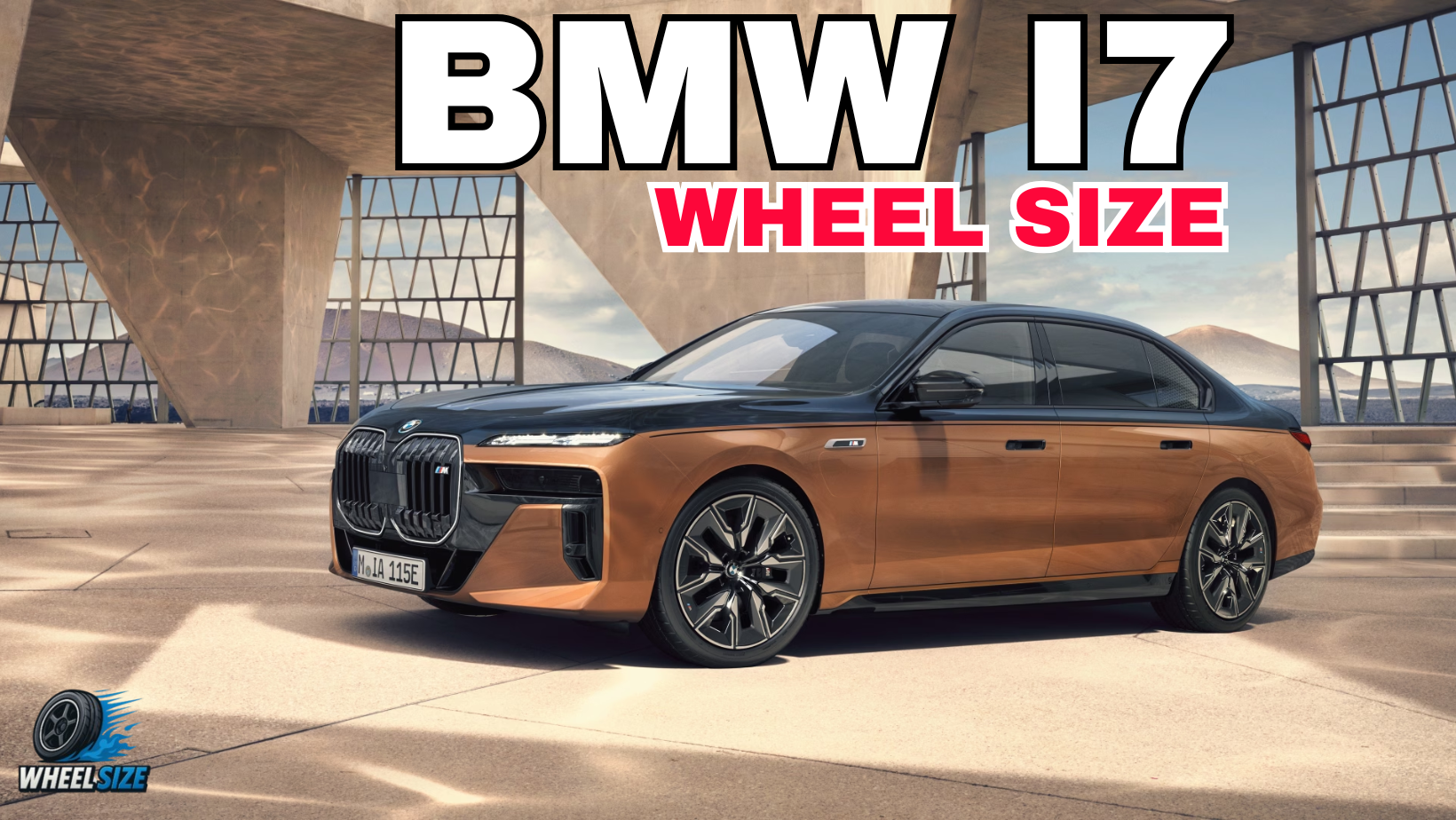
The BMW i7 G70 marks the company’s foray into the realm of full-size electric luxury, and it’s a serious contender. Launched in 2022, this iteration boasts a longer wheelbase, a heftier curb weight, and considerably larger brakes compared to earlier 7 Series models. Consequently, getting the wheel fitment just right is absolutely critical.
The i7’s platform stays the same from 2022 through 2026, which means the suspension design and hub dimensions are unchanged. That said, the factory wheels saw some tweaks in width, offset, and tire selection over the years, all aimed at finding the right balance between ride comfort, fuel economy, and looks. If you’re sticking with the original equipment or considering aftermarket options, knowing how the i7’s size and weight impact fitment is key to avoiding any clearance problems and making sure the load is properly supported.
BMW i7 Wheel Fitment Basics
Bolt pattern refers to how the wheel mounts to the hub; offset controls how far the wheel sits inward or outward; center bore ensures the wheel sits perfectly centered on the hub. On a vehicle as heavy as the i7, load rating is just as important as size. Incorrect offset can cause rubbing, steering vibration, or uneven tire wear. Understanding these basics makes choosing wheels much easier and prevents costly mistakes, especially when upgrading to larger diameters or wider setups.
BMW i7 Wheel Fitment Specifications (2022–2026)
All BMW i7 models from 2022 to 2026 share the same core hub measurements. The bolt pattern is 5×112, and the hub bore measures 66.6 mm, which is standard across modern BMW platforms. Factory wheel offsets generally range from ET22 to ET46, depending on wheel width and trim level. OEM wheel diameters vary between 19 and 21 inches, with staggered setups being common on higher trims. These specifications provide a solid foundation for selecting aftermarket wheels without compromising ride quality or suspension clearance. BMW designed the i7 with a focus on quiet operation and efficiency, which is why the factory tire sizes emphasize sidewall comfort. The stock tires usually fall within a width range of 245 to 285, depending on the specific configuration. Square setups are often preferred for even tire wear and winter driving, while staggered arrangements enhance the car’s appearance and rear-wheel traction. Any tire change should keep the overall rolling diameter consistent to prevent problems with the speedometer and driver-assist features.
| Year | Hub Bore (mm) | Bolt Pattern | Thread Size | Front Tire | Rear Tire | Front Rim | Rear Rim | Offset Range (mm) | Pressure (bar) |
|---|---|---|---|---|---|---|---|---|---|
| 2023 | 66.6 | 5×112 | M14 x 1.25 | 255/40 ZR21 102Y | 285/35 ZR21 105Y XL | 9Jx21 ET24 | 10.5Jx21 ET44 | 22–26 / 42–46 | 2.6 / 2.9 |
| 2024 | 66.6 | 5×112 | M14 x 1.25 | 255/40 ZR21 102Y | 285/35 ZR21 105Y XL | 9Jx21 ET24 | 10.5Jx21 ET44 | 22–26 / 42–46 | 2.6 / 2.9 |
| 2025 | 66.6 | 5×112 | M14 x 1.25 | 255/40 ZR21 102Y | 285/35 ZR21 105Y XL | 9Jx21 ET24 | 10.5Jx21 ET44 | 22–26 / 42–46 | 2.6 / 2.9 |
| 2026 | 66.6 | 5×112 | M14 x 1.25 | 255/40 ZR21 102Y | 285/35 ZR21 105Y XL | 9Jx21 ET24 | 10.5Jx21 ET44 | 22–26 / 42–46 | 2.6 / 2.9 |
BMW i7 Wheel Fitment by Model Year
BMW i7 Wheel Fitment – 2022
The 2022 BMW i7 was the first of its kind. It features a 5×112 bolt pattern, a 66.6 mm hub bore, and factory offsets that average ET30. The stock wheels were typically 19 or 20 inches, prioritizing comfort and range. Aftermarket wheels should remain within the factory offset specifications to prevent contact with the suspension, particularly because of the large brake components.
BMW i7 Wheel Fitment – 2023
In 2023, BMW broadened its wheel design offerings, though the core fitment details stayed the same. The bolt pattern is still 5×112, the hub bore is 66.6 mm, and offsets typically range from ET28 to ET32. Staggered setups gained traction, thanks to the increasing prevalence of wider rear wheels. Clearance is usually adequate, provided the offsets are close to the original equipment manufacturer (OEM) specifications.
BMW i7 Wheel Fitment – 2024
The 2024 i7 maintains its mechanical consistency, which streamlines the wheel selection process. The 5×112 bolt pattern, 66.6 mm hub bore, and ET25–ET35 offset range remain unchanged. This year, 21-inch wheels became more popular, necessitating careful offset choices to preserve ride quality and prevent fender interference.
BMW i7 Wheel Fitment – 2025
In 2025, BMW tweaked the suspension, but the hub geometry stayed the same. The bolt pattern is still 5×112, the hub bore is 66.6 mm, and the factory offsets are generally around ET30. This year’s design leans towards wider wheels with more conservative offsets, which is perfect for high-end aftermarket forged wheels that lighten the load.
BMW i7 Wheel Fitment – 2026
The 2026 i7 is fully compatible with earlier models. The wheel specifications haven’t changed: 5×112 bolt pattern, 66.6 mm hub bore, and offsets ranging from ET25 to ET35. This consistency means owners can swap wheels between model years without any adjustments, as long as the load ratings are appropriate.
Recommended Aftermarket Wheel Sizes for BMW i7
19-Inch Wheel Fitment
Nineteen-inch wheels are a good choice if you’re after a smooth ride and the longest distance possible. They work well with tires that have a taller sidewall, which helps absorb bumps and protects against potholes. This size is best with offsets around ET30, making it a solid option for everyday driving or winter tires.
20-Inch Wheel Fitment
Twenty-inch wheels offer a nice blend of style and function. They fill the wheel wells nicely without making the ride too harsh. Choosing the right offset is key to avoiding any rubbing, even when the steering is turned all the way.
21-Inch Wheel Fitment
A 21-inch setup gives the i7 a more commanding look while still keeping things comfortable. Staggered wheel configurations are a popular choice, and getting the offset just right is key to keeping everything clear of the suspension.
22-Inch Wheel Fitment
Twenty-two-inch wheels make a statement, but they demand some forethought. Lower-profile tires and the right offsets are vital to prevent a jarring ride and any clearance problems.
BMW i7 Staggered vs Square Wheel Setup
Staggered setups can improve rear grip and create a more visually appealing stance, particularly on the more powerful models. Square setups make tire rotation easier and can sometimes boost efficiency. Both approaches work on the i7, provided the offsets and load ratings are appropriate. Ultimately, your driving preferences should dictate the decision.
BMW i7 Wheel Offset & Clearance: A Quick Look
Offset is key to how a wheel sits on the car – flush or tucked in. To prevent rubbing and safeguard your suspension, stick to the ET20–ET35 range. A lower offset pushes the wheel out, while a higher one pulls it in. Always double-check clearance with brake and suspension parts.
Winter Wheels & Tires for the BMW i7
For winter driving, smaller wheels and taller tires are the way to go. A square 19-inch setup is a good choice, offering better traction and protecting your wheels from those nasty potholes. Make sure you have the right load ratings, and consider narrower tires to keep control in snow and slush.
Common BMW i7 Wheel Fitment Issues
Most problems come from incorrect offsets or low load ratings. Vibration often results from non-hub-centric wheels without proper rings. Spacers should only be used when absolutely necessary and with extended bolts.
Final Thoughts
Choosing the right wheels for your BMW i7 G70 is more than just an aesthetic decision—it directly affects safety, handling, and overall driving experience. With consistent hub specifications, bolt pattern (5×112), and hub bore (66.6 mm) across all model years from 2022 to 2026, selecting compatible OEM or aftermarket wheels is straightforward, as long as offsets (ET25–ET35) are respected. Whether you prefer a 19-inch setup for comfort, 21-inch for a sporty stance, or a staggered arrangement for enhanced traction, careful attention to fitment ensures optimal performance, prevents rubbing, and maintains the luxury ride quality that defines the BMW i7. Properly fitted wheels also help preserve battery efficiency, protect suspension components, and allow for safe tire rotation, making your investment in the car both practical and stylish.

Post Comment