BMW M3 Bolt Pattern, Tire Size, Rim Size, Center Bore and Offsets
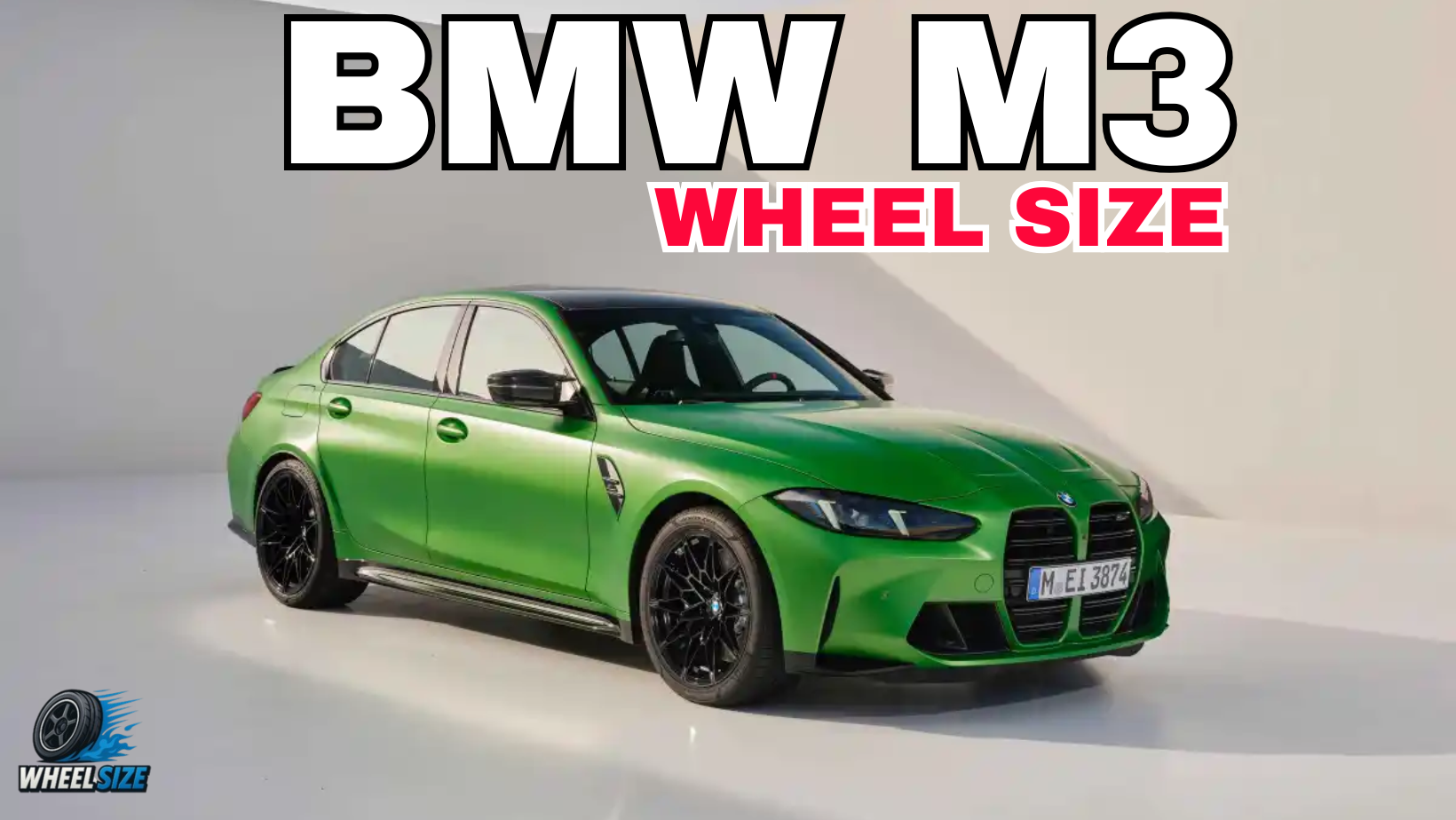
For years, the BMW M3 has set the standard for performance, a blend of engineering excellence and pure driving pleasure. Wheels, however, are about more than just looks; they affect how the car handles, how safe it is, and how comfortable the ride feels. Choosing the right fitment is key to getting the best grip on the road, responsive steering, and tires that last. Whether you’re behind the wheel of a brand-new G80 LCI or a vintage E30, knowing the wheel specs is crucial. This guide covers every generation, detailing bolt patterns, center bores, rim sizes, offsets, tire choices, and lug nut types. It’s designed to help enthusiasts make smart choices, whether they’re upgrading their wheels or simply replacing old ones, for both factory and aftermarket setups.
BMW M3 Wheel Fitment Overview
Getting the right wheel fitment is about more than just the size. The bolt pattern (PCD) determines how the wheel connects to the hub, and the center bore is what keeps the wheel perfectly centered.
Rim width, diameter, and offset all play a role in how much space is available around brakes and suspension parts. The size of the tires themselves influences how well the car grips the road and how it handles. Proper lug nut specifications are also critical for secure wheel attachment. Overlooking any of these details can result in annoying vibrations, premature tire wear, and, most importantly, safety issues. This guide provides a detailed look at each M3 generation, offering recommended rim sizes, offsets, tire choices, and fastener details. It’s a must-read for M3 owners who want to maintain both performance and visual appeal.
BMW M3 Wheel Fitment by Generation
BMW M3 G80/G81 LCI (2024–2026)
The newest M3 LCI sticks with a 5×112 bolt pattern and a 66.6 mm center bore. Suggested rim sizes range from 19” to 20”, with offsets between ET25 and ET40. For optimal grip and stability, staggered tire setups are common, such as 275/35R19 tires in front and 285/30R20 tires in the rear. Lug bolts are used to firmly attach the wheels to the hubs.
| Year | Hub Bore (mm) | Bolt Pattern | Thread Size | Front Tire | Rear Tire | Front Rim | Rear Rim | Offset Range (mm) | Pressure (bar) |
|---|---|---|---|---|---|---|---|---|---|
| 2024 | 66.5 | 5×112 | M14 x 1.25 | 275/40 ZR18 103Y | 285/35 ZR19 103Y XL | 9.5Jx18 ET20 | 10.5Jx19 ET20 | 18–22 / 18–22 | 2.4 / 2.6 |
| 2025 | 66.5 | 5×112 | M14 x 1.25 | 275/40 ZR18 103Y | 285/35 ZR19 103Y XL | 9.5Jx18 ET20 | 10.5Jx19 ET20 | 18–22 / 18–22 | 2.4 / 2.6 |
| 2026 | 66.5 | 5×112 | M14 x 1.25 | 275/40 ZR18 103Y | 285/35 ZR19 103Y XL | 9.5Jx18 ET20 | 10.5Jx19 ET20 | 18–22 / 18–22 | 2.4 / 2.6 |
With refinements to suspension and aerodynamics, maintaining proper offset ensures no interference with fenders or brakes. High-performance tires matched to rim width enhance handling and road feel. Modern wheel options provide both visual impact and track-capable performance, staying true to the M3 legacy.
BMW M3 G80/G81 LCI (2022–2024)
The LCI version maintains a 5×112 bolt pattern and 66.6 mm center bore, with rim sizes between 19” and 20” and offsets ET25–ET40. Tire sizes are typically 275/35R19 front and 285/30R20 rear, ensuring a staggered stance for optimal traction. Lug bolts provide secure wheel attachment. These updated models benefit from improved suspension geometry, so correct offset prevents rubbing on fenders and suspension components. Lightweight, high-performance alloys complement braking and handling, while proper tire selection preserves ride quality. Enthusiasts appreciate the balance between aggressive styling and dynamic performance that this generation offers.
| Year | Hub Bore (mm) | Bolt Pattern | Thread Size | Front Tire | Rear Tire | Front Rim | Rear Rim | Offset Range (mm) | Pressure (bar) |
|---|---|---|---|---|---|---|---|---|---|
| 2022 | 66.5 | 5×112 | M14 x 1.25 | 275/40 ZR18 103Y | 285/35 ZR19 103Y XL | 9.5Jx18 ET20 | 10.5Jx19 ET20 | 18–22 / 18–22 | 2.4 / 2.6 |
| 2023 | 66.5 | 5×112 | M14 x 1.25 | 275/40 ZR18 103Y | 285/35 ZR19 103Y XL | 9.5Jx18 ET20 | 10.5Jx19 ET20 | 18–22 / 18–22 | 2.4 / 2.6 |
| 2024 | 66.5 | 5×112 | M14 x 1.25 | 275/40 ZR18 103Y | 285/35 ZR19 103Y XL | 9.5Jx18 ET20 | 10.5Jx19 ET20 | 18–22 / 18–22 | 2.4 / 2.6 |
BMW M3 G80 (2020–2022)
The G80 M3 utilizes a 5×112 bolt pattern and a 66.6 mm center bore, aligning with modern high-performance design principles. Recommended wheel dimensions span from 19” to 20”, with offsets ranging from ET25 to ET40. Front tires are generally 275/35R19, while rear tires are 285/30R20, thereby implementing a staggered configuration to maximize traction. The wheels are affixed to the hub via lug bolts. An appropriate offset is crucial for ensuring adequate brake clearance and preventing fender contact. The G80 demonstrates excellent handling characteristics with wide rims and low-profile tires, delivering precise steering feedback. Furthermore, the vehicle’s balance between track capabilities and everyday practicality is maintained through the use of high-quality tires that are appropriately matched to the rim width.
| Year | Hub Bore (mm) | Bolt Pattern | Thread Size | Front Tire | Rear Tire | Front Rim | Rear Rim | Offset Range (mm) | Pressure (bar) |
|---|---|---|---|---|---|---|---|---|---|
| 2020 | 66.5 | 5×112 | M14 x 1.25 | 275/40 ZR18 103Y | 285/35 ZR19 103Y XL | 9.5Jx18 ET20 | 10.5Jx19 ET20 | 18–22 / 18–22 | 2.4 / 2.6 |
| 2021 | 66.5 | 5×112 | M14 x 1.25 | 275/40 ZR18 103Y | 285/35 ZR19 103Y XL | 9.5Jx18 ET20 | 10.5Jx19 ET20 | 18–22 / 18–22 | 2.4 / 2.6 |
| 2022 | 66.5 | 5×112 | M14 x 1.25 | 275/40 ZR18 103Y | 285/35 ZR19 103Y XL | 9.5Jx18 ET20 | 10.5Jx19 ET20 | 18–22 / 18–22 | 2.4 / 2.6 |
BMW M3 F80 (2014–2018)
The F80 M3 incorporates a 5×112 bolt pattern and a 66.5 mm center bore, indicative of a transition to a more recent chassis design. Rim sizes vary from 18” to 20”, with offsets ranging from ET25 to ET35. Tire specifications typically encompass a front tire size of 245/35R18 and a rear tire size of 265/35R19, thereby achieving a balance between grip and overall performance.
The M3 employs lug bolts for securing its wheels. Contemporary suspension designs necessitate meticulous offset selection to prevent contact with the fenders. Owners of the F80 frequently opt for staggered wheel configurations to improve both traction and visual appeal. Adhering to either original equipment manufacturer (OEM) specifications or high-quality aftermarket tire options is crucial for ensuring stability, precise handling, and a comfortable driving experience, all while maintaining optimal performance.
| Year | Hub Bore (mm) | Bolt Pattern | Thread Size | Front Tire | Rear Tire | Front Rim | Rear Rim | Offset Range (mm) | Pressure (bar) |
|---|---|---|---|---|---|---|---|---|---|
| 2014 | 72.6 | 5×120 | M14 x 1.25 | 255/40 ZR18 95Y | 275/40 ZR18 99Y | 9Jx18 ET29 | 10Jx18 ET40 | 27–31 / 38–42 | 2.2 |
| 2015 | 72.6 | 5×120 | M14 x 1.25 | 255/40 ZR18 95Y | 275/40 ZR18 99Y | 9Jx18 ET29 | 10Jx18 ET40 | 27–31 / 38–42 | 2.2 |
| 2016 | 72.6 | 5×120 | M14 x 1.25 | 255/40 ZR18 95Y | 275/40 ZR18 99Y | 9Jx18 ET29 | 10Jx18 ET40 | 27–31 / 38–42 | 2.2 |
| 2017 | 72.6 | 5×120 | M14 x 1.25 | 255/40 ZR18 95Y | 275/40 ZR18 99Y | 9Jx18 ET29 | 10Jx18 ET40 | 27–31 / 38–42 | 2.2 |
| 2018 | 72.6 | 5×120 | M14 x 1.25 | 255/40 ZR18 95Y | 275/40 ZR18 99Y | 9Jx18 ET29 | 10Jx18 ET40 | 27–31 / 38–42 | 2.2 |
BMW M3 E90/E92/E93 (2007–2013)
The E90/E92/E93 generation integrated contemporary technological advancements with established M characteristics. Wheels are affixed using a 5×120 bolt pattern and a 72.6 mm center bore. Recommended rim dimensions range from 18 to 19 inches, with offsets spanning ET25 to ET35. Tires typically consist of 225/40R18 at the front and 255/35R18 at the rear, providing a balanced staggered arrangement. OEM-style lug nuts are utilized to securely fasten the wheels. Given the wider track width and sophisticated suspension, proper fitment is essential to prevent rubbing and to maintain the vehicle’s sharp handling capabilities.
For those looking to shave off unsprung weight, lightweight alloys are a solid choice. This can improve both acceleration and braking, all while keeping things dependable and maintaining proper wheel-to-body clearance.
| Year | Hub Bore (mm) | Bolt Pattern | Thread Size | Front Tire | Rear Tire | Front Rim | Rear Rim | Offset Range (mm) | Pressure (bar) |
|---|---|---|---|---|---|---|---|---|---|
| 2007 | 72.6 | 5×120 | M12 x 1.5 | 245/40 ZR18 93Y | 265/40 ZR18 97Y | 8.5Jx18 ET29 | 9.5Jx18 ET23 | 27–31 / 21–25 | 2.3 / 2.4 |
| 2008 | 72.6 | 5×120 | M12 x 1.5 | 245/40 ZR18 93Y | 265/40 ZR18 97Y | 8.5Jx18 ET29 | 9.5Jx18 ET23 | 27–31 / 21–25 | 2.3 / 2.4 |
| 2009 | 72.6 | 5×120 | M12 x 1.5 | 245/40 ZR18 93Y | 265/40 ZR18 97Y | 8.5Jx18 ET29 | 9.5Jx18 ET23 | 27–31 / 21–25 | 2.3 / 2.4 |
| 2010 | 72.6 | 5×120 | M12 x 1.5 | 245/40 ZR18 93Y | 265/40 ZR18 97Y | 8.5Jx18 ET29 | 9.5Jx18 ET23 | 27–31 / 21–25 | 2.3 / 2.4 |
| 2011 | 72.6 | 5×120 | M12 x 1.5 | 245/40 ZR18 93Y | 265/40 ZR18 97Y | 8.5Jx18 ET29 | 9.5Jx18 ET23 | 27–31 / 21–25 | 2.3 / 2.4 |
| 2012 | 72.6 | 5×120 | M12 x 1.5 | 245/40 ZR18 93Y | 265/40 ZR18 97Y | 8.5Jx18 ET29 | 9.5Jx18 ET23 | 27–31 / 21–25 | 2.3 / 2.4 |
| 2013 | 72.6 | 5×120 | M12 x 1.5 | 245/40 ZR18 93Y | 265/40 ZR18 97Y | 8.5Jx18 ET29 | 9.5Jx18 ET23 | 27–31 / 21–25 | 2.3 / 2.4 |
BMW M3 E46 (2000–2006)
The E46 M3 is a car that gets a lot of love, and for good reason. It’s a masterclass in performance and refinement. The bolt pattern is 5×120, and the center bore measures 72.6 mm. When it comes to rims, you’re looking at sizes from 17” to 19”, with offsets ranging from ET25 to ET35. Tire sizes usually fall between 225/45R17 and 265/35R19. Standard lug nuts or bolts are used to keep the wheels securely in place. The E46 M3s, particularly the manual or performance versions, really benefit from wider rear wheels to help with traction. Getting the offset right is crucial to ensure everything clears the brakes, suspension, and fenders. Finally, picking high-quality tires that match the rim width is key to getting the most out of the car’s grip, stability, and that signature handling.
| Year | Hub Bore (mm) | Bolt Pattern | Thread Size | Front Tire | Rear Tire | Front Rim | Rear Rim | Offset Range (mm) | Pressure (bar) |
|---|---|---|---|---|---|---|---|---|---|
| 2000 | 72.6 | 5×120 | M12 x 1.5 | 225/45 R18 | 255/40 R18 | 8Jx18 ET47 | 9Jx18 ET26 | 45–49 / 24–28 | 2.3 / 2.4 |
| 2001 | 72.6 | 5×120 | M12 x 1.5 | 225/45 R18 | 255/40 R18 | 8Jx18 ET47 | 9Jx18 ET26 | 45–49 / 24–28 | 2.3 / 2.4 |
| 2002 | 72.6 | 5×120 | M12 x 1.5 | 225/45 R18 | 255/40 R18 | 8Jx18 ET47 | 9Jx18 ET26 | 45–49 / 24–28 | 2.3 / 2.4 |
| 2003 | 72.6 | 5×120 | M12 x 1.5 | 225/45 R18 | 255/40 R18 | 8Jx18 ET47 | 9Jx18 ET26 | 45–49 / 24–28 | 2.3 / 2.4 |
| 2004 | 72.6 | 5×120 | M12 x 1.5 | 225/45 R18 | 255/40 R18 | 8Jx18 ET47 | 9Jx18 ET26 | 45–49 / 24–28 | 2.3 / 2.4 |
| 2005 | 72.6 | 5×120 | M12 x 1.5 | 225/45 R18 | 255/40 R18 | 8Jx18 ET47 | 9Jx18 ET26 | 45–49 / 24–28 | 2.3 / 2.4 |
| 2006 | 72.6 | 5×120 | M12 x 1.5 | 225/45 R18 | 255/40 R18 | 8Jx18 ET47 | 9Jx18 ET26 | 45–49 / 24–28 | 2.3 / 2.4 |
BMW M3 E36 (1992–1999)
The E36 M3, a car that still feels fresh, updated the M3’s look while staying true to its roots. It rolls on a 5×120 bolt pattern and a 72.6 mm center bore. You could find rims from 16” to 18”, with offsets ranging from ET25 to ET35. Tires typically used are 205/55R16 to 235/40R18, a compromise between performance and a comfortable ride. Standard lug nuts keep everything secure. Many E36 owners go for staggered setups to improve rear grip, but getting the offset right is key to prevent rubbing or suspension problems. If you widen the wheels, you have to think about tire stretch to keep the handling sharp and the M3’s signature road feel intact.
| Year | Hub Bore (mm) | Bolt Pattern | Thread Size | Front Tire | Rear Tire | Front Rim | Rear Rim | Offset Range (mm) | Pressure (bar) |
|---|---|---|---|---|---|---|---|---|---|
| 1992 | 72.6 | 5×120 | M12 x 1.5 | 225/45 ZR17 91Y | 245/40 ZR17 91Y | 7.5Jx17 ET41 | 8.5Jx17 ET41 | 39–43 / 39–43 | 2.3 / 2.4 |
| 1993 | 72.6 | 5×120 | M12 x 1.5 | 225/45 ZR17 91Y | 245/40 ZR17 91Y | 7.5Jx17 ET41 | 8.5Jx17 ET41 | 39–43 / 39–43 | 2.3 / 2.4 |
| 1994 | 72.6 | 5×120 | M12 x 1.5 | 225/45 ZR17 91Y | 245/40 ZR17 91Y | 7.5Jx17 ET41 | 8.5Jx17 ET41 | 39–43 / 39–43 | 2.3 / 2.4 |
| 1995 | 72.6 | 5×120 | M12 x 1.5 | 225/45 ZR17 91Y | 245/40 ZR17 91Y | 7.5Jx17 ET41 | 8.5Jx17 ET41 | 39–43 / 39–43 | 2.3 / 2.4 |
| 1996 | 72.6 | 5×120 | M12 x 1.5 | 225/45 ZR17 91Y | 245/40 ZR17 91Y | 7.5Jx17 ET41 | 8.5Jx17 ET41 | 39–43 / 39–43 | 2.3 / 2.4 |
| 1997 | 72.6 | 5×120 | M12 x 1.5 | 225/45 ZR17 91Y | 245/40 ZR17 91Y | 7.5Jx17 ET41 | 8.5Jx17 ET41 | 39–43 / 39–43 | 2.3 / 2.4 |
| 1998 | 72.6 | 5×120 | M12 x 1.5 | 225/45 ZR17 91Y | 245/40 ZR17 91Y | 7.5Jx17 ET41 | 8.5Jx17 ET41 | 39–43 / 39–43 | 2.3 / 2.4 |
| 1999 | 72.6 | 5×120 | M12 x 1.5 | 225/45 ZR17 91Y | 245/40 ZR17 91Y | 7.5Jx17 ET41 | 8.5Jx17 ET41 | 39–43 / 39–43 | 2.3 / 2.4 |
BMW M3 E30 (1986–1991)
The E30 M3 is a classic, instantly recognizable for its compact, aggressive stance. The bolt pattern is 5×120, and the center bore measures 72.6 mm. For optimal performance, rim sizes are suggested to be between 15” and 17”, with offsets ranging from ET20 to ET35. Tire sizes generally fall within the 195/50R15 to 225/45R17 range, providing maximum grip while preserving ride comfort. Standard lug nuts are used to fasten the wheels, guaranteeing accurate alignment and stability. Classic M3s often benefit from either OEM-style or period-correct aftermarket wheels, and careful attention to offset is key to ensuring proper suspension and fender clearance. Those upgrading tires should keep in mind the importance of matching both width and diameter to maintain the car’s original driving characteristics.
| Year | Hub Bore (mm) | Bolt Pattern | Thread Size | Tire | Rim | Offset Range (mm) | Pressure (bar) |
|---|---|---|---|---|---|---|---|
| 1986 | 72.6 | 5×120 | M12 x 1.5 | 205/55 R15 88Z | 7Jx15 ET30 | 28–32 | 2.2 / 2.4 |
| 1987 | 72.6 | 5×120 | M12 x 1.5 | 205/55 R15 88Z | 7Jx15 ET30 | 28–32 | 2.2 / 2.4 |
| 1988 | 72.6 | 5×120 | M12 x 1.5 | 205/55 R15 88Z | 7Jx15 ET30 | 28–32 | 2.2 / 2.4 |
| 1989 | 72.6 | 5×120 | M12 x 1.5 | 205/55 R15 88Z | 7Jx15 ET30 | 28–32 | 2.2 / 2.4 |
| 1990 | 72.6 | 5×120 | M12 x 1.5 | 205/55 R15 88Z | 7Jx15 ET30 | 28–32 | 2.2 / 2.4 |
| 1991 | 72.6 | 5×120 | M12 x 1.5 | 205/55 R15 88Z | 7Jx15 ET30 | 28–32 | 2.2 / 2.4 |
Choosing the Right BMW M3 Wheels
Selecting the perfect wheels for any M3 involves a careful consideration of aesthetics, performance, and safety. Always take into account the rim’s width, diameter, and offset in relation to the chosen tires. It’s also crucial to ensure that the bolt pattern and center bore are an exact match for the hub.
Quality lug nuts and bolts are key to preventing vibration and keeping things safe. A staggered wheel setup can boost traction, but you need to get the offsets right. Don’t forget about suspension and brake clearance, especially if you’re using aftermarket alloys. Getting the tires fitted correctly is crucial for grip, how the car responds, and overall stability. These tips help keep the M3’s performance legacy alive while letting you make it your own, whether you’re driving on the street or hitting the track.
Conclusion
In short, no matter the M3 generation, proper wheel fitment is vital for safety, handling, and looks. From the newest G80 LCI to the classic E30s, knowing the bolt pattern, center bore, rim sizes, offsets, tire choices, and lug specs is the key to getting the most out of your wheels. Sticking to factory specs or trusted aftermarket advice is the best way to keep the driving experience that makes the M3 so special. Enthusiasts can upgrade their wheels with confidence, knowing the car’s performance and appearance will be just as good.

Post Comment