BMW M8 Bolt Pattern, Tire Size, Rim Size, Center Bore and Offsets
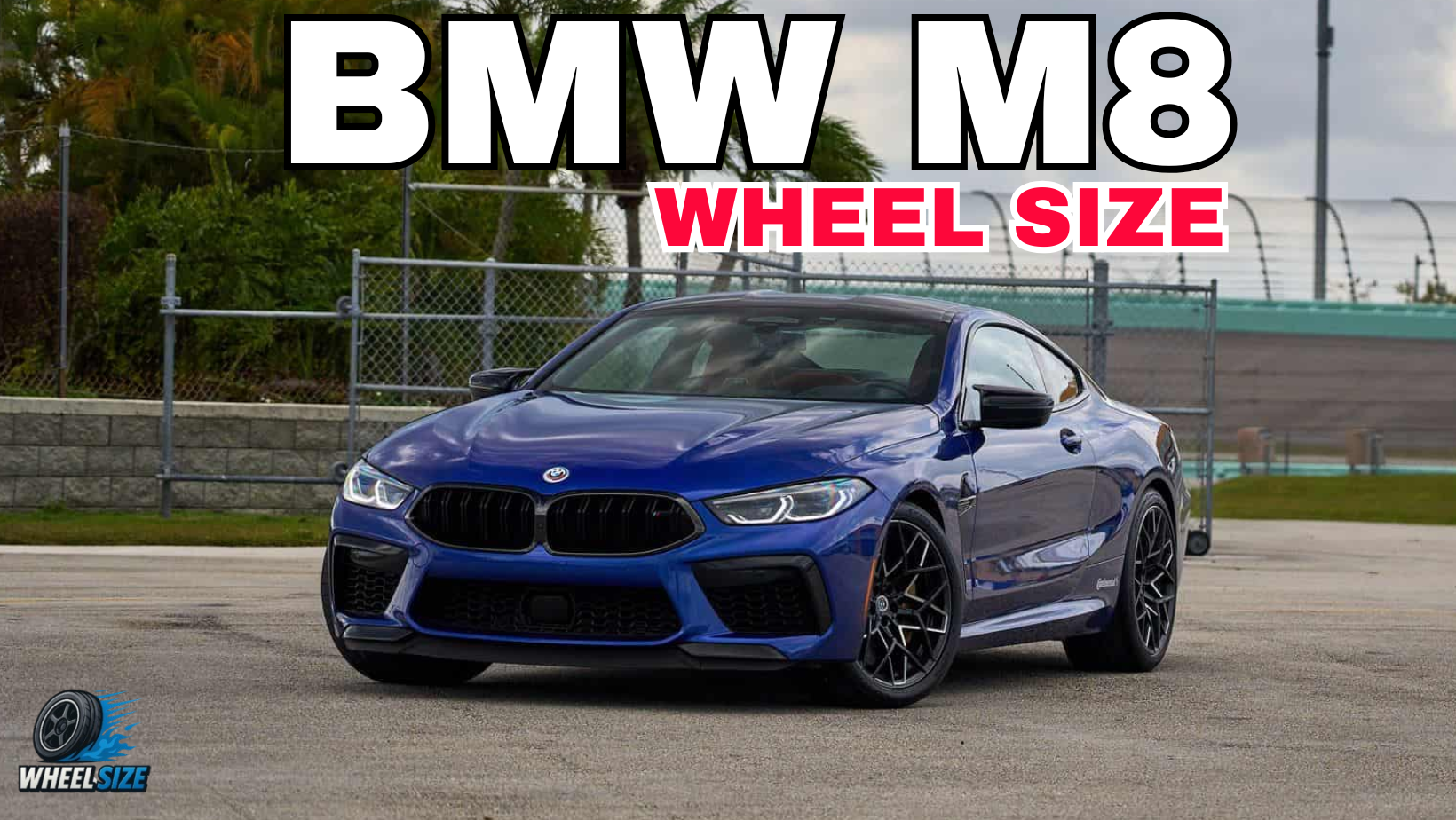
The BMW M8, a fusion of raw power and opulent design, represents the pinnacle of performance. Getting the wheel fitment just right is key; it affects not just how the car handles and stops, but also its visual appeal. Whether you’re looking at the coupe, convertible, or Gran Coupe, each variant requires precise specifications when you’re swapping out or upgrading wheels. The right combination of bolt pattern, center bore, rim size, and tire is essential for peak driving performance and safety. This guide provides the necessary information for all M8 generations, from 2019 to 2026, assisting owners and enthusiasts in making the best choices for both OEM and aftermarket wheel options.
BMW M8 Generations Overview
The BMW M8 has undergone design and engineering advancements, yet its M-performance heritage remains intact. The inaugural generation (F91/F92/F93, 2019–2022) established the benchmark, achieving an ideal equilibrium of power, luxury, and assertive aesthetics. The subsequent, revised iteration (2022–2026) incorporated nuanced design updates, enhanced braking systems, and marginally broader wheel selections to facilitate performance improvements. Each generation offers various body configurations, encompassing the coupe, convertible, and Gran Coupe, which subsequently influences wheel and tire selections. A comprehensive understanding of these distinctions is crucial for the accurate selection of compatible wheels, given that specifications such as bolt pattern, offset, and tire dimensions exhibit minor variations across generations, while preserving the quintessential M8 driving experience.
BMW M8 Wheel Fitment Specifications
BMW M8 F91/F92/F93 (2019–2022)
For the 2019–2022 M8, wheel fitment integrates precision engineering with performance characteristics. The bolt pattern, or PCD, is 5×112, and the center bore, or hub bore, measures 66.6 mm, guaranteeing a snug, hub-centric fit. Suggested rim sizes vary, from 20×9 inches up front to 20×10 inches at the rear, with offsets of ET 25–35 mm for the front and ET 30–40 mm for the rear. Stock tire sizes are 245/35ZR20 in front and 285/35ZR20 in back, though aftermarket options allow for width adjustments within safe parameters. Wheel fasteners utilize M14x1.25 lug bolts, torqued to 140 Nm. When upgrading wheels, owners should factor in brake clearance and suspension to preserve peak handling performance.
| Model Year | Hub Bore (mm) | Bolt Pattern | Thread Size | Front Tire | Rear Tire | Front Rim | Rear Rim | Offset Range (mm) | Tire Pressure (bar) |
|---|---|---|---|---|---|---|---|---|---|
| 2019 | 66.6 | 5×112 | M14 × 1.25 | 275/35ZR20 102Y | 285/35ZR20 104Y | 9.5Jx20 ET28 | 10.5Jx20 ET28 | 26–30 | 2.4 / 2.6 |
| 2020 | 66.6 | 5×112 | M14 × 1.25 | 275/35ZR20 102Y | 285/35ZR20 104Y | 9.5Jx20 ET28 | 10.5Jx20 ET28 | 26–30 | 2.4 / 2.6 |
| 2021 | 66.6 | 5×112 | M14 × 1.25 | 275/35ZR20 102Y | 285/35ZR20 104Y | 9.5Jx20 ET28 | 10.5Jx20 ET28 | 26–30 | 2.4 / 2.6 |
| 2022 | 66.6 | 5×112 | M14 × 1.25 | 275/35ZR20 102Y | 285/35ZR20 104Y | 9.5Jx20 ET28 | 10.5Jx20 ET28 | 26–30 | 2.4 / 2.6 |
BMW M8 F91/F92/F93 Facelift (2022–2027)
The facelifted M8, produced from 2022 to 2027, retains the core elements while incorporating subtle improvements in braking and wheel design. Its bolt pattern (PCD) is still 5×112, with a center bore of 66.6 mm. Recommended rim sizes are 20×9 inches in front and 20×10 inches in back. Some trims, however, can handle 21-inch wheels, with offsets ranging from ET 25–35 mm in front and ET 30–40 mm in the rear. The original equipment manufacturer (OEM) tire sizes are 245/35ZR20 in front and 285/35ZR20 in the rear, balancing performance and comfort. The wheel fasteners are M14x1.25 lug bolts, tightened to 140 Nm. Correct fitment is crucial for effective braking and vehicle stability, especially when using performance-focused wheels.
| Model Year | Hub Bore (mm) | Bolt Pattern | Thread Size | Front Tire | Rear Tire | Front Rim | Rear Rim | Offset Range (mm) | Tire Pressure (bar) |
|---|---|---|---|---|---|---|---|---|---|
| 2022 | 66.6 | 5×112 | M14 × 1.25 | 275/35ZR20 102Y | 285/35ZR20 104Y | 9.5Jx20 ET28 | 10.5Jx20 ET28 | 26–30 | 2.4 / 2.6 |
| 2023 | 66.6 | 5×112 | M14 × 1.25 | 275/35ZR20 102Y | 285/35ZR20 104Y | 9.5Jx20 ET28 | 10.5Jx20 ET28 | 26–30 | 2.4 / 2.6 |
| 2024 | 66.6 | 5×112 | M14 × 1.25 | 275/35ZR20 102Y | 285/35ZR20 104Y | 9.5Jx20 ET28 | 10.5Jx20 ET28 | 26–30 | 2.4 / 2.6 |
| 2025 | 66.6 | 5×112 | M14 × 1.25 | 275/35ZR20 102Y | 285/35ZR20 104Y | 9.5Jx20 ET28 | 10.5Jx20 ET28 | 26–30 | 2.4 / 2.6 |
| 2026 | 66.6 | 5×112 | M14 × 1.25 | 275/35ZR20 102Y | 285/35ZR20 104Y | 9.5Jx20 ET28 | 10.5Jx20 ET28 | 26–30 | 2.4 / 2.6 |
| 2027 | 66.6 | 5×112 | M14 × 1.25 | 275/35ZR20 102Y | 285/35ZR20 104Y | 9.5Jx20 ET28 | 10.5Jx20 ET28 | 26–30 | 2.4 / 2.6 |
BMW M8 Wheel Fitment Considerations
Selecting wheels for an M8 involves weighing performance, appearance, and safety. The material of the wheel plays a role in handling; forged or lightweight aluminum choices can reduce unsprung weight, leading to better response. Staggered setups are frequently used—wider rear wheels boost traction, while the front wheels maintain steering precision.
Brake clearance is paramount, particularly when dealing with M Performance brakes. Suspension height, camber settings, and the use of spacers can all affect how well the wheels fit and how the car looks. Moreover, the wheels need to work with TPMS sensors and have the right offset to prevent any rubbing or handling problems. Choosing wheels that meet the right specifications guarantees the car performs as it should, while still allowing for some personal touches without sacrificing safety.
Suggested Wheel & Tire Pairings
If you’re replacing OEM wheels, it’s best to stick with BMW’s recommended rim sizes, offsets, and tires to keep the warranty intact and maintain optimal performance. Common aftermarket choices include wider rear tires for better grip or slightly larger diameters for a more aggressive aesthetic. Performance-oriented setups frequently feature lightweight forged wheels, typically 20–21 inches in diameter, combined with ultra-high-performance tires.
Daily drivers often lean toward setups that prioritize comfort and ride quality, often sticking with OEM-style alloys. Those looking for a more aggressive look might experiment with a bit of negative camber or spacers, always mindful of brake clearance and how the wheel hub fits. No matter the approach, sticking to the correct bolt pattern (5×112), center bore (66.6 mm), and M14x1.25 lug bolts is key to keeping things safe and stable on the road.
Conclusion
Getting the right wheels for your BMW M8 is crucial for performance, safety, and, let’s face it, style. Whether you’re looking at the 2019–2022 models or the facelifted 2022–2026 versions, the specs are largely the same, but you still need to pay attention to details like rim size, offset, and tire selection. Using the right bolt pattern (5×112), center bore (66.6 mm), the recommended rim sizes and offsets, tire sizes, and M14x1.25 lug bolts will help maintain the car’s handling. Whether you’re upgrading for the track or just want to look good, this guide should help M8 owners make smart choices that improve the driving experience without sacrificing reliability.

Post Comment