Dodge Ram 3500 Bolt Pattern, Tire Size, Rim Size, Center Bore, and Offsets
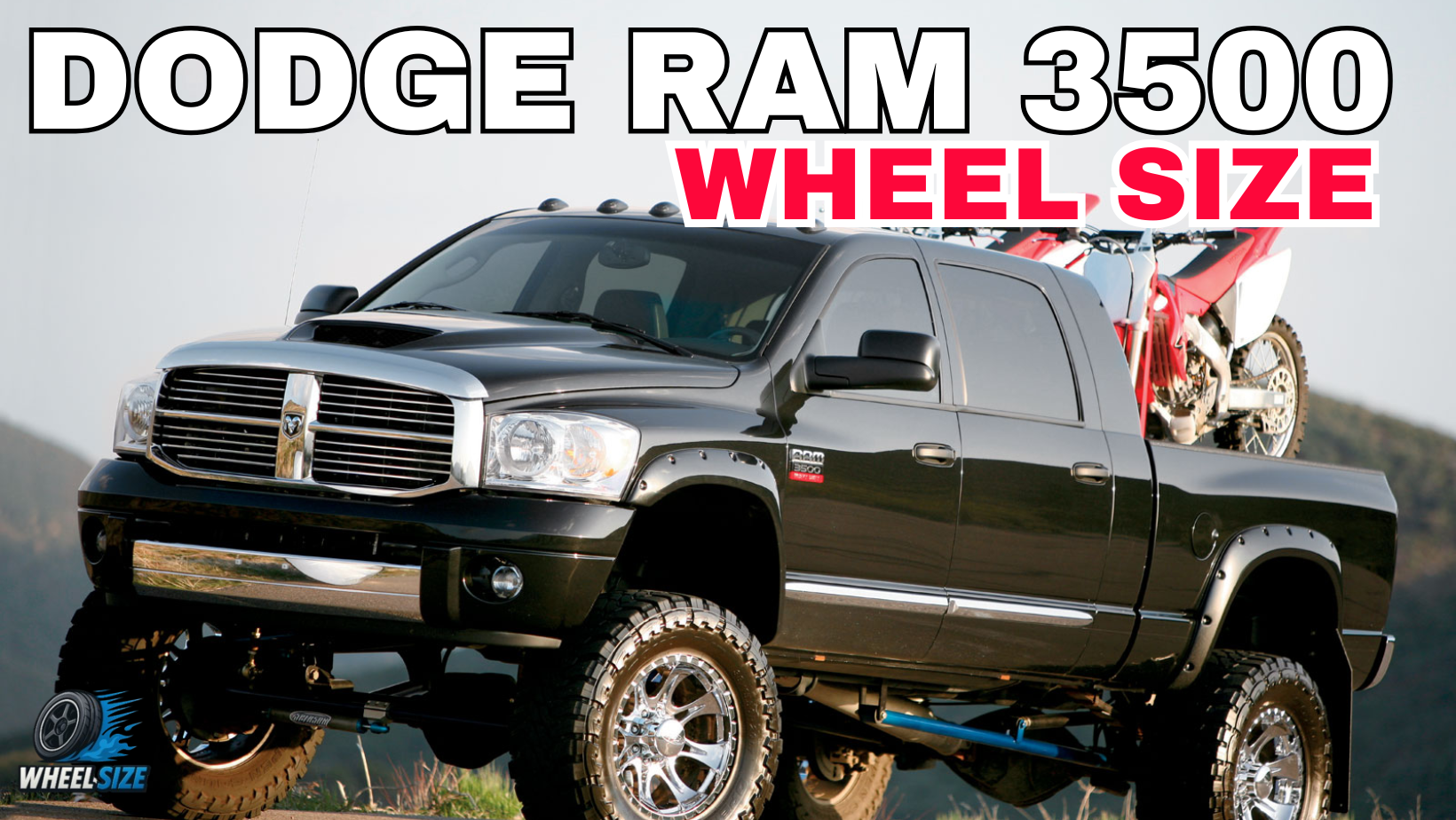
The Dodge Ram 3500 has built a reputation for power, durability, and towing strength. Whether you’re upgrading your truck’s look or improving performance, understanding wheel fitment is essential. Proper wheel and tire combinations enhance ride comfort, handling, and even fuel efficiency. This guide breaks down wheel fitment specifications for every Dodge Ram 3500 generation—from 1994 to 2010—covering bolt patterns, offsets, center bores, and compatible tire sizes. Whether you’re restoring an older BR/BE model or customizing your 2010 DS/DJ, this complete fitment guide will help you make informed decisions that ensure safety, style, and performance.
Understanding Wheel Fitment
Wheel fitment refers to how well a wheel fits your truck’s hub, brakes, and suspension. It includes measurements like bolt pattern, offset, and center bore. Getting these dimensions right ensures your wheels mount securely and perform correctly. Incorrect fitment can cause vibration, uneven tire wear, or even safety issues when towing or off-roading.
Understanding a few key terms helps when choosing wheels.
- Bolt Pattern: The number of lug holes and distance between them (e.g., 8×165.1 mm).
- Offset: The distance between the wheel’s centerline and mounting surface.
- Center Bore: The hole that fits over the hub.
- Backspacing: How far the wheel sits inward toward the suspension.
The Ram 3500 is designed for heavy loads and towing. Correct wheel fitment ensures that weight is distributed properly across all components. Poor fitment can stress the wheel bearings, affect steering, and cause rubbing issues when turning. For performance, safety, and aesthetics, always match wheel specifications to your generation’s requirements.
Dodge Ram 3500 BR/BE [1994 – 2002] Wheel Fitment
The 1994–2002 Dodge Ram 3500 uses an 8×165.1 mm (8×6.5”) bolt pattern with a hub bore of 121.3 mm. This pattern became a heavy-duty standard and is shared by many older trucks. When fitting aftermarket wheels, ensure proper hub-centric rings or adapters are used to maintain smooth rotation and prevent vibration.
Factory wheels were typically 16×6.5” to 17×8” with offsets around +15 to +20 mm. Staying close to these specs helps preserve steering geometry. If you’re upgrading to wider or larger wheels, a slight negative offset can create a stronger stance without clearance problems.
For stock suspensions, 245/75R16 and 265/75R16 were common tire sizes. Those installing lift kits can upgrade to 285/75R16 or 315/70R17, offering improved ground clearance and a rugged look while maintaining drivability.
Dodge Ram 3500 DR/DH [2003 – 2005] Wheel Fitment
This generation retained the 8×165.1 mm bolt pattern but introduced minor hub and brake updates. The hub bore remained around 121 mm, making some wheel interchangeability possible with previous models. Always double-check the load rating when choosing aftermarket wheels.
OEM wheel sizes ranged from 17×8” to 18×8” with offsets between +10 and +20 mm. If you prefer a more aggressive appearance, a 0 to -12 mm offset works well for lifted setups. Stick to load-rated options designed for heavy-duty towing or hauling.
Common stock tires included 265/70R17 and 285/70R17. Lifted trucks can fit 35×12.50R17 tires with minor trimming or aftermarket fender flares. For highway driving, choose a balanced all-terrain tire to maintain comfort and control.
Dodge Ram 3500 DR/DH Facelift [2006 – 2009] Wheel Fitment
From 2006 to 2009, the Ram 3500 facelift kept its 8×165.1 mm bolt pattern but featured upgraded brakes and suspension geometry. This may affect clearance when switching to aftermarket wheels, so ensure the offset and backspacing don’t interfere with calipers.
Factory wheel sizes ranged from 17×8” to 20×8”, with offsets around +15 mm. For aftermarket wheels, -12 mm to +18 mm provides a balanced fit for both stock and lifted trucks. Alloy wheels improve aesthetics, while steel options excel in durability for towing.
OEM tires typically included 265/70R17 and 275/70R18. For off-road enthusiasts, 35×12.50R18 fits nicely on mild lifts. Larger tires enhance grip but may require minor fender adjustments.
5. Dodge Ram 3500 DS/DJ [2010] Wheel Fitment
The 2010 Ram 3500 marked a transition to a newer 8×200 mm bolt pattern, differentiating it from older Dodge Rams. The hub bore expanded to 124.1 mm, and wheel load ratings improved to handle increased towing capacities. Always confirm bolt compatibility before upgrading.
Factory wheel sizes included 17×8” and 18×8” setups with offsets ranging from +10 to +20 mm. For custom looks or lifted suspensions, offsets around 0 mm work well. Keep in mind that correct backspacing prevents rubbing during full steering lock.
Standard tire sizes were 265/70R17 and 275/70R18. For off-road performance, you can upgrade to 35×12.50R18 or 37×12.50R17 with a lift. Always verify that your suspension and gearing can handle larger tires effectively.
Wheel Fitment Tips for Dodge Ram 3500 Owners
Understanding Offsets and Backspacing
Offset affects how far your wheels stick out or tuck in. A positive offset keeps wheels closer to the truck, while a negative offset pushes them outward for a wider stance. Backspacing determines clearance from the suspension and brakes—key for lifted or lowered setups.
Choosing Between OEM and Aftermarket Wheels
OEM wheels maintain the manufacturer’s balance of safety and comfort. Aftermarket wheels, however, offer more styles and fitment flexibility. For heavy towing, always choose load-rated wheels that match or exceed factory specifications to avoid structural stress.
Lift Kits, Leveling Kits, and Tire Clearance
Installing a lift or leveling kit changes the truck’s geometry. A mild 2–3” lift allows for larger tires without rubbing. Higher lifts require matching wheel offsets and extended control arms to maintain correct alignment and suspension performance.
FAQ‘s
Can I fit Ram 2500 wheels on a Ram 3500?
Yes, depending on the year. Older models (pre-2010) share the 8×165.1 mm bolt pattern, but always check hub bore and offset differences.
What’s the largest tire I can fit without trimming?
Most stock setups handle up to 33-inch tires. For 35-inch or larger, minor trimming or a small lift may be required.
Are wheel spacers safe for towing?
High-quality hub-centric spacers are generally safe if torqued correctly and used with proper studs. Avoid cheap spacers that compromise strength.
Do aftermarket wheels affect ride quality?
Yes. Larger wheels with low-profile tires can stiffen the ride. Balancing wheel size and tire profile ensures comfort and control.
Conclusion
The Dodge Ram 3500 has evolved through four key generations, each with distinct wheel fitment requirements. From the 8×165.1 mm bolt pattern of early BR/BE models to the modern 8×200 mm setup in 2010, proper wheel selection ensures safety, performance, and a great look. Always measure twice, verify offset and bore specs, and consider your truck’s intended use—whether it’s heavy towing, off-roading, or everyday driving. The right wheel fitment brings out the full strength and style of your Ram 3500.

Post Comment